
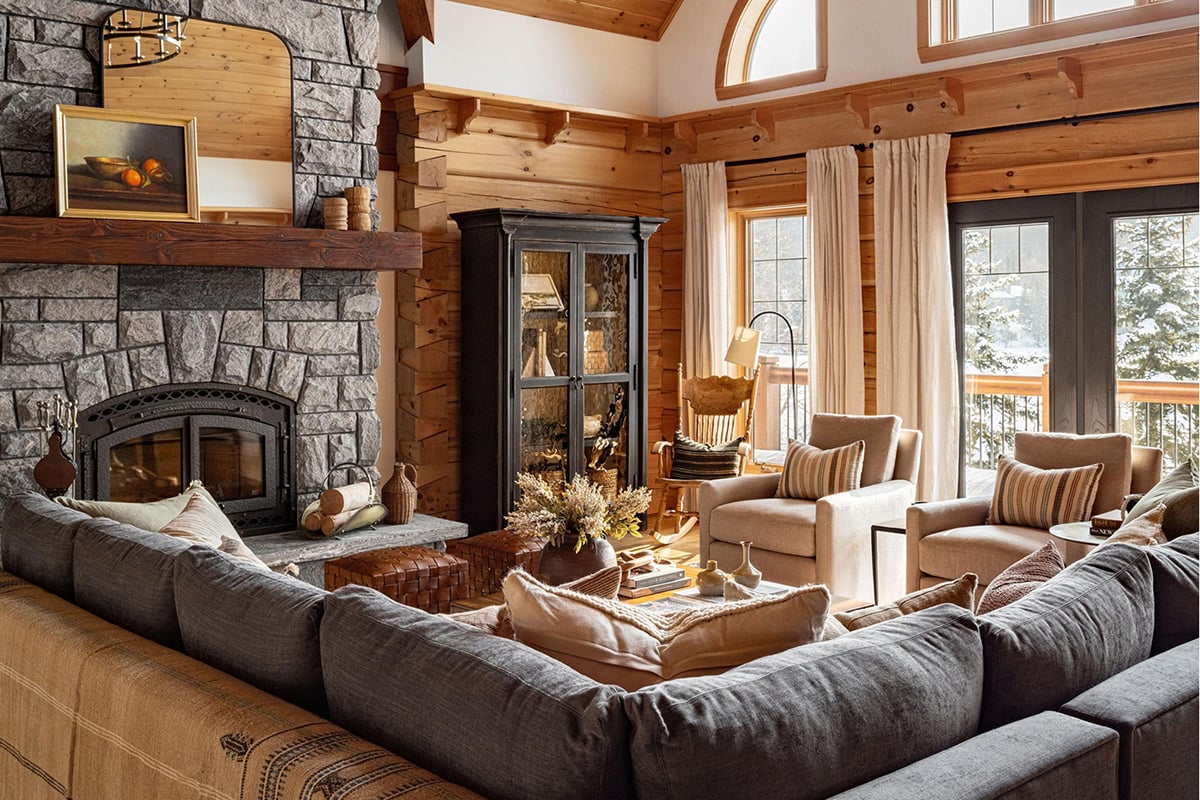
Log Home Decorating Ideas: A Designer’s Inside Guide
By Interior Designer TRACY SVENDSEN | Published on July 07, 2023 | Updated on August 04, 2026 |
Log home interiors present a design challenge that most decorating guides underestimate — the wood itself is so dominant that every other decision in the room either works with it or fights against it. Getting that relationship right is the foundation of everything else.
I spent 13 years as a partner in a handcrafted log home company, working with clients across Canada and the United States on interiors ranging from traditional wilderness retreats to contemporary log homes with clean-lined, modern aesthetics. That experience gave me a specific perspective on what works in these spaces and what consistently doesn’t — and most of what doesn’t work comes from treating a log home interior the same way you’d treat any other room.
The ideas in this guide reflect that perspective: how to work with the wood rather than against it, how to balance the rustic character of the architecture with genuine comfort and contemporary sensibility, and how to create a log home interior that feels personal rather than generic. Feature image courtesy of West of Main Design
Key Takeaways: Log Home Decorating Ideas
- Work with the wood rather than against it — every furniture, textile, and accessory decision should complement the warm amber and honey tones of the timber rather than competing with them.
- Limit natural materials to four or five types — wood, stone, linen, leather, and a natural fiber. The log walls provide enough visual complexity that additional materials quickly become too much.
- Earth tones drawn from the surrounding landscape are the most reliable palette — warm browns, muted greens, deep blues, and sandy neutrals all share the warm undertones of the timber.
- Layer ambient, task, and accent lighting with dimmer switches — the rough texture of log walls responds to directional light in a way that flat painted surfaces never do.
- The most genuine log home interiors look accumulated over time — travel objects, inherited pieces, and personally collected accessories give a log home the irreplaceable quality that new furniture alone never achieves.

Log Home Decorating Ideas
Feature image courtesy of Kara Childress Design
1. Working With the Wood – The Foundation of Log Home Design
The most common mistake in log home decorating is treating the wood as a backdrop — as if it were simply a wall finish to decorate against. It isn’t. In a handcrafted log home, the wood is the architecture, the texture, the color palette, and the dominant visual element simultaneously. Every other decision in the room needs to acknowledge that reality. Every other decision in the room needs to acknowledge that reality — whether you’re designing a full log cabin interior from scratch or updating an existing space.
In my experience designing log home interiors, the spaces that work best are the ones where the furniture, textiles, and accessories are chosen in direct conversation with the wood rather than independently of it. The rough-hewn ceiling beams, the exposed log walls, and the natural variation in the timber’s color and grain are the room’s strongest design elements — the decorating decisions should amplify them rather than compete.
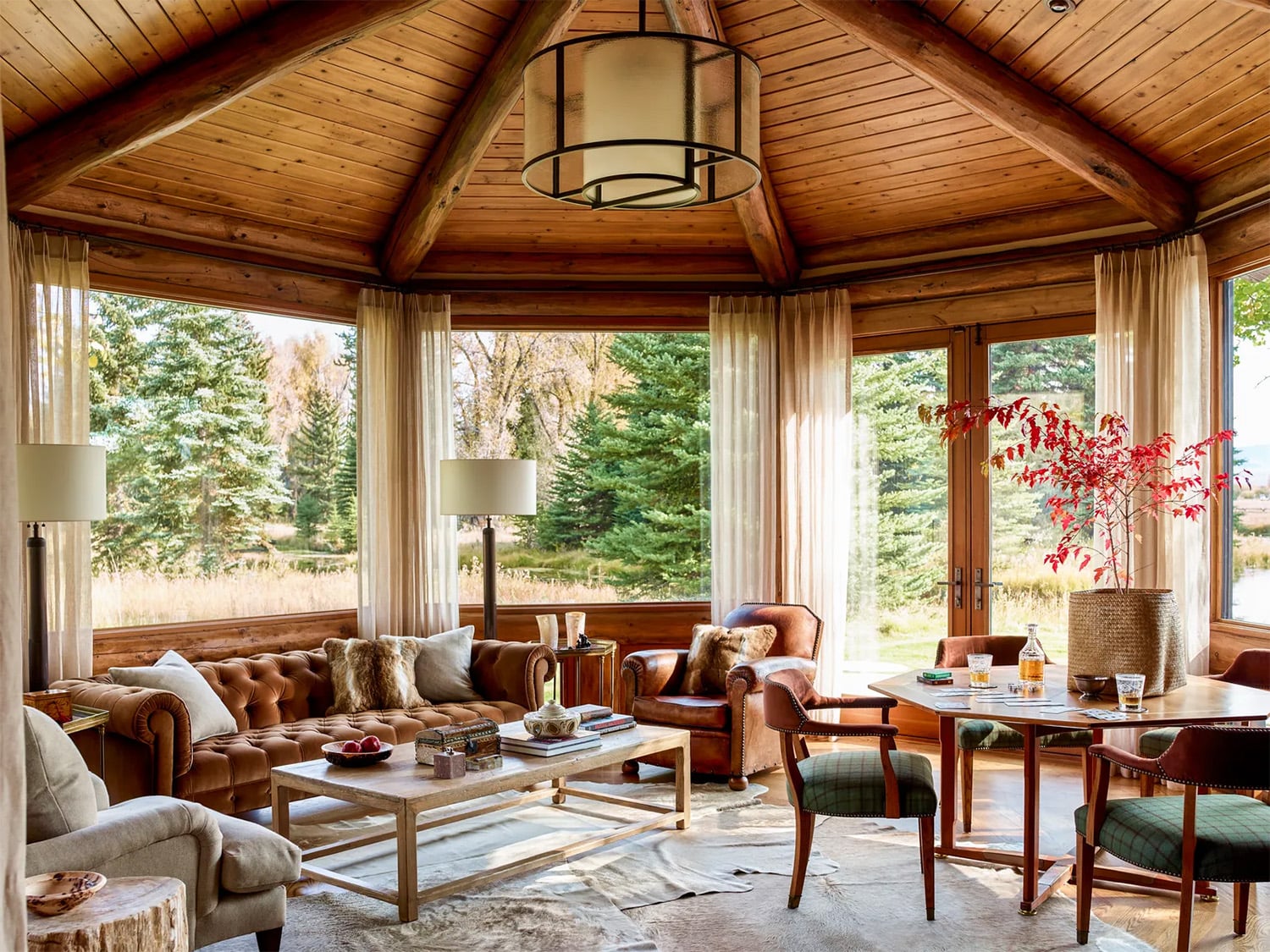
Handcrafted Log Home with Wood Vaulted Ceiling
Feature image courtesy of WRJ Design
The living room below clearly demonstrates balance. A roaring stone fireplace and rough-hewn ceiling beams establish the rustic architectural character, while the furniture choices — a caramel leather sofa, a rustic wood coffee table, and two modern gray velvet accent chairs with leather detailing — bridge the traditional log home aesthetic with a genuinely contemporary sensibility. The modern earth-tone area rug and iron chandelier above complete the composition, with forest views through the covered deck beyond, reinforcing the connection to the landscape outside. Nothing in the room fights the wood — everything either echoes or complements it.
Designer Tip: I always recommend choosing furniture in warm caramel, tan, or earth tones for a log home interior rather than cool grays or whites — the warm undertones in leather, linen, and natural wood furniture connect naturally to the amber and honey tones in the logs, while cool-toned pieces create a visual tension that’s difficult to resolve without extensive layering.

Warm & Inviting Rustic Living Room with Exposed Beams, Hardwood Flooring & Roaring Fireplace
Image Courtesy of Pearson Design Group
2. Natural Materials in a Log Home Interior
In a log home, natural materials aren’t a decorating choice — they’re the starting point. The rough-hewn log walls, the dark wood floors, the exposed ceiling beams are already doing the material work before a single piece of furniture arrives. The decorating decisions that follow should add to that foundation rather than introduce competing materials that pull the eye away from the architecture. Stone is the most natural companion to wood in these spaces — a stone fireplace, stone accent wall, or natural stone flooring adds the elemental contrast that reinforces rather than competes with the logs. Live-edge furniture and wall treatments, like wood paneling in adjacent rooms, extend the natural material palette consistently throughout the home.
These two spaces, designed by Jake Arnold, feature natural materials layered with genuine restraint. The living room corner uses the rough-hewn log walls with chinking as the dominant texture — a tan linen sofa, a wood console styled with rustic pottery, stoneware, and a vase of branches, and a large tree in a rustic pot in the corner all staying within the same warm, organic material palette. Wood-framed windows frame the forest view beyond, bringing the exterior landscape directly into the room’s visual composition. The hallway carries the same material language throughout — dark wood floors, rough-hewn ceiling beams, a textured area rug, a wicker basket, and floor-to-ceiling tan linen curtains that soften the perimeter without introducing any color that doesn’t belong in the space.
The consistency between these two spaces is what makes them work — every surface and object shares the same warm, natural material palette. Nothing competes with the logs, and nothing ignores them.
Designer Tip: I recommend limiting a log home interior to a maximum of four or five natural materials — wood, stone, linen, leather, and a natural fiber like jute or wool. The richness of the log walls themselves provides enough visual complexity that additional materials quickly become too much. Restraint in material selection is what allows the architecture to remain the primary design statement throughout the home.


Log Home Designed by Jake Arnold
Image Courtesy of Jake Arnold Design
3. Furniture and Fabric Selection for Log Home Interiors
Log home furniture works best when it bridges the rustic character of the architecture with genuine comfort — pieces that feel as considered as the building itself rather than simply placed within it. Linen, cotton, leather, and natural wool are the fabrics that suit log home interiors most naturally, connecting to the organic material palette of the logs without competing with them.
In this log home living room, the furniture choices do exactly that. A large gray linen sectional and two tan linen accent chairs anchor the seating zone on a large earth-tone area rug, while two woven leather ottomans in front of the natural stone fireplace and a warm wood square coffee table complete the material layering. Textural throw pillows and a throw blanket add the pattern and softness that prevent the neutral palette from feeling flat. Light wood flooring throughout connects the furniture arrangement to the home’s architectural materials.
Designer Tip: I recommend choosing one upholstered anchor piece — a sectional or sofa — in a solid neutral fabric and introducing pattern through the smaller pieces: throw pillows, an area rug, and accent chairs. In a log home interior, the logs themselves provide so much visual texture that patterned upholstery on large pieces quickly becomes too much.

Cozy Rustic Great Room
Image Courtesy of West of Main
The dining area in a log home benefits from the same material thinking as the living room — warm wood, natural stone, and upholstered pieces that bridge the rustic architecture with contemporary comfort. This handcrafted log home kitchen and dining area shows the modern approach at its most considered: light round log walls alongside dark wood cabinetry, white marble countertops, and a dark wood dining table with upholstered white chairs — the contrast between the traditional log construction and the contemporary interior finishes creating the tension that defines modern farmhouse log home design. A natural stone fireplace anchors the space and connects the contemporary interior to the building’s elemental material palette.
Accessories complete the layering — wooden bowls, woven baskets, pottery, candles, and soft lighting add the personal, collected quality that the Scandinavian concept of hygge describes: warmth and conviviality created through material richness and thoughtful detail rather than decoration for its own sake.

Log Home Decorating Ideas
Images Courtesy of Jacobs Interiors
4. Color Palettes for Log Home Interiors
Color selection in a log home interior starts with the wood itself — the amber, honey, and warm brown tones of the logs set the palette before any paint or textile decision is made. Working with those undertones rather than against them is the foundation of every successful log home color scheme.
Earth tones — warm browns, muted greens, deep blues, and sandy neutrals — connect most naturally to the log home palette because they share the same warm undertones as the timber. Cooler colors like gray and white can work in a log home interior but require more careful handling — too much cool tone against warm timber creates a visual tension that’s difficult to resolve. Drawing color inspiration from the surrounding landscape and the changing seasons — the spring greens, the autumn ochres, the deep winter blues — keeps the interior connected to the environment outside.
This bedroom demonstrates the earth tone palette at its most resolved. Rough-hewn timber walls, ceiling, and beams establish the warm material foundation, while a stone accent wall behind the leather headboard with dark wood trim adds the elemental contrast that grounds the space. Tan linen bedding, a velvet-upholstered accent chair, dark olive-green window treatments, and warm wood flooring complete the layered earth-tone palette — every color in the room traceable directly to the natural landscape outside.
Designer Tip: I recommend using dark olive green, deep forest green, or warm sage as the accent color in a log home interior rather than the brighter greens that work in other contexts — the muted, earthy quality of these tones connects to the timber palette in a way that brighter greens never quite achieve.

A Rustic Bedroom with Plenty of Texture
Images Courtesy of Pearson Design Group
Color in a log home doesn’t have to be restrained — and this handcrafted log home by Alfredo Paredes shows what happens when a bolder earth tone palette is applied with genuine confidence. Warm reds, yellows, oranges, browns, and tans in Southwestern-inspired upholstery and textiles on the games table chairs and console bring vivid color into the space without disrupting the warmth of the log walls behind them. A gallery wall combining black-and-white photography, landscape art, and Western art covers the handcrafted log wall — the varied frames and subject matter creating a collected, personal display that adds depth and character to the rough-hewn surface. The key is that every color present — the vivid oranges, the warm reds, the sandy tans — shares the same warm undertone as the timber itself. Nothing competes; everything connects.
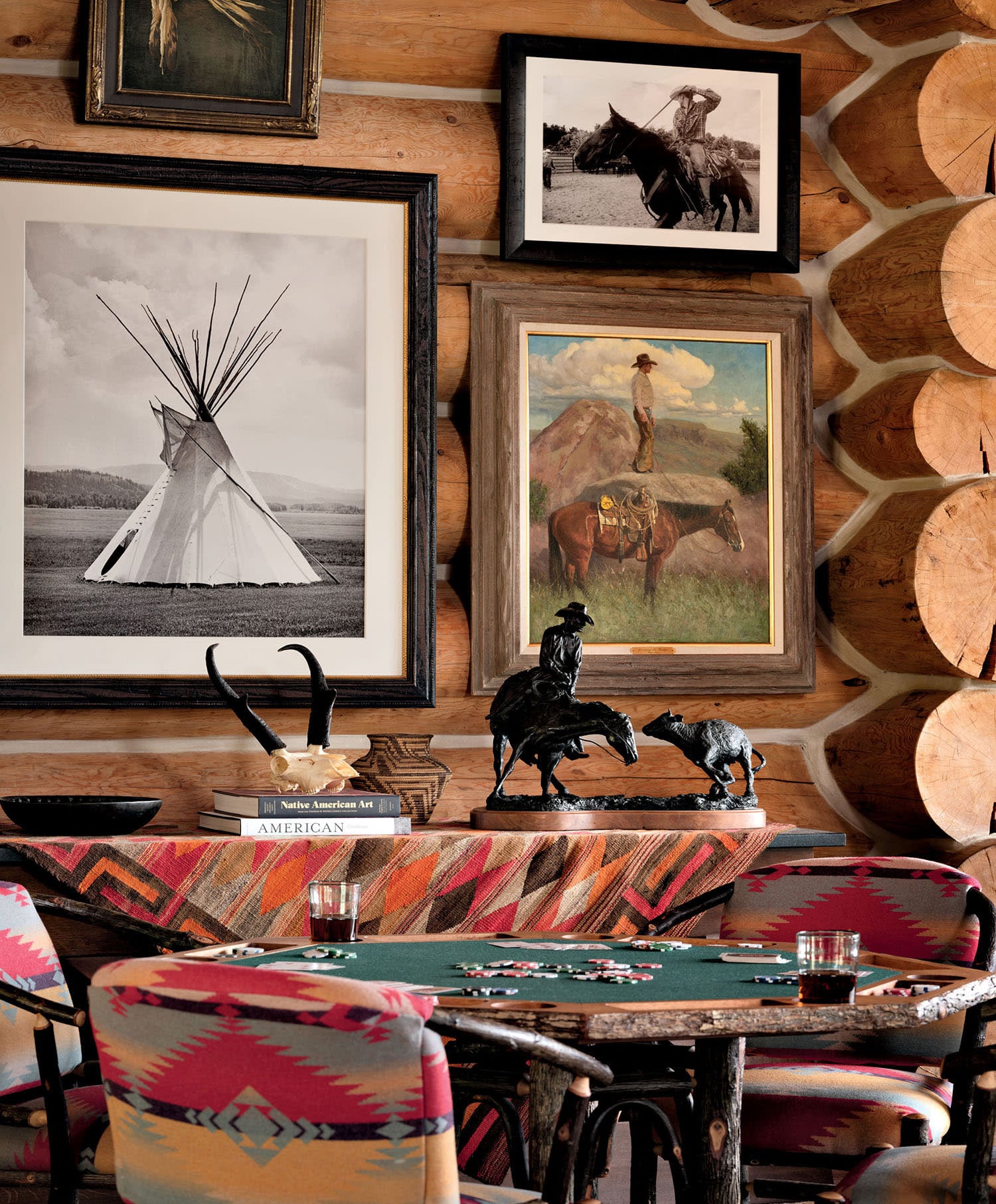
A Vibrant Southwestern Color Palette
Image Courtesy of Alfredo Parades
5. Bringing the Landscape Inside
Log homes have an inherent connection to the surrounding landscape — the building material itself came from the forest. Reinforcing that connection through botanical elements, branches, and organic objects extends the relationship between interior and exterior in a way that feels genuinely authentic rather than decorative.
This handcrafted log home living room captures that connection at its most considered. A massive, rounded natural stone fireplace with a rustic wood mantel anchors the space, while honey-toned, floor-to-ceiling sheer linen curtains frame the forest and mountain views beyond — the color palette of the entire room is derived directly from the landscape outside. A large rustic pot on the coffee table holds autumn branches that add verticality and bring warm orange and green tones into the room, and a tray of green moss on the table reinforces the botanical connection at a smaller scale. A caramel sofa, a dark olive green accent chair, and a Southwestern area rug in tan, black, white, and gray complete the earth-tone palette throughout.
For log homes with limited natural light, low-maintenance varieties like snake plants, pothos, and peace lilies suit the environment well — they add the organic presence of greenery without requiring the sun exposure that many flowering plants need. Botanical prints and leaf-patterned textiles extend the botanical direction into the textiles when living plants aren’t practical.
Designer Tip: I recommend using branches, moss, and seasonal botanical elements rather than conventional flower arrangements in a log home interior — cut branches from birch, olive, or eucalyptus placed in a large rustic vessel add the vertical organic element that potted plants rarely achieve, and they connect the interior directly to the specific landscape surrounding the home rather than introducing a generic floral arrangement.

Log Home Great Room | Jackson, Wyoming Design
Image courtesy of Architectural Digest
6. Rustic Bedding for a Log Home Bedroom
The bedroom in a log home should feel like the most restful room in the house — and bedding is where that quality is most directly achieved. Layering textures and patterns in earth tones, plaids, and natural fibers creates the warmth that a log home bedroom specifically calls for.
I recommend rustic bedding sets that honor the home’s material palette — plaids, houndstooth, and nature-inspired patterns in warm browns, greens, and creams suit log home interiors far better than solid colors or contemporary prints. Two collections I know well and recommend to clients are the Huntsman and Jackson sets — the Huntsman in a subtle brown-and-cream plaid with hints of green and burgundy, and the Jackson in a rich brown plaid that layers beautifully with a coverlet for added depth and texture. Both are available through their rustic bedding collection.
Designer Tip: I always recommend layering at least three bedding elements in a log home bedroom — a duvet or comforter as the base, a coverlet or quilt folded at the foot of the bed, and a generous selection of decorative pillows in complementary textures. The layering creates the abundant, inviting quality that makes a log home bedroom feel genuinely considered rather than simply furnished.

Huntsman Comforter Set

Jackson Plaid Comforter Set
7. Lighting Ideas for Log Homes
Lighting in a log home does more than illuminate — it accentuates the textures of the timber, stone, and other natural materials throughout the space. The rough-hewn surface of log walls catches directional light in a way that flat painted walls never do, and a well-considered lighting scheme brings that quality to life after dark in a way that ambient overhead lighting alone never achieves.
The most effective log home lighting combines three distinct sources — ambient lighting for overall illumination, accent lighting to highlight the architectural texture of the logs and stone, and task lighting for functional areas. Dimmer switches on every circuit are worth specifying from the start — the ability to adjust light levels between daytime functionality and evening atmosphere is particularly valuable in a log home, where the warm timber tones respond dramatically to changes in light intensity.
This modern handcrafted log home shows contemporary lighting used with genuine confidence alongside traditional log construction. A large sculptural blown-and-dipped glass pendant light serves as the room’s primary statement fixture — its contemporary form sitting comfortably against the stone fireplace and log walls behind it. Artwork lighting above the contemporary pieces, a console lamp, and candles on the fireplace mantel layer the light sources at different heights and intensities throughout the space.
Designer Tip: I always specify wrought iron, aged brass, or natural wood fixtures in a log home interior — the warm metal tones connect naturally to the amber and honey tones of the timber. In a more contemporary log home like this one, a single sculptural statement fixture in glass or brushed metal can bridge the traditional architecture and modern interior without either element compromising the other.

Log Cabin Mountain Getaway in Whistler, BC
Image Courtesy of Architectural Digest
8. Artwork & Accessories
Artwork selection in a log home requires more thought than in a conventional interior — the rough-hewn log walls are already visually complex, and artwork that competes with that texture rather than complementing it tends to disappear into the background. Landscapes, wildlife, Western art, and nature-inspired photography all work naturally because they share the same visual language as the architecture.
This staircase landing shows artwork and accessories used with genuine regional specificity. Western and country-style artwork on the rough-hewn beam walls connects the interior directly to the home’s landscape and cultural context — the artwork feels like it belongs to this specific place rather than having been chosen generically. A large organic wood bowl with a floral arrangement adds a natural-material accent at the landing level, and Southwestern area rugs on the floors introduce the pattern and warmth that the stone accent wall and rough timber surfaces need to feel complete. Every element references the same rustic aesthetic without repeating it.
Designer Tip: I recommend choosing artwork for a log home based on regional and material connection rather than generic rustic themes — a landscape painting of the specific mountain range visible from the home’s windows, or photography of the local wildlife, carries an authenticity that generic wilderness prints never achieve. The more specific the artwork’s connection to the place, the more genuinely personal the interior feels.

Rustic Decorating Ideas: Rustic Area Rugs & Wildlife Art
Image Courtesy of Pearson Design Group
9. Log Home Kitchen Ideas
The kitchen in a log home presents a specific design opportunity — the rough-hewn walls, exposed ceiling beams, and natural stone that define the rest of the home can continue seamlessly into the kitchen, or the kitchen can take a more contemporary direction that contrasts deliberately with the traditional log construction.
This rustic kitchen by Pearson Design Group stays firmly within the natural material palette throughout. Rough-hewn wood walls and ceiling beams establish the architectural character; a stone feature wall in the entryway adds elemental material contrast; and warm wood flooring and a wood-base kitchen island with white countertops provide the functional foundation. The breakfast nook with built-in banquette seating, abundant pillows, and vintage fishing artwork above creates the most personal moment in the kitchen — a corner that feels genuinely lived-in rather than simply designed. Fresh greenery on the countertops adds the botanical connection that bridges the kitchen to the natural landscape outside.
Designer Tip: I recommend a built-in banquette over freestanding dining chairs in a log home kitchen wherever the layout allows — the built-in quality suits the architectural permanence of the log construction, and the additional seating it provides makes the kitchen the natural gathering point of the home that log home kitchens traditionally have been.

Log Home Kitchen
Image courtesy of Pearson Design Group
10. Statement Pieces That Anchor a Log Home Interior
Every room in a log home benefits from a dominant element that organizes the space around it — a stone fireplace, a distinctive light fixture, a large-scale artwork, or an architectural feature that gives the eye an immediate point of reference. Without that anchor, the room tends to feel unsettled regardless of how carefully the individual pieces are chosen.
These two spaces in the same modern handcrafted log home show statement pieces working at different scales simultaneously. The kitchen’s dark wood range hood with brass framing and vertical brass accents is the room’s clear focal point — its scale and material specificity giving the kitchen its distinctive character above the light oak island, dark wood cabinets, and white marble countertops. The living room takes a different approach — a large natural stone fireplace anchors the seating area while a rustic antler chandelier above provides the secondary statement that connects the contemporary furniture and Southwestern area rug in shades of brown, gray, and white to the traditional log home aesthetic. The two statement pieces work together across the open plan rather than competing.
Designer Tip: I recommend identifying the statement piece for each room before purchasing any furniture — the anchor element sets the scale and material direction for every subsequent decision, either supporting or contradicting them. In a dining room a large farmhouse table or statement chandelier serves this purpose; in a bedroom a distinctive headboard or large-scale artwork above the bed. The statement piece comes first; everything else follows.


Creating a Focal Point
Image courtesy of Jacobs Interiors
11. Layered Textures
Texture layering in a log home interior does the work that color does in other design styles — it creates depth, warmth, and visual interest within a restrained, natural palette. The rough-hewn log walls already provide substantial texture at the architectural level; the furnishings and textiles need to respond to that rather than ignore it.
This handcrafted log home living room shows texture layering done with genuine material variety. A light gray linen sofa with faux fur throw pillows, a textured area rug, a dark gray velvet contemporary accent chair, and window ledge seating with upholstery and throw pillows layer soft materials at every level of the room. A branch display in a vase on the rustic wood coffee table adds the organic vertical element that connects the interior textile layering back to the natural material palette of the log walls above and the light wood flooring below. Each material — linen, faux fur, velvet, wool, and natural fiber — reads differently under light, which is what gives the room its depth within a single neutral color palette.
Designer Tip: I recommend including at least one faux fur or chunky knit textile in a log home living room — the contrast between the rough, aged texture of the log walls and the soft, plush quality of faux fur creates exactly the material tension that makes a log home interior feel genuinely warm rather than simply rustic.

Log Cabin Mountain Getaway in Whistler, BC
Image Courtesy of Architectural Digest
12. The Personal Details that Define a Log Home
The log homes that feel most genuine are the ones that look accumulated over time rather than decorated in a single session — vintage pieces alongside new ones, personal objects alongside designed ones, and the specific combination of things that could only belong to the people who live there.
This rustic living room captures that quality throughout. Rustic wood-paneled walls and a high, vaulted wood ceiling establish the architectural character, while the sofa and accent chairs, dressed with mixed botanical and plaid-patterned pillows, introduce the layered, personal textile quality that makes the seating feel genuinely inhabited. The coffee table holds a vintage candle, a decorative bowl, and books — the kind of specific, unpretentious arrangement that happens naturally in a room that’s actually used. Behind the sofa, a console displays antler lamps, glassware and decanters on a silver tray, and candles — the mix of rustic and refined that defines a log home interior at its most personal.
Family photographs, travel mementos, heirlooms, and objects collected over years belong on shelves and mantels throughout a log home — the personal accumulation is what separates a genuinely warm interior from a well-decorated one.
Designer Tip: I recommend introducing one genuinely vintage or antique piece into every room of a log home — a piece that has actual age and history rather than a manufactured rustic finish. The authenticity of a single genuinely old object elevates everything around it in a way that new rustic-styled pieces alone never achieve.


Modern Approach to Log Home Living
Images Courtesy of Pearson Design Group
13. Using White and Light Tones to Contrast Log Walls
One of the most effective approaches in a log home interior is introducing white or light tones as a deliberate counterpoint to the warmth of the timber — the contrast prevents the log walls from dominating the space and creates the light, airy quality that log homes can struggle to achieve without it.
This bedroom designed by Jacobs Interiors shows the contrast approach at its most refined. Round handcrafted log walls are offset by white built-in shelving with a limewash finish behind the bed — the white surface receding against the warm timber and creating a clean architectural backdrop for the upholstered white headboard and white bedding. Gray, tan, and black-striped pillows introduce a pattern layer that prevents the white-and-wood combination from feeling too stark, while dark wood nightstands and a soft white-and-gray area rug complete the carefully balanced palette. Large windows and doors leading to a private deck flood the room with natural light — the exterior landscape reinforcing the connection between the white interior and the natural world outside.
Designer Tip: I recommend limewash or white-painted built-ins as the most effective way to introduce light tones into a log home interior — the slightly textured, matte quality of limewash complements the rough organic surface of the logs far better than a flat painted finish, which can look too polished and clinical against the natural timber.


Neutral Furniture & Area Rug Lighting Up the Space Providing a Modern Approach to Log Home Living
Images Courtesy of Pearson Design Group
14. Creating Outdoor Living Spaces for Log Homes
The outdoor spaces surrounding a log home are as important as the interior — and the design principles that work inside translate directly outside. Natural materials, a connection to the landscape, and furniture suited to the site’s specific climate and exposure all apply equally to a covered deck or stone patio.
These two outdoor entertaining spaces show the range of directions available within the log home outdoor aesthetic. The first takes a strikingly modern approach — stone paver decking, large wood beams with stone bases, black metal railing, and a concrete fire pit at the center of a seating arrangement of black metal framed furniture with dark gray and pale gray upholstery. Southwestern throws and striped and solid pillows in black, gray, and white add the textile warmth that prevents the dark metal palette from feeling cold, while the mountain range views beyond the black metal railing frame the entire composition in the most dramatic possible backdrop. A black-and-gray dining table and chairs behind the seating area complete the outdoor room.
The second takes a warmer, more traditional direction — stone flooring, large wood beams, traditional wood railing, and wood chairs upholstered in soft yellow throughout the seating and dining areas. Abundant potted floral arrangements across the deck bring the color and botanical quality that the more restrained modern space achieves through views alone. Both approaches work because they commit fully to their own material and color direction rather than mixing signals.
Designer Tip: I recommend treating a covered log home deck as a genuine outdoor room rather than simply a transitional space — the same furniture scale, textile layering, and lighting considerations that apply indoors apply outside. A deck that’s furnished with the same intentionality as the interior becomes one of the most used spaces in the home regardless of the season.

Rustic Outdoor Area Ideas
Images Courtesy of Locati Architects

Rustic Outdoor Area Ideas
Images Courtesy of Locati Architects
Designing a Log Home That Feels Genuinely Yours
The log homes that stay with you — the ones that feel genuinely warm rather than simply decorated — share one quality: the decorating decisions work with the architecture rather than around it. The wood, the stone, the exposed beams, and the connection to the landscape outside are the design. Everything else is layered on top of that foundation with intention.
From my years working with handcrafted log home clients across Canada and the United States, the most common mistake I saw was treating a log home interior like any other decorating project. It isn’t. The material richness of the architecture sets parameters that reward working within them — and the interiors that honored those parameters consistently produced the most authentic, enduring results.
Whether you’re decorating a traditional wilderness retreat or a contemporary log home with clean-lined modern furnishings, the principles in this guide give you a framework for making decisions that suit the specific character of your home rather than a generic idea of what rustic living should look like.
Frequently Asked Questions About Log Home Decorating
How do you decorate a log home?
Decorating a log home starts with understanding that the architecture itself is the primary design element — the rough-hewn log walls, exposed ceiling beams, and natural timber surfaces set the material palette and visual tone before any furniture or accessory decision is made. The most effective approach is to work with the wood rather than against it, choosing furniture, textiles, and accessories that complement the warm amber and honey tones of the logs rather than competing with them. Begin by selecting a color palette drawn from the natural landscape surrounding the home — earthy browns, muted greens, deep blues, and warm neutrals all connect naturally to the timber palette. Layer natural materials throughout — stone, leather, linen, wool, and woven fiber — to add depth and texture without disrupting the organic quality of the architecture. Lighting is particularly important in a log home interior — the rough texture of the log walls responds dramatically to directional light, and a layered lighting scheme with dimmer switches transforms the space after dark in a way that flat overhead lighting never achieves. Finally personalize the space with collected objects, travel mementos, and pieces that have genuine history — the log homes that feel most authentic are the ones that look accumulated over time rather than decorated in a single session.
What colors look best in a log home interior?
The most successful log home color palettes start with the wood itself — the warm amber, honey, and golden brown tones of the timber set the underlying palette that every other color decision needs to reference. Earth tones work most naturally: warm browns, muted greens, deep forest greens, rich burgundies, and sandy neutrals all share the warm undertones of the timber and connect to the surrounding landscape. Deep blues work well as accent colors, particularly in bedrooms and living rooms where a stronger color contrast is desired. Southwestern palettes — warm reds, terracotta, ochre, and tan — are particularly effective in log homes with a Western or mountain character. Cooler tones like gray and white can work but require more careful handling — too much cool tone against warm timber creates a visual tension that’s difficult to resolve. Where white is used effectively, it’s typically as a deliberate high-contrast element — white built-ins, white bedding, or white-painted accents that offset the warmth of the logs rather than trying to neutralize it. The key principle is choosing colors that feel connected to the natural landscape outside the home rather than imported from a conventional interior palette.
What furniture works best in a log home?
Log home furniture works best when it bridges the rustic character of the architecture with genuine comfort and contemporary sensibility. Upholstered sofas and chairs in linen, cotton, leather, or wool suit log home interiors most naturally — the organic, tactile quality of these fabrics connects to the material palette of the logs without competing with them. Choose furniture in warm caramel, tan, or earth tone upholstery rather than cool grays or whites, which can create visual tension against the warm timber. For dining areas, farmhouse-style tables in solid wood or live edge designs connect naturally to the log home aesthetic while providing the durability that a heavily used dining space requires. Live edge furniture — pieces that preserve the natural contour of the wood — adds an organic elegance that connects new furniture directly to the material character of the log walls. In bedrooms, prioritize comfort through quality mattresses and layered bedding in plaids, houndstooth, and natural fiber textures. Throughout the home, mixing rustic and contemporary furniture creates the modern rustic quality that distinguishes a genuinely considered log home interior from a generically themed one.
How do you modernize a log home interior?
Modernizing a log home interior is about introducing contemporary elements that contrast deliberately with the traditional log construction rather than trying to disguise or minimize the logs themselves. The most effective approach is high contrast — pairing the warm, rough-hewn timber with clean-lined contemporary furniture, modern light fixtures, and a restrained color palette that lets the architectural character of the logs remain the dominant visual element. Contemporary upholstery in solid neutral fabrics — gray linen sectionals, velvet accent chairs, leather ottomans — grounds the space in a modern sensibility while the logs provide the rustic architectural backdrop. Statement lighting is one of the most impactful modernizing decisions — a sculptural glass pendant or a geometric brass chandelier above a dining table creates an immediate contemporary reference point that elevates the entire space. White or limewashed built-in shelving and cabinetry introduce the light, clean surfaces that modern interiors depend on while complementing rather than competing with the log walls. Contemporary artwork, abstract sculptures, and modern accessories complete the transition — the contrast between genuinely contemporary objects and traditional log construction is what creates the modern rustic tension that defines the most compelling log home interiors today.
What are the best decorating ideas for a log cabin bedroom?
A log cabin bedroom should feel like the most restful room in the home — and the decorating decisions should prioritize that quality above all others. Start with the bedding — layering plaids, houndstooth, and natural fiber textures in earth tones creates the warmth and depth that a log cabin bedroom specifically calls for. A high-quality mattress with flannel or linen sheets as the base layer, a duvet or comforter as the primary covering, and a coverlet or quilt folded at the foot of the bed creates the abundant, inviting quality that makes a cabin bedroom feel genuinely considered. For the color palette, warm neutrals — cream, tan, soft gray, and warm white — work most naturally against log walls, with deep olive green, forest green, or rich burgundy as accent colors in window treatments, upholstered pieces, or decorative pillows. A stone accent wall behind the bed adds the elemental material contrast that grounds the bedroom in the same natural material palette as the rest of the home. Lighting should be warm and layered — bedside lamps with warm-toned bulbs, a statement chandelier or pendant above, and dimmer switches throughout. Personal touches — travel objects, family photographs, inherited pieces displayed on open shelving — complete the bedroom and give it the specific, irreplaceable quality that makes a cabin bedroom feel genuinely personal rather than generically rustic.
VIEW RECENT POSTS
Stunning Range Hood Design Ideas
Range hood design ideas covering stone, wood, plaster, copper, and stainless steel — with designer tips on proportion, material selection, and installation.

Fireplace Design Ideas
45 fireplace design ideas, from ceiling-high stone and fluted plaster to wood paneling and black tile, with a designer’s tips on materials, scale and color.
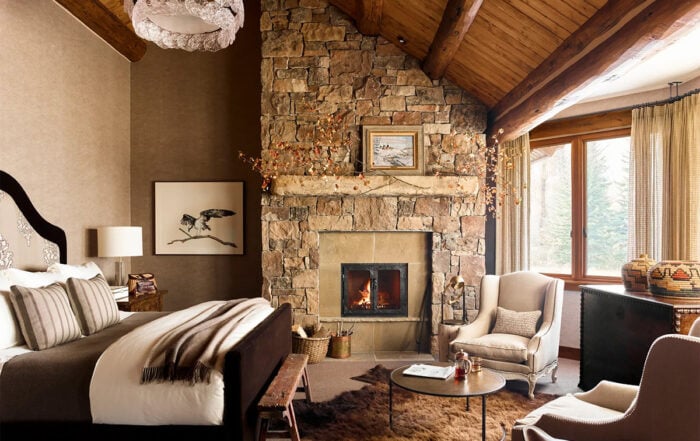
Rustic Bedroom Ideas
Rustic bedroom ideas covering natural materials, layered textiles, color palettes, and professional design strategies for log cabin, modern rustic, Scandinavian, and luxury retreat styles.
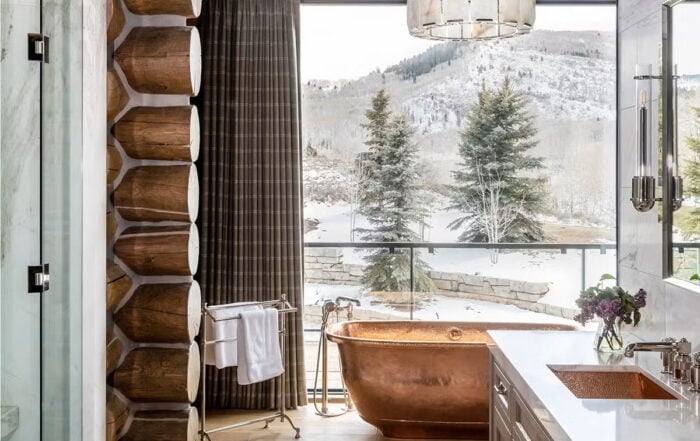
Rustic Bathroom Ideas
Rustic bathroom ideas — natural materials, vintage fixtures, earthy palettes, and designer tips for log homes, cabins, and mountain retreats.
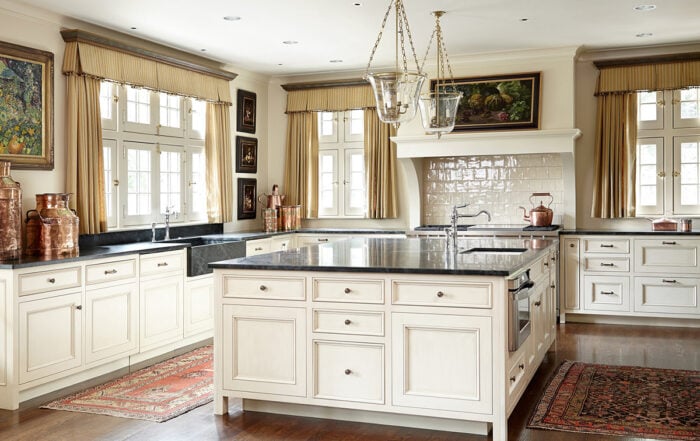
Cream Kitchen Cabinet Ideas
Cream kitchen cabinet ideas curated by interior designer Tracy Svendsen. Warmer than white and more versatile than beige, cream cabinets work beautifully across farmhouse, rustic, traditional, and modern kitchens.
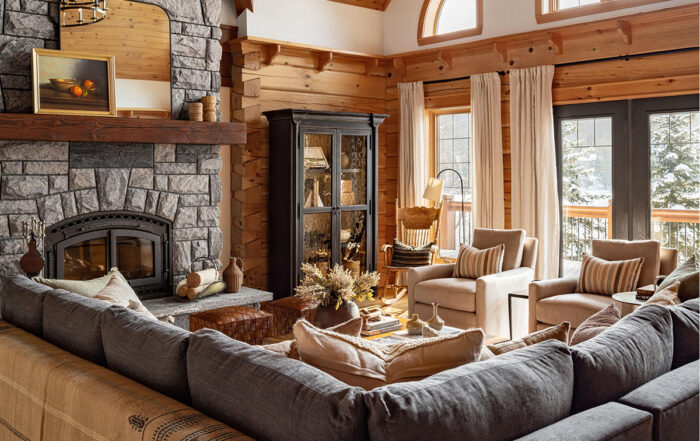
Log Home Decorating Ideas
Log home decorating ideas covering color palettes, furniture selection, lighting, stone fireplaces, and modern approaches to handcrafted log home interiors.

