
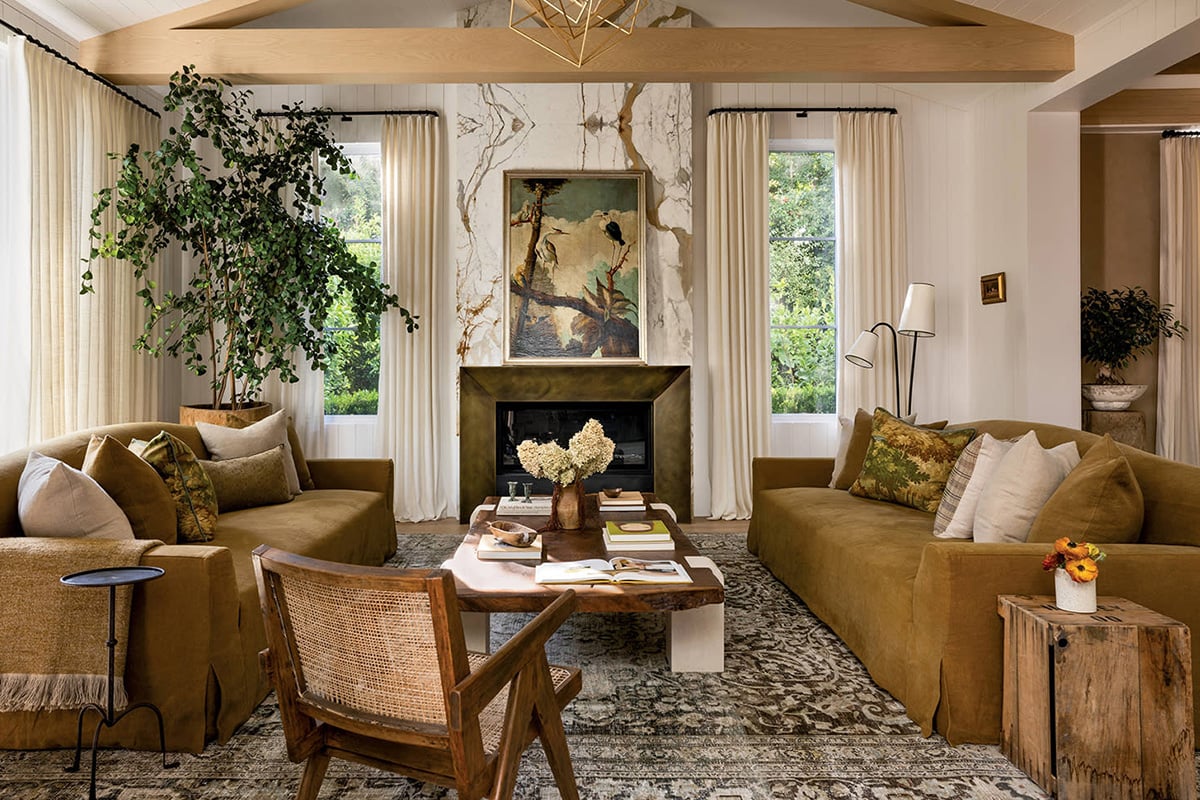
Earth Tone Decorating Ideas for a Warm, Grounded Home
By Interior Designer TRACY SVENDSEN | Published on September 14, 2023 | Updated on June 20, 2026 |
Earth tones — warm browns, rusty oranges, deep greens, and soft terracottas — have become one of the most requested palettes in my design work, and I don’t think that’s a coincidence. These colors are inherently grounding; they’re inspired directly by the natural world, which gives them a warmth that’s hard to manufacture with any trend-driven color.
What I appreciate most about earth tones is how adaptable they are. Whether a home sits in the middle of a city or out in a rural setting, this palette brings a genuine sense of connection to nature rather than just referencing it decoratively. The ideas below cover how to bring earth tones into different rooms, how to pair them with other colors, and how to use natural materials and texture to reinforce the palette throughout a space. Feature image above courtesy of Studio MTN.
Here are a few benefits and design tips for decorating in earth tones:
Key Takeaways: Earth Tone Decorating Ideas
- Earth tones — warm browns, terracotta, moss green, and muted ochre — draw directly from nature, giving the palette more staying power than trend-driven colors.
- Texture and material matter as much as color: wood, stone, rattan, and linen all reinforce an earth tone palette and prevent it from feeling flat.
- Balance is essential — pairing earth tones with crisp whites or lighter neutrals keeps a richly colored room from feeling heavy or closed in.
- The palette adapts to nearly any room and design style, from modern and minimalist to rustic and farmhouse, making it one of the most versatile choices in a home.
- Personal touches — vintage finds, handmade ceramics, travel pieces — fit naturally into earth tone spaces, since the palette already favors a collected, lived-in feel over anything mass-produced.

Living Room in Warm Earthy Colors
Image courtesy of Jake Arnold Design
1. The Benefits of Incorporating Nature Into Home Decor
Bringing nature into your home goes beyond aesthetics. Surrounding yourself with natural elements has a measurable calming effect — clients consistently tell me their earth-toned rooms are the ones they gravitate toward at the end of a long day.
Part of what makes earth tone decorating so effective is its range. The palette works across design styles that otherwise look nothing alike — modern, farmhouse, rustic, even minimalist spaces all absorb earth tones differently, which is part of why I reach for this palette so often regardless of a client’s particular style.
There’s also a deeper reason this palette resonates: it brings the colors and textures of the outdoors inside, which creates a genuine sense of connection rather than a purely decorative gesture.


Primary Bedroom and Dining Room with Warm Wood Flooring and Earth Tone Hues
Image courtesy of Amber Interiors
2. Understanding Earth Tones and Color Psychology
Before choosing earth tones for a space, it helps to understand what the category actually covers and how each color behaves. Earth tones are colors drawn directly from the natural world — browns, greens, oranges, and yellows — typically muted, warm, and neutral enough to create a soothing, grounded effect rather than a bold, attention-seeking one.
Color psychology is something I think about constantly in interior design work. Brown reads as secure and comforting, which is why it works so well in spaces meant for rest. Green reflects growth and renewal, which is part of why it’s become one of the most requested colors in my practice over the past few years.
The shade you choose changes the mood as much as the color family itself. Lighter earth tones open a space up and let it breathe, while darker hues create something more enclosed and cozy — there’s no single right answer, only the right answer for how a particular room is meant to feel.
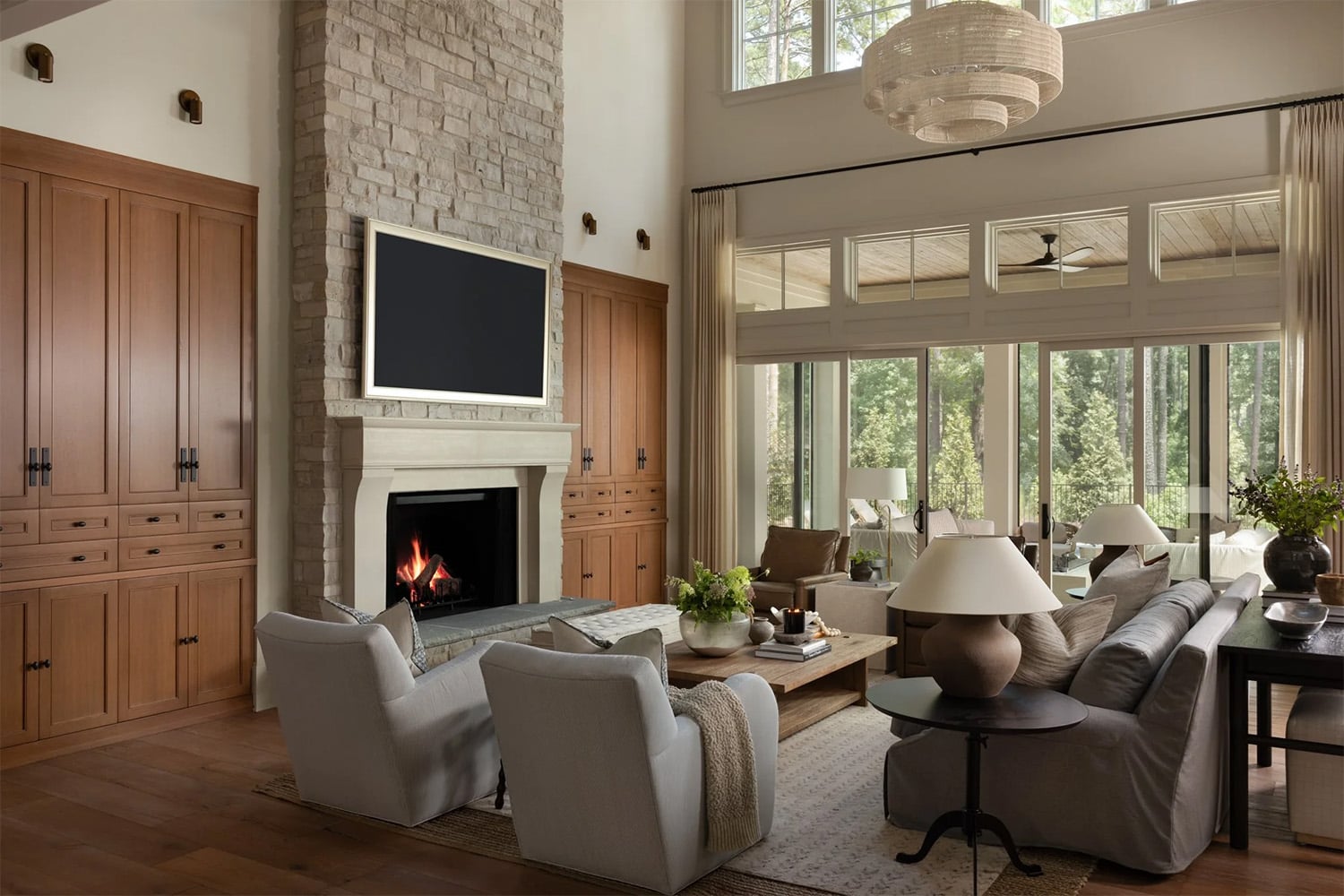
Living Room with Built-In Wood Cabinets, Warm Earth Tone Furniture, and a Stone Fireplace
Image courtesy of Ashley Martin Home
3. Why I Keep Returning to Amber Interiors for Earth Tone Inspiration
Amber Lewis Interiors, the Los Angeles firm founded by Amber Lewis, is one of the design portfolios I reference most often when I’m thinking through earth tone palettes. What sets her work apart, in my view, is restraint — she rarely lets a single earth tone dominate a room. Instead, she layers two or three warm, muted hues against natural materials, which is exactly the kind of approach I encourage clients toward rather than committing to one statement color throughout.
Several of the rooms featured throughout this post come from her portfolio, and I’d encourage you to look closely at how she balances warmth with restraint — it’s a useful reference point regardless of your own design style.


Living Room and Primary Mountain Bedroom in Shades of Brown
Image courtesy of Amber Interiors
4. Earth Tone Color Ideas for Different Rooms in the Home
With the psychology and benefits of earth tones covered, here’s how this palette plays out room by room. Whether the goal is a calming bedroom, a welcoming living room, or a cozy kitchen, earth tones adapt to nearly any space — though the specific shade and intensity matter more than people often expect.
A strong starting palette draws from warm browns, soft greens, sandy beiges, terracotta, muted oranges, and deep blues. From there, the room’s function and lighting should guide which of these takes the lead.
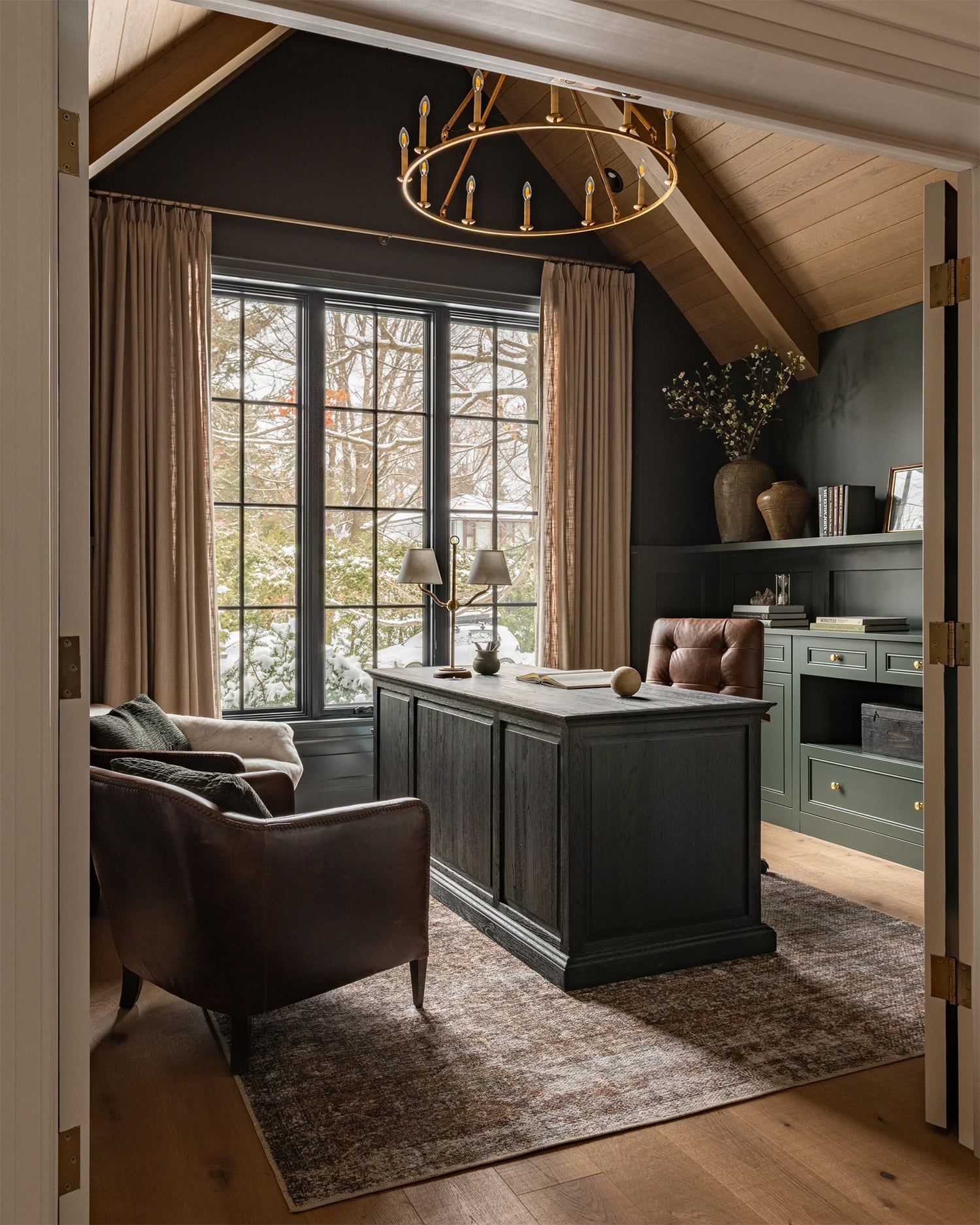
Home Office with Green Walls, Warm Wood Flooring and a Chocolate-Toned Leather Chair
Image courtesy of West of Main
5. Earthtones in the Bedroom
The bedroom is one of my favorite rooms for a full earth tone palette, since the goal there is rest, not stimulation. Combining warm browns and muted greens creates an atmosphere that feels enclosed and calming rather than busy — exactly what a bedroom needs to do well.
The bedroom below, designed by Amber Interiors, shows how layered this palette can be without feeling heavy. Warm wood flooring grounds the space, while a dark wood bed frame with an upholstered brown headboard adds richness without overwhelming the room. A golden-toned blanket draped at the foot of the bed introduces a lighter, warmer accent against the deeper wood tones, and the bedding itself layers earth tone and white in a way that keeps the look soft rather than monochromatic. Textured cream walls tie the whole palette together, giving the wood and bedding something quiet to sit against.
For your own bedroom, opt for bedding and curtains in earthy tones, and bring in color through botanical accents — leafy plants or floral artwork both work well to soften an otherwise warm, wood-heavy palette without straying from the earth tone foundation.

Neutral Bedroom with Layered Earth Tones
Image courtesy of Amber Interiors
6. Earth Tones in the Living Room
The living room is where earth tones do their best work as a backdrop for gathering — the palette reads as warm and inviting without competing with the people actually in the room. A neutral foundation of browns, creams, and warm oranges across walls and furniture gives the space flexibility, and texture does the rest of the work: wood, stone, and decorative branches all add depth without adding more color.
This living room, designed by Amber Interiors, is a strong example of how mixed wood tones can carry an entire earth tone scheme. Light wood flooring and white walls create an airy foundation, while furniture spans light to dark wood tones rather than matching exactly — a detail that keeps the room from feeling too uniform. Two burnt sienna velvet accent chairs introduce a richer, more saturated earth tone as the room’s focal point, balanced by plaid ottomans in warm browns and tans. The area rug stays in soft, subtle earth tones rather than competing for attention, and a light wood coffee table paired with tonal rustic pottery rounds out the palette with quiet, understated texture.
For your own living room, soft lighting and cozy textiles — chunky knit blankets, plush pillows — finish the look and keep an earth tone palette feeling lived-in rather than staged.

Living Room with Warm-Toned Velvet Accent Chairs and Mixed Woods
Image courtesy of Amber Interiors
7. Warm Earth Tones in the Kitchen
Earth tones bring real warmth to a kitchen — a space that can otherwise feel clinical depending on the materials used. Natural wood cabinets and countertops paired with warm taupe or beige walls do most of the work, while smaller earth-inspired touches like terracotta herb pots or a richly colored backsplash add character without requiring a full renovation.
This large modern rustic kitchen shows how far the palette can be pushed while staying cohesive. Light wood flooring keeps the space grounded, while brown-toned dark wood cabinets bring real depth and warmth throughout the room. A glossy tile ceiling treatment in taupe is an unexpected but effective detail — it adds dimension overhead without competing with the cabinetry. Brown and white marble countertops and backsplashes introduce movement and pattern within the earth tone palette, while brass sink, faucet, and cabinet hardware add warmth and a touch of shine against all the matte wood and stone. White walls give the whole composition room to breathe, preventing the deeper tones from feeling heavy.

Modern Rustic Kitchen in Rich Shades of Brown
Image courtesy of Amber Interiors
8. Earth Tones in the Dining Room
Earth tones bring a sense of warmth and intimacy to a dining room — exactly the feeling you want for a space built around gathering. Warm brown and burnt orange hues across walls and furniture set the tone, while nature-inspired artwork or floral centerpieces add color without straying from the palette. Natural wood finishes and woven textures add depth, and soft lighting or candles round out the atmosphere with a sense of occasion.
This dining room by Amber Interiors takes an approach I particularly love: mixed dining chairs in different earth tones or patterns rather than a matching set. Dark wood flooring and a long dark wood table anchor the room, but the chairs are where the personality lives — solid burnt orange upholstery sits alongside brown chairs with a burnt orange windowpane pattern, olive green plaid, and light caramel solid, all coexisting because they share the same warm, earthy color family. It’s a detail that shows mixing and matching can work beautifully within earth tones specifically, since the shared undertone keeps even very different patterns feeling cohesive. A large, neutral textured area rug grounds the whole composition and keeps the mismatched chairs from feeling chaotic.

Modern Rustic Dining Room with Warm Earth Tone Chairs
Image courtesy of Amber Interiors
9. Natural Materials and Textures for a Rustic and Organic Feel
Color is only part of an earth tone palette — material and texture do just as much work. Wood, stone, and jute all add warmth and visual interest in ways that paint alone can’t, reinforcing the organic feel that connects this palette to nature rather than simply being painted to look that way.
This modern rustic living room layers texture in a way I find genuinely effective. Light wood flooring and light wood paneled walls create a warm, cohesive base, while rustic ceiling beams add architectural texture overhead. An orange velvet sofa brings the room’s most saturated color, balanced by a rich brown settee and a warm-toned wood coffee table that keep the rest of the seating grounded. A large-scale abstract artwork introduces movement through oranges, yellows, greens, and tans — tying the room’s individual elements together as a unified palette rather than separate choices. A large textured area rug in earth tones anchors the whole room, and a brass floor lamp adds a touch of warmth and shine against all the matte, natural materials.
For your own space, a stone accent wall or fireplace surround creates a similar rustic focal point, while a reclaimed-wood coffee table and jute rug bring in the same layered, grounded texture.

Living Room with Orange-Toned Sofa, Light Wood Flooring, and Earth Tone Artwork
Image courtesy of Amber Interiors
10. Pair Earth Tones with Crisp Whites
White is one of the most effective tools for balancing a rich earth tone palette — it brightens a space, creates a sense of openness, and gives warmer hues room to stand out rather than competing for attention. Used as a neutral backdrop, white lets earth tones read as the room’s focal point rather than blending into an all-over warm wash.
This living room shows the pairing at its best. White walls and a white wood-paneled ceiling create a bright, airy shell, while light oak flooring keeps things warm underfoot. A large earth tone area rug grounds the space, and a white linen sofa layered with earth tone pillows in varied patterns brings the palette into the seating without overwhelming the room’s light foundation. Two velvet tan accent chairs add a softer, more saturated note, while a dark wood coffee table and wood furniture with rich brown leather upholstery introduce the deeper, richer end of the earth tone spectrum. The contrast between the crisp white shell and the warm, textured furnishings is what makes the room feel current rather than simply neutral.

Living Room with Crisp White Walls and Earth Tone Accessories
Image courtesy of Amber Interiors
11. Play with Pattern & Texture
Texture is what keeps an earth tone room from feeling flat, especially when the palette leans heavily into a single color family. Woven baskets, wallpaper, chunky knit blankets, plush rugs, textured pillows, and rough-hewn wood accents all add dimension without introducing new color — and nature-inspired elements like wooden beams, wrought iron, and vintage pieces reinforce the earthy feel even further.
This country living room is a strong example of pattern layered on pattern within a single warm palette. Wallpaper in tan and rust tones sets the backdrop, while light oak flooring keeps the room’s base neutral. A white fireplace surround and white area rug provide visual breathing room against all the warmth elsewhere — a detail worth noting, since even a heavily textured earth tone room benefits from a few quiet, light moments. The brown linen sectional is layered with throw pillows in various warm brown patterns, while the patterned accent chairs and a checkered upholstered coffee table add even more pattern without clashing, since everything stays within the same tonal family. A wicker basket filled with wood, antique wood furniture, and an iron lighting fixture round out the textures, proving that pattern and material variety can coexist as long as the color palette stays disciplined.

Country Cottage Living Room with Layered Patterns
Image courtesy of Amber Interiors
12. Include Accent Pieces
Accent pieces are the easiest way to bring this palette in without committing to a full color scheme — artwork, ceramics, pottery, and decorative objects in warm, natural hues let it show up in small, intentional doses. Pieces with natural motifs, like leaves, animals, or landscape scenes, reinforce the connection further, and open shelving or tabletops are ideal spots to style pottery, wood carvings, or woven baskets as a collected display.
A reading corner shows how far a few accents can go. Textured lime-washed walls in warm tan create a soft backdrop for a white linen lounge chair, while warm-hued pillows and a knit blanket bring in color exactly where it’s needed. A textured rug, a sculptural dark wood side table, and a wicker magazine stand round out the vignette with quiet, natural texture.
Nearby, a built-in cabinet with a wood slat back and open light oak shelving shows what well-curated styling looks like in practice. Pottery, artwork, photography, books, trays, and sculptural objects are layered with enough variety to feel collected over time, but enough restraint to avoid clutter — a useful model for filling open shelving without it tipping into visual noise.


Layering Accents
Image courtesy of Amber Interiors
13. Incorporate Fall Decor
Fall decor and earth tones share the same warm, natural palette, which makes the season an easy entry point if you’re testing this style for the first time. The rich colors of autumn — warm browns, rusty oranges, deep greens — already align with everything covered so far, so a few seasonal swaps go a long way toward a warmer, more grounded look.
This dining room shows the palette in a more architectural, year-round form. Light wood flooring and warm white shiplap walls and ceiling create a bright, textured shell, while wood ceiling beams add structure overhead. A wood dining table paired with white-washed wood chairs keeps the seating light against an antique wood hutch, which brings in a deeper, richer wood tone. An area rug in tan, red, and orange ties the room together, and a rustic vase filled with autumn branches in burnt-orange tones serves as the table’s seasonal focal point — proof that a single well-chosen arrangement can carry an entire room’s autumnal mood.
For your own space, a few throw pillows in these same tones, or small seasonal touches like pumpkins, leaves, and pinecones, bring the feeling in without any permanent changes. Swapping curtains or table linens for earth-toned alternatives is another easy, temporary way to shift a room toward fall.

Dining Room With Fall Accents
Image courtesy of Amber Interiors
14. Popular Earth Tones
Some of the most reliable earth tones to build a palette around include warm browns, burnt orange, rust, moss green, sandy beige, muted yellow, terracotta, and deep blue, alongside softer neutrals. Each one is drawn directly from the natural world, which is exactly why they pair so easily with one another — there’s rarely a wrong combination within this family.
This primary bedroom shows several of these tones working together at once. Warm, golden-toned wood flooring sets a rich base beneath an upholstered bed in warm tan, while white sheets and pillowcases keep the bedding from feeling too dark against the dark brown duvet and euro pillows. A muted yellow throw adds a lighter, warmer accent on top, echoed by yellow ochre ottomans gathered around a dark wood pedestal table near the window. A dark brown velvet bench at the foot of the bed reinforces the room’s deeper tones, while brass lighting and a neutral textured rug round out the palette with warmth and quiet texture.
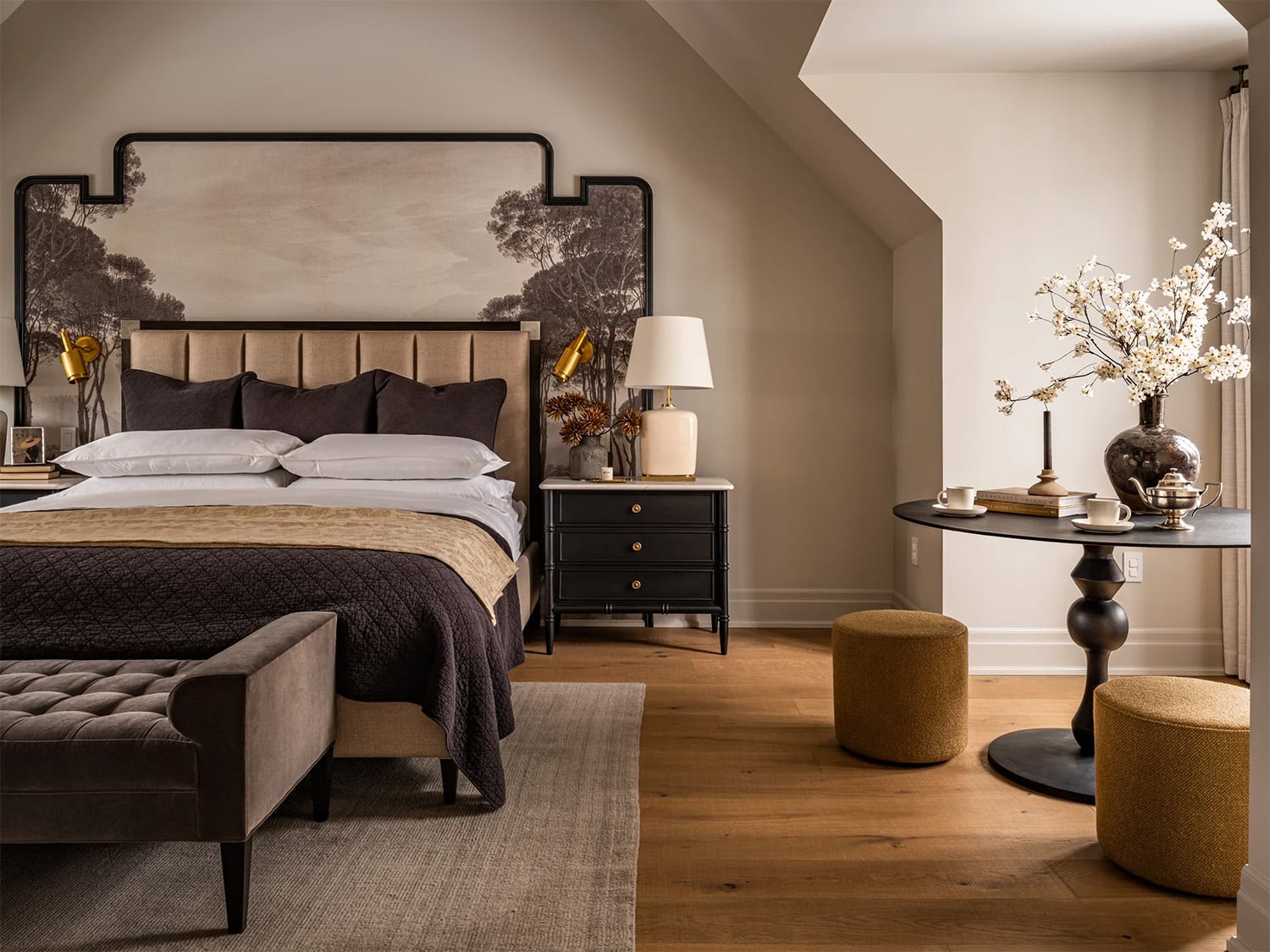
Layered Earth Tones in the Bedroom
Image courtesy of West of Main
15. Plants and Greenery
Indoor plants and fresh greenery bring real life into an earth tone space — they introduce natural color and movement that paint and fabric alone can’t replicate. Succulents, ferns, and snake plants are all easy, low-maintenance options if houseplants are new territory, but even a few cut branches or a simple arrangement go a long way.
This open-concept living, dining, and kitchen space shows greenery working as part of a much larger earth tone story. Warm wood tones carry throughout — flooring, kitchen cabinets, ceiling beams, and a series of wood-framed arched doors leading outside all tie the space together. Rustic vases filled with florals and leafy branches are placed throughout the room, reinforcing the connection to nature rather than treating greenery as an afterthought. A dark brown sofa anchors the seating area, layered with earth tone rugs and tonal pillows in varied textures and patterns. White walls give the whole space room to breathe, letting the warm materials and greenery take center stage.

Living Room with Fresh Greenery and Florals
Image courtesy of Amber Interiors
16. Artwork and Photography
Artwork and photography are an easy way to reinforce an earth tone scheme without touching the walls themselves. Nature scenes or landscapes bring the outdoors inside directly, and choosing pieces in warm browns, muted oranges, and deep greens keeps the artwork working with the room’s palette rather than against it. Wooden frames, stone sculptures, and metal wall art extend the same idea into three dimensions.
This bedroom shows how artwork can anchor a layered, mixed-wood-tone room. White walls keep the space bright, while an antique wood bed in warm orange tones brings in the room’s richest color. Two dark wood end tables add contrast against the lighter bed frame, and earth tone bedding ties the furniture together. Art prints on the walls reinforce the palette at eye level, while an upholstered bench at the foot of the bed and lamps with rustic, sculptural pottery bases round out the room’s layered textures.

Bedroom with Earth Tone Artwork
Image courtesy of Amber Interiors
17. Warm & Soft Lighting Fixtures
Lighting does as much for an earth tone room’s atmosphere as color or material — warm, soft light reinforces the cozy, grounded feeling the palette is built around. Table lamps, floor lamps, and string lights with warm-toned bulbs all help, and fixtures finished in brass or copper tie directly into the broader palette rather than reading as a separate metal. A candle in a natural scent, like sandalwood or cedarwood, adds another sensory layer without any visual change at all.
This kitchen pairs warm wood flooring and cream cabinets with brass accents throughout — two brass pendants above the island and matching wall sconces flanking the range and vent hood create a cohesive lighting story rather than mismatched fixtures. The result is an earth tone kitchen built around green, cream, and ochre tones, with the brass lighting acting as the warm, reflective thread that ties the whole palette together.
Beyond fixtures, maximizing natural light matters just as much. Keeping windows unobstructed, or using sheer curtains that let light filter through, brightens the space and highlights the natural materials and earth tones throughout the room rather than letting them sit in shadow.
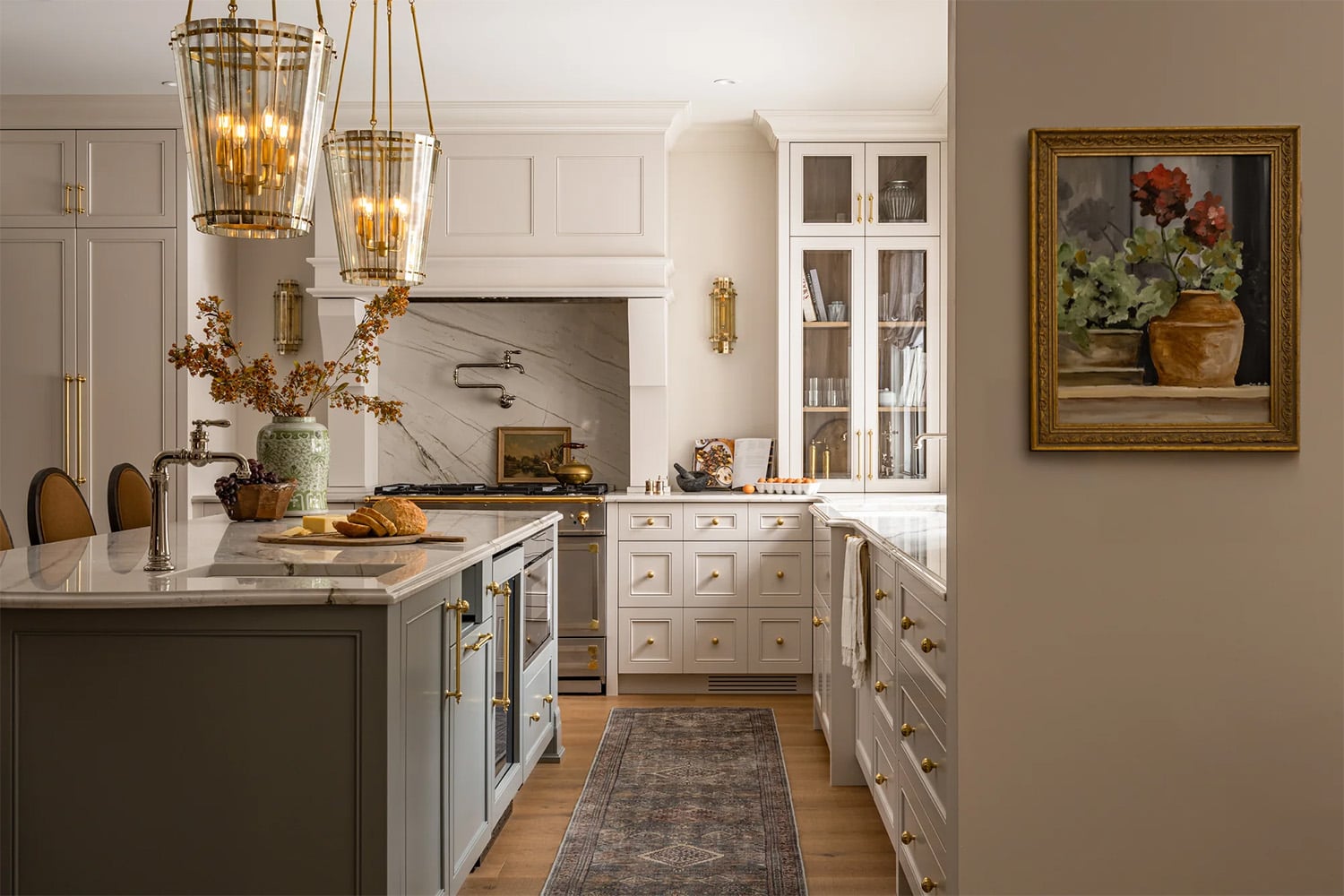
Kitchen with Warm Brass Lighting Fixtures, a Green Island, and Cream Cabinets
Image courtesy of West of Main
18. Sustainable and Eco-friendly Decor Options
Earth-tone decor pairs naturally with sustainable design, since the palette is already rooted in natural materials. Choosing organic, responsibly sourced textiles and furnishings extends that connection beyond color alone. For textiles, natural materials like linen, cotton, and hemp are a better environmental choice than synthetics, and they bring a softer, more luxurious texture that synthetic fabrics rarely match. Japandi design — with its emphasis on minimalism, clean lines, and a limited palette — is a natural complement to earth tones as well, since both styles prioritize restraint and quality of material over quantity of decor.
This open-concept living room and kitchen shows sustainable, natural materials throughout. Reclaimed wood appears in the furniture, while rustic wood plank flooring and ceiling beams carry the same material into the architecture. Linen throw pillows and window treatments keep the textiles in line with the room’s natural-material approach, and the kitchen continues the theme with wood cabinets, open wood shelving, and woven rattan counter stools. The shelving holds organic pottery and cutting boards rather than decorative objects for their own sake, and potted plants throughout reinforce the room’s connection to its materials.

Open-Concept Modern Rustic Living Room & Kitchen
Image courtesy of Amber Interiors
19. Balancing Multiple Earth Tones in One Room
Earth tones work best distributed throughout a room rather than concentrated in one area — even a palette built around a single dominant color benefits from variation in shade and material to avoid feeling flat. The goal is a room that reads as cohesive on the whole, not one where a single tone overwhelms everything else.
This guest bedroom shows that balance in practice. Light wood-paneled walls and light oak flooring create a soft, neutral base, while wood beds with fabric-panel headboards introduce texture without adding more color. The bedding carries the room’s earth tone story — warm browns and tans in both solid and plaid prints — without any single shade taking over. A textured area rug in white and brown grounds the space, tan-toned artwork reinforces the palette at eye level, and a woven basket at the foot of the bed adds natural texture. A dark wood bedside table brings in a deeper chocolate tone, echoed in the throws draped at the end of each bed — proof that even a guest room built around two matching beds can feel layered rather than repetitive.
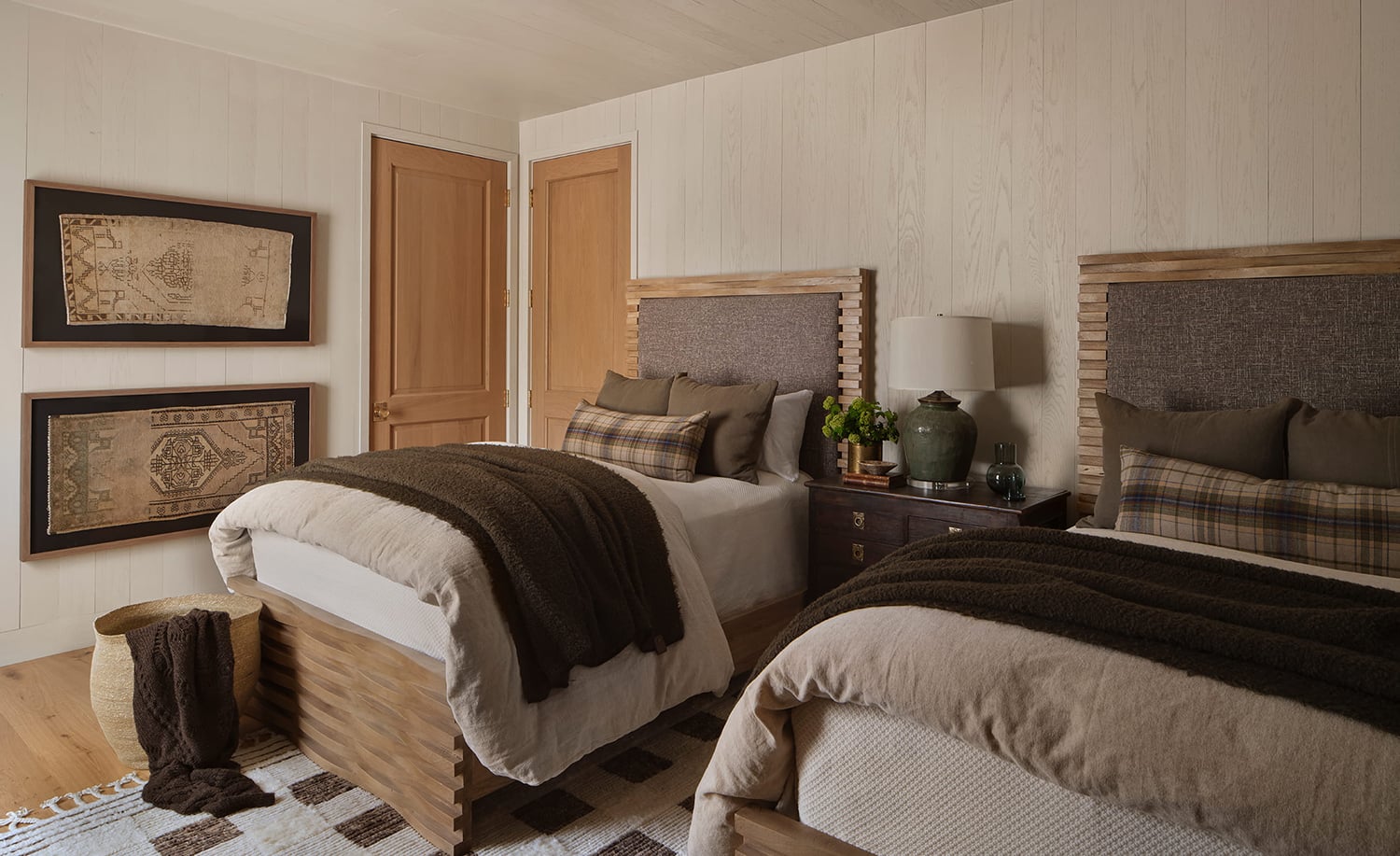
Guest Bedroom in Warm Shades of Brown and Tan
Image courtesy of JFY Interiors
20. Incorporate Rich Woods
Wood is arguably the single most important material in an earth tone palette — it’s present in nearly every example throughout this guide, and for good reason. Rich, natural woods like walnut, oak, and mahogany bring warmth and depth that paint alone can’t replicate, and unlike a painted finish, wood grain adds visual texture and natural variation even within a single piece of furniture.
Different wood tones can also coexist within the same room far more easily than people expect. A lighter wood floor doesn’t need to match a dark wood dining table exactly — in fact, some contrast between wood tones often reads as more intentional and collected than an exact match throughout.
This kitchen shows wood working alongside other earth tone materials rather than carrying the whole palette alone. Warm wood flooring and a matching wood kitchen island base anchor the space, paired with a combination of wood and taupe cabinets that keep the upper cabinetry lighter than the lower. A dramatically veined white-and-gray backsplash and countertop introduce contrast and movement against all the warm wood tones, while a copper range hood and brass hardware add a reflective, metallic layer that ties back to the room’s overall warmth. A dark wood kitchen table nearby continues the material story into the adjacent dining space.
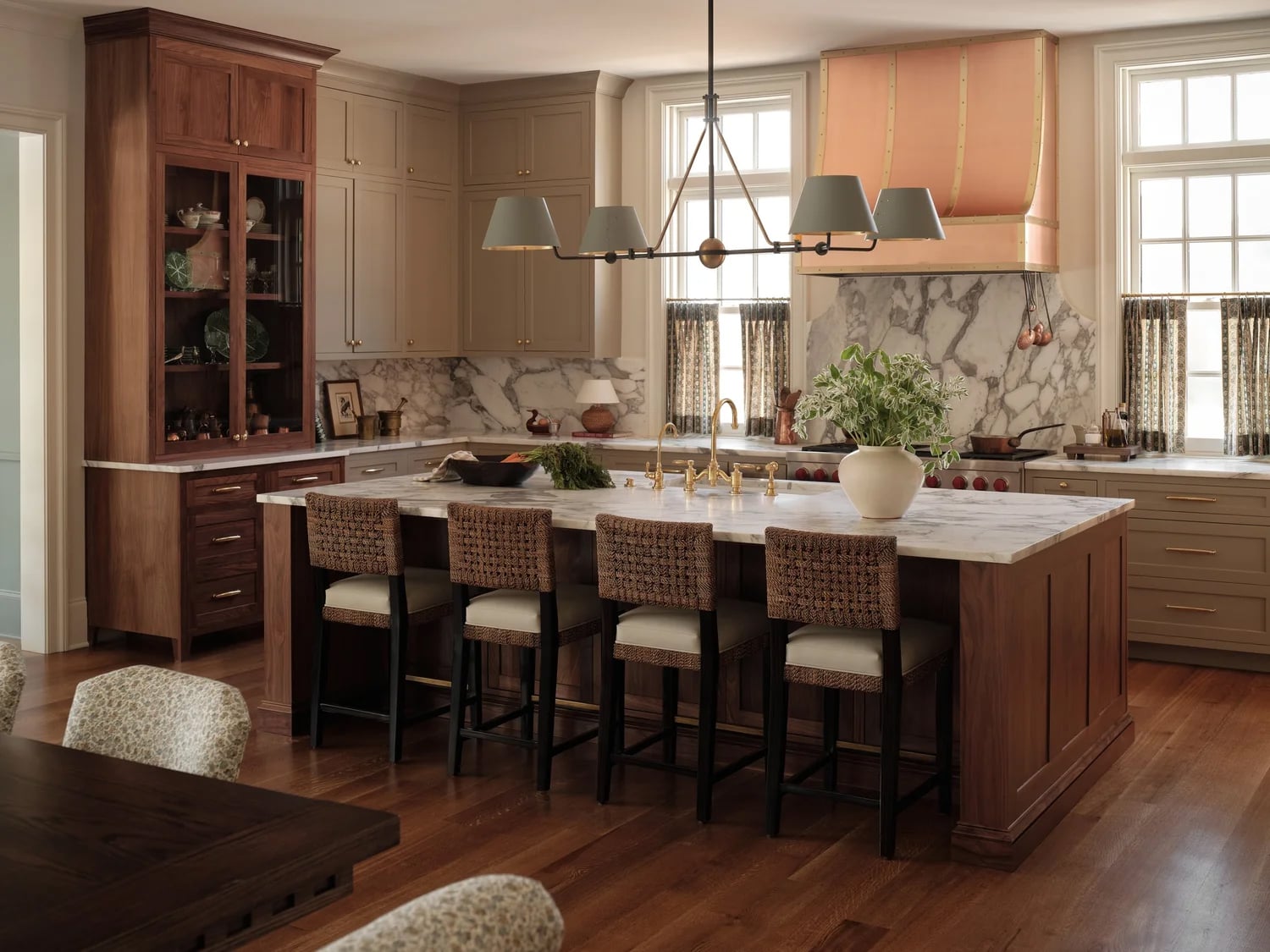
Kitchen with Warm Wood Flooring and Taupe Cabinets
Image courtesy of Lindsey Black Interiors
21. Balance with Lighter Tones
Earth tones can quickly feel heavy if every surface leans warm and saturated — lighter shades give the palette room to breathe. Soft whites, creams, or pale blues introduced through smaller decor items, upholstery, or wall art keep a room from feeling overly dense, even when the dominant materials remain firmly in earth-tone territory.
This kitchen and pantry clearly show that balance. In the pantry, dark rust hexagon terracotta tile flooring brings in a rich, saturated earth tone underfoot, paired with a cabinet skirt fabric in rust and cream tones. White cabinetry throughout keeps the space from feeling closed in, letting the terracotta floor read as a deliberate accent rather than an overwhelming choice.
The adjacent kitchen carries the same terracotta tile into the main cooking space, again balanced by white cabinetry and a white island with a butcher-block countertop that brings back a touch of warm wood. Black-framed windows add a crisp, graphic contrast against all the white and terracotta — a small detail that keeps the room feeling current rather than purely rustic.


Kitchen with White Cabinets and Terracotta Floor Tiles
Image courtesy of Amber Interiors
22. Personalize with Accessories
Personal touches are what separate a well-decorated room from a truly lived-in one. Travel souvenirs, handmade ceramics, or vintage finds all add character that no catalog purchase can replicate, and within an earth tone palette, these personal pieces tend to fit naturally since the colors themselves are so often warm, organic, and collected-feeling to begin with.
This living room shows how personal items can anchor a room’s whole story. A rust-toned sofa sits beneath a framed photograph of a cabin in a field with mountain views — the kind of piece that immediately signals something specific about the people who live there, rather than generic art chosen to match the walls. Large pottery-based rustic lamps add sculptural character on either side, while an upholstered coffee table holds a round woven tray with a vase and floral arrangement, along with a small stack of books. A large area rug grounds the room, and throw blankets and pillows layered onto the sofa add comfort and texture. Floor-to-ceiling window treatments frame the whole space, letting natural light bring out the warmth in every material in the room.

Living Room with Artwork, a Floral Arrangement and Layered Textures
Image courtesy of Amber Interiors
23. Earth Tones, Fully Layered: A Modern Primary Bedroom
This primary bedroom is a fitting place to end, since it brings together nearly everything covered throughout this guide — color, material, texture, and personal style — in one cohesive space. Cream-toned walls and a light wood ceiling create a soft, warm shell, while parquet light wood flooring adds pattern underfoot without introducing a new color. Black-framed windows and floor-to-ceiling window treatments bring a crisp, architectural edge.
The bedding does most of the color work, layered in warm earth tones that read as rich without feeling heavy. Two modern white accent chairs in the corner lighten the palette and add a contemporary edge, while a dark leather bench at the foot of the bed grounds the space with a deeper, richer material. Brass wall sconces flanking the bed add a warm, reflective glow, and cozy throws and plants throughout bring in the final layers of texture and life.
What makes this room work is restraint within a fairly desert-inspired, subtly muted palette — every element shares a common temperature and tone, even as materials and finishes vary from wood to leather to brass. It’s proof that earth tones can feel entirely modern when the palette is disciplined, and the layering is intentional, rather than reading as purely rustic or traditional.

Warm and Inviting Primary Bedroom
Image courtesy of Amber Interiors
Earth Tone Decorating Ideas Conclusion
Earth tones have stayed relevant in my design work for one simple reason — they’re never really a trend. Because the palette draws directly from nature, it adapts to nearly any room, any style, and any season without feeling dated the way more fashion-driven colors eventually do.
Whether you start with a single accent wall, a few new textiles, or a full room renovation, the principles throughout this guide stay the same: layer your materials, vary your shades, and let the palette breathe with lighter tones where it needs room. Done thoughtfully, an earth tone space feels grounded and personal — a home that looks like it belongs to the people living in it, not a showroom.
Frequently Asked Questions About Earth Tone Decorating
What colors go well with earth tones?
Earth tones pair beautifully with crisp whites, which brighten the palette and let the warmer hues stand out as a focal point rather than blending into an all-over warm wash. Soft creams and pale blues work as gentler complements, softening the richness without as much contrast as white provides. Within the earth tone family itself, mixing shades — warm browns with moss green, terracotta with deep blue — creates depth without introducing an entirely separate color story. The materials matter as much as the colors: brass, copper, and natural wood all reinforce an earth tone palette regardless of which specific shades are used.
What are some examples of earthy tone decor?
Earthy decor shows up most often through natural materials and warm, muted colors rather than any single signature piece. Reclaimed or rich wood furniture, woven baskets and rattan accents, stone or terracotta tile, and linen or cotton textiles all read as earthy regardless of their exact color. On the color side, warm browns, rust, terracotta, sandy beige, moss green, and muted ochre are the most common building blocks. Pottery, botanical artwork, and dried or fresh greenery are some of the easiest accent pieces to add, since they bring in both the color palette and the natural-material quality that defines the look.
Are earth tones still in style?
Yes — and earth tones have shown more staying power than most color trends precisely because they’re not really trend-driven to begin with. Since the palette is inspired directly by nature rather than a particular design moment, it has moved fluidly across farmhouse, modern, rustic, and traditional interiors for years without feeling dated. The specific shades in heaviest rotation shift gradually — moss green and terracotta have both seen renewed popularity recently — but the broader earth tone category remains a dependable, long-term choice rather than something likely to feel outdated in a few years.
How do you use earth tones in a living room?
A neutral foundation of browns, creams, and warm oranges across walls and major furniture pieces gives a living room flexibility, while texture — wood, stone, woven materials — adds depth without requiring more color. Layering is what makes an earth tone living room feel intentional rather than monochromatic: a rug in one shade, pillows in another, and artwork that ties the palette together at eye level. Balancing the richness with some lighter moments, whether that’s white trim, a pale rug, or simple negative space, keeps the room from feeling too heavy, especially in smaller or less naturally lit spaces.
What’s the easiest way to start decorating with earth tones?
Textiles are the lowest-commitment entry point — a few throw pillows, a new rug, or updated curtains in earth tones can shift a room’s whole feeling without any permanent changes. From there, a single accent wall in an earth tone paint color is a natural next step if the palette feels right after living with it in textile form. Accessories like pottery, woven baskets, or botanical artwork round out the look further. Starting small and living with the palette for a while before committing to larger pieces, like furniture or full-room paint, tends to lead to better long-term satisfaction than redoing an entire room at once.
View Recent Posts
Stunning Range Hood Design Ideas
Range hood design ideas covering stone, wood, plaster, copper, and stainless steel — with designer tips on proportion, material selection, and installation.
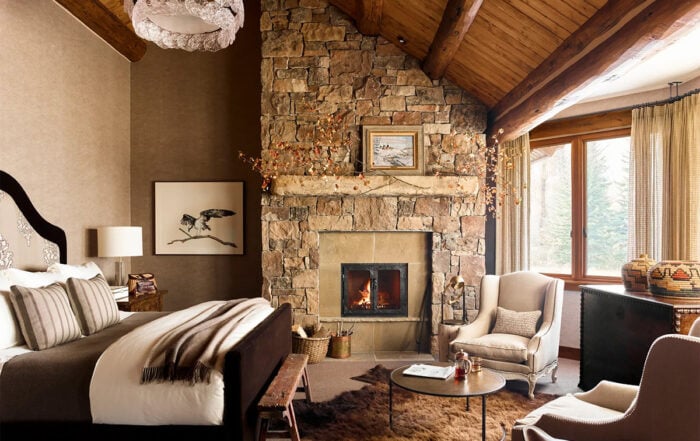
Rustic Bedroom Ideas
Rustic bedroom ideas covering natural materials, layered textiles, color palettes, and professional design strategies for log cabin, modern rustic, Scandinavian, and luxury retreat styles.
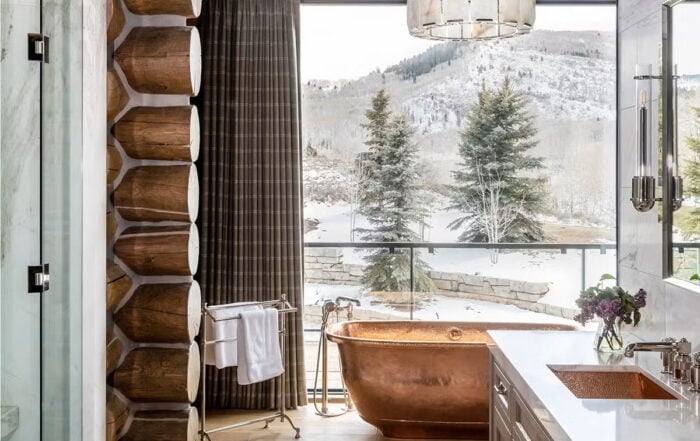
Rustic Bathroom Ideas
Rustic bathroom ideas — natural materials, vintage fixtures, earthy palettes, and designer tips for log homes, cabins, and mountain retreats.
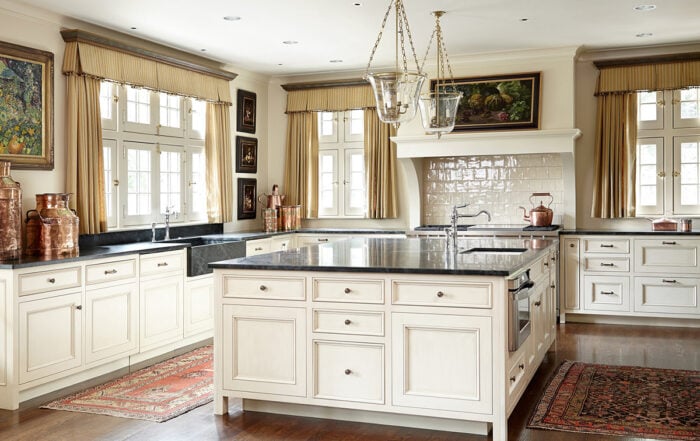
Cream Kitchen Cabinet Ideas
Cream kitchen cabinet ideas curated by interior designer Tracy Svendsen. Warmer than white and more versatile than beige, cream cabinets work beautifully across farmhouse, rustic, traditional, and modern kitchens.
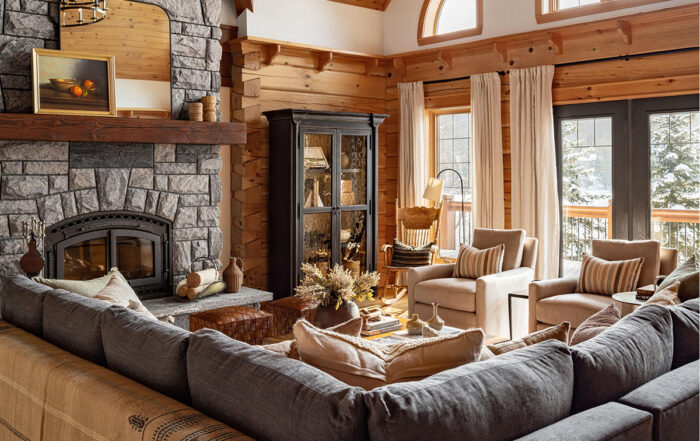
Log Home Decorating Ideas
Log home decorating ideas covering color palettes, furniture selection, lighting, stone fireplaces, and modern approaches to handcrafted log home interiors.
Country Kitchen Ideas
Discover 43 country kitchen ideas featuring warm earth tones, natural materials, vintage accents, and expert guidance on cabinets, colors, and styling for an authentic country kitchen design.

