
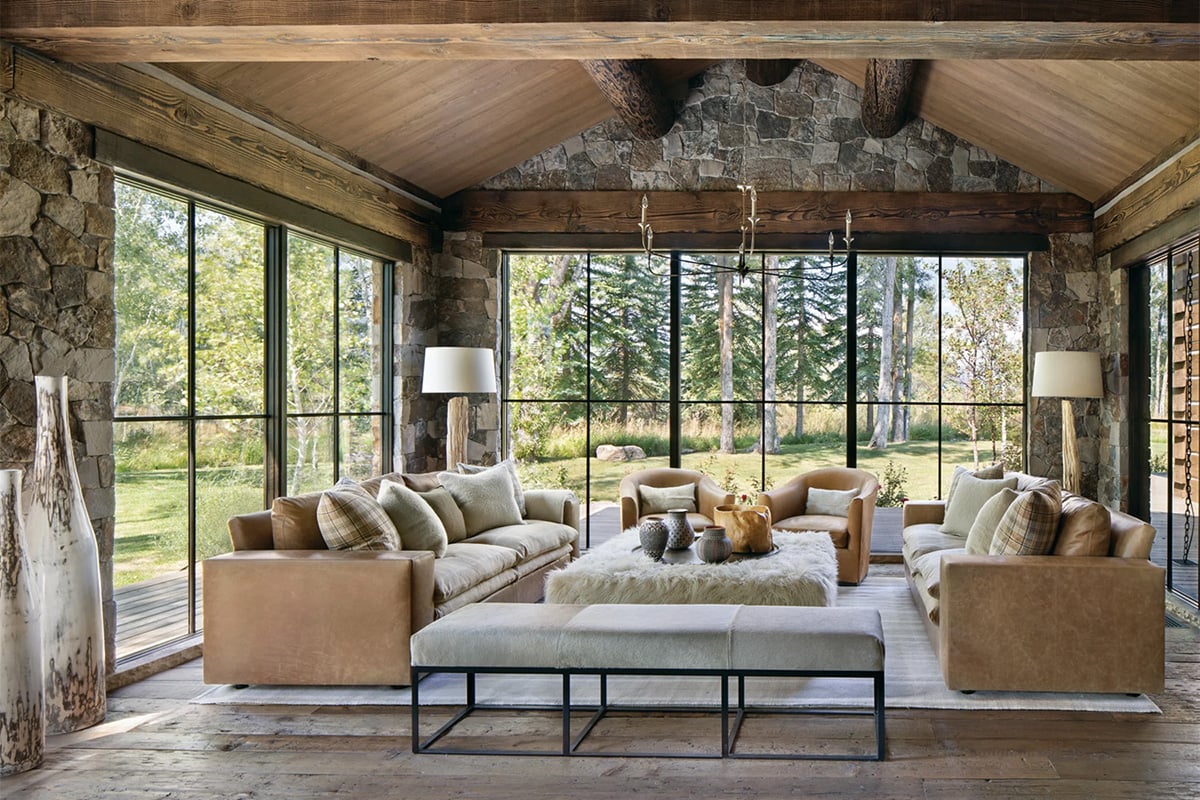
Rustic Style Interior Design Trends for 2026
By Interior Designer TRACY SVENDSEN | Published January 05, 2018 | Updated February 14, 2026 |
For those who are intrinsically drawn to organic materials, genuine warmth, and a deep connection to nature, the 2026 interior design landscape is highly favorable. We are currently witnessing a definitive, industry-wide movement away from the cold, stark aesthetic of past minimalism and toward spaces that prioritize coziness, soulfulness, and human comfort.
Many interior designers, including myself, agree that the standard for contemporary high-end interiors has undergone a fundamental shift. The signature elements that define traditional rustic design—raw wood, natural stone, and organic texture—are no longer considered niche; they have officially moved into the mainstream, defining a sophisticated, elevated, and modern aesthetic.
This revival offers a practical, high-impact path to modernization: you don’t need to take the structure down to the studs to achieve a contemporary feel. By thoughtfully repurposing and recycling the home’s existing rustic elements, you preserve its character while introducing the clean lines and functionality needed for a warm, inviting, and updated living space. Feature image courtesy of VZ Interiors.
Key Takeaways
-
Rustic style has evolved into the Rustic Modern Revival, blending traditional natural materials like raw wood and stone with clean, contemporary lines to create elevated, nature‑connected interiors.
-
Biophilic design plays a central role, emphasizing natural light, views, plant life, and tactile materials to foster indoor‑outdoor connection and restorative spaces.
-
Contrast and texture are defining elements of 2026 rustic interiors, layering rich wood tones, stone accents, and artisanal surfaces to add depth and visual interest.
-
Detail and finish matter, with fluted textures, aged metal palettes, and cozy textiles such as bouclé and layered natural fibers softening rugged surfaces and enhancing comfort.
-
Warm, earthy color palettes and layered textiles reinforce warmth and authenticity, shifting away from cool minimalism towards grounded, tactile interiors.
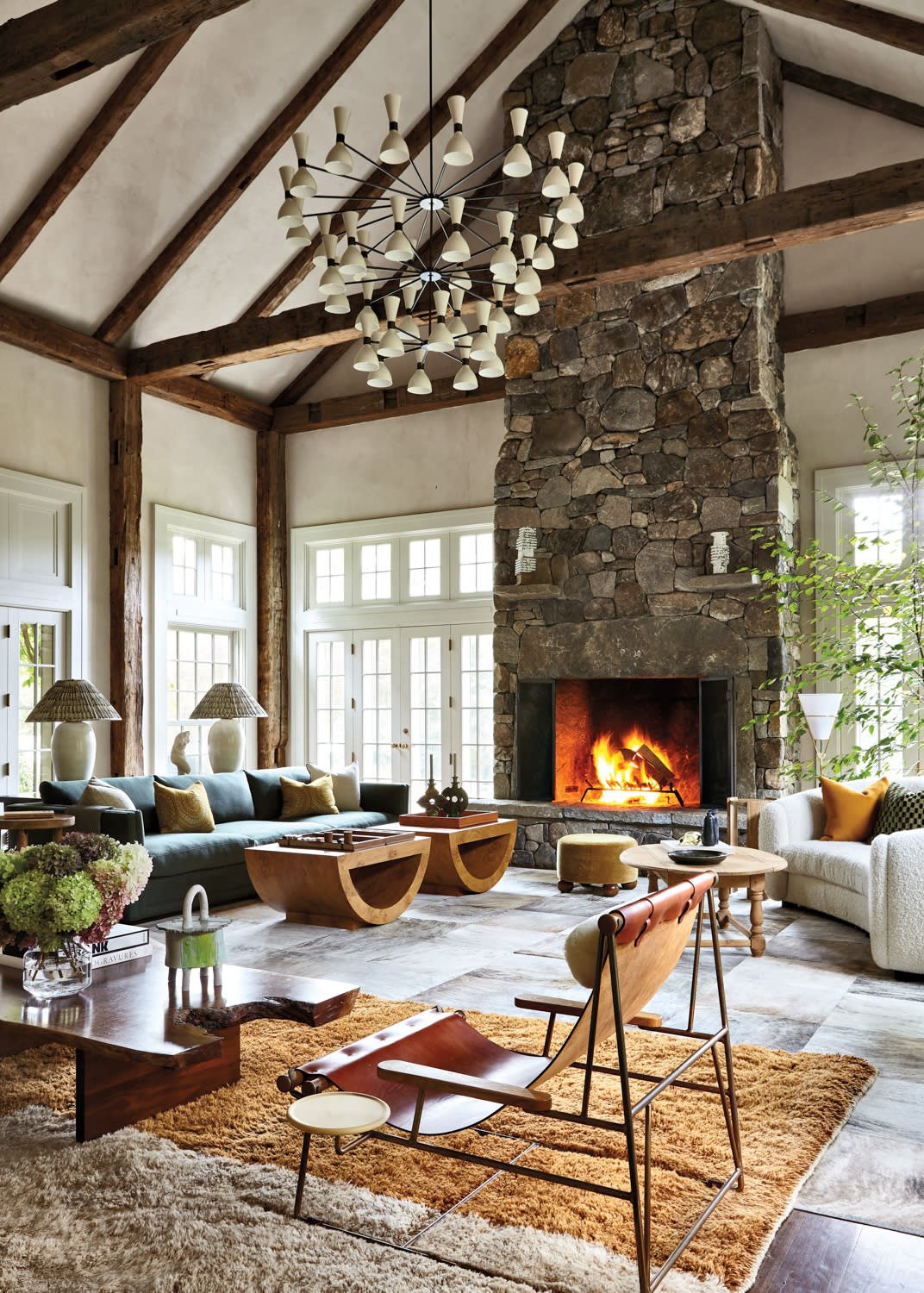
Modern Rustic Living Room with Stone Fireplace
Image courtesy of Dumais Interiors (Joshua McHugh Photography)
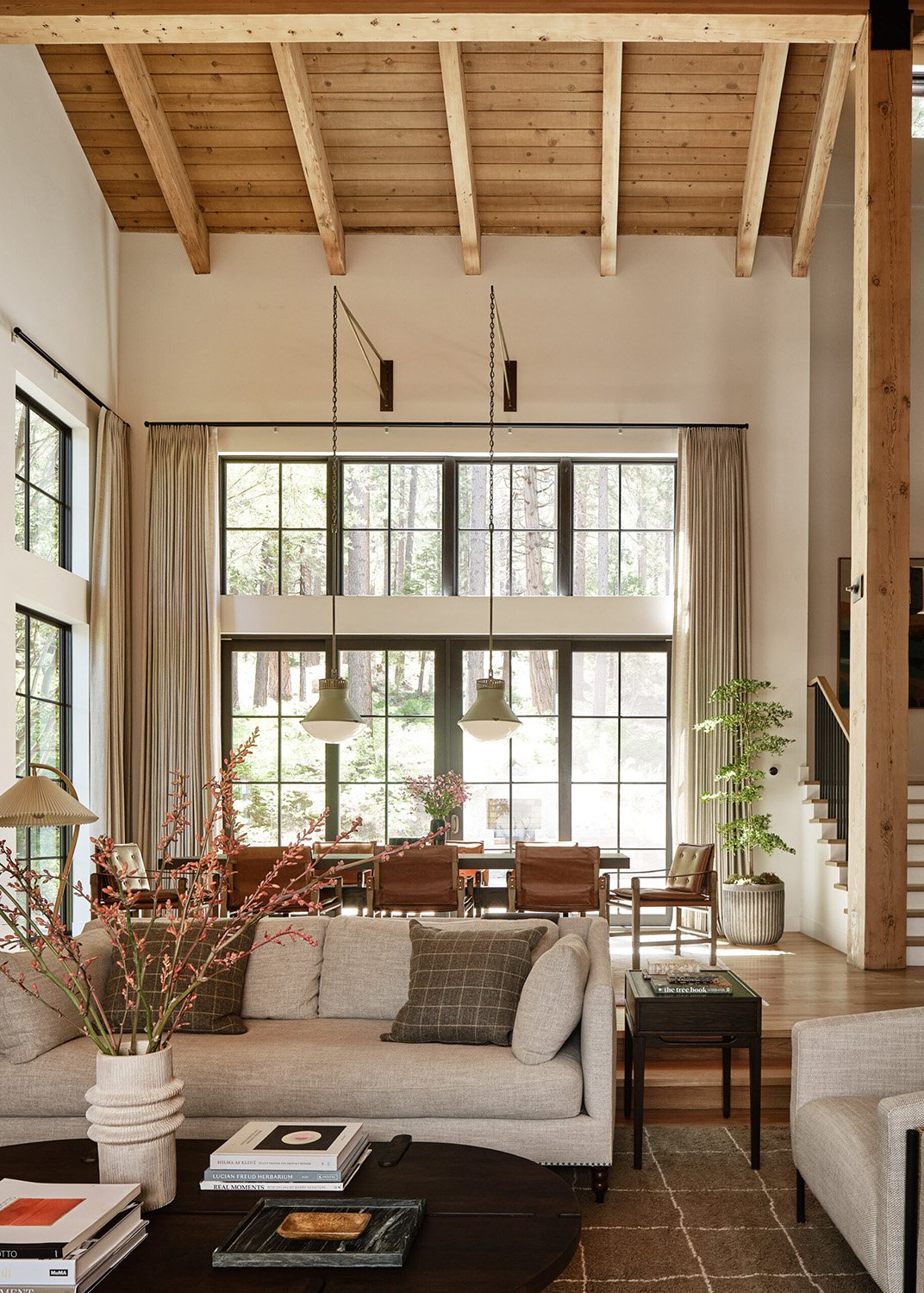
Modern Rustic Living Room with Vaulted Ceiling
Image courtesy of Sarah Liz Lawson (Brad Knipstein Photography)
Rustic Design is Perfectly Positioned to Dominate 2026
This massive trend toward warmth and authenticity suggests that the rustic interior design style is well-positioned to dominate the 2026 design forecasts. The new approach, often referred to as the Rustic Modern Revival, relies on a sophisticated material strategy and intentional contrast.
Pairing Raw and Refined: This design aesthetic leans on sophisticated material pairings, where rough-hewn wood is deliberately set against sleek stainless steel for a striking blend of texture and shine.
Balancing Weight and Lightness: Similarly, the organic weight of a natural stone fireplace or accent wall is beautifully countered by the light, tailored form of clean-lined, modern sofas, establishing a perfect visual and tactile balance between nature and refinement.
We are no longer building rustic cabins; we are creating sophisticated, “Nature-Inspired Modern” sanctuaries that honor the land while embracing functionality and clean design.
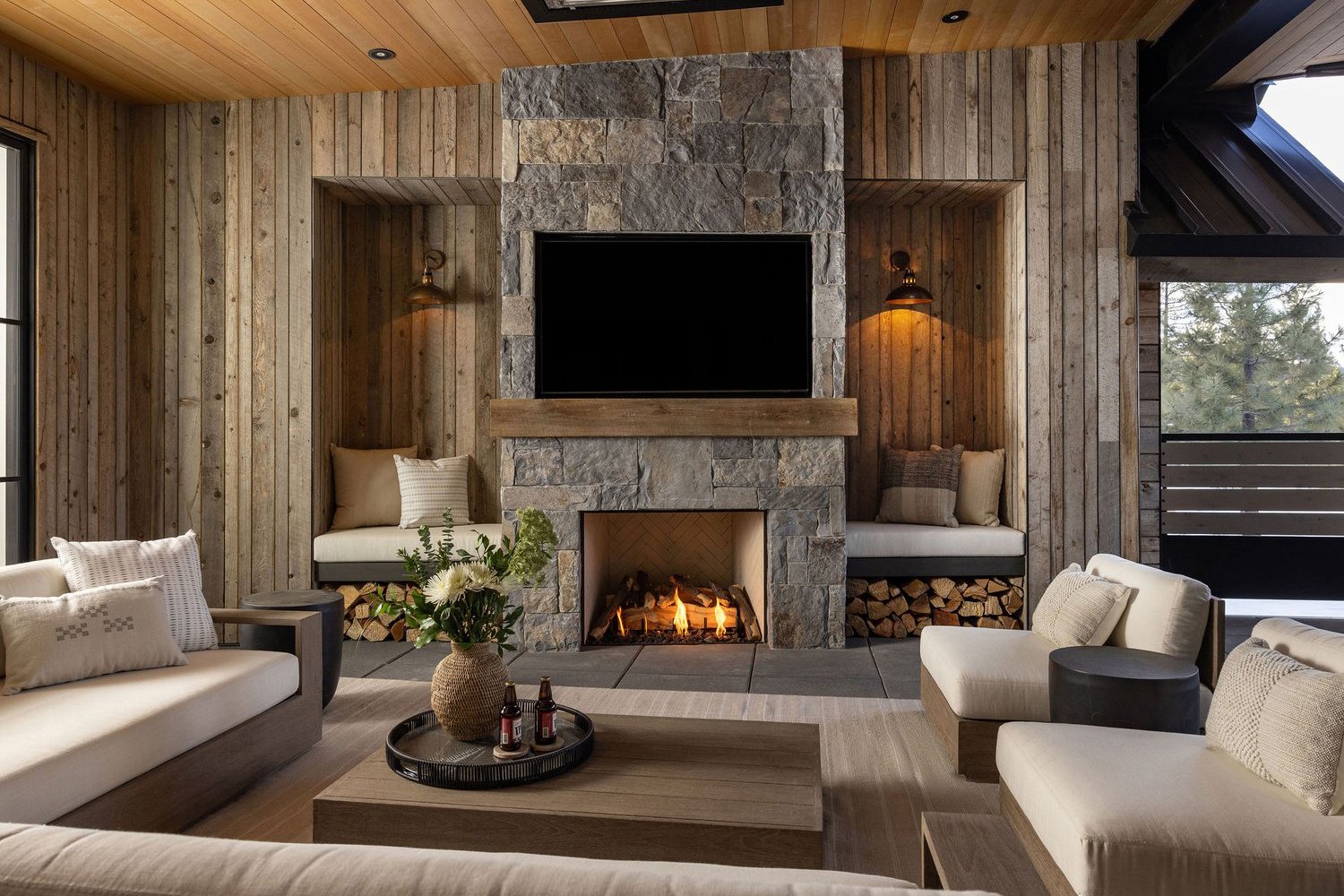
Rustic Interior Design Trends 2026
Image courtesy of Marsden Architecture
Designer Mood Board: Rustic Style Interior Design
For this mood board, I selected a rustic home that reflects where the Rustic Modern Revival is clearly heading. High-arched ceilings with dark exposed wood beams create architectural drama, while warm-toned wood flooring and ceilings create continuity throughout the open-concept living, kitchen, and dining areas. Rich natural wood cabinetry paired with black marble countertops introduces contrast, elevating the kitchen beyond traditional rustic styling.
What makes this example especially relevant for 2026 is its refined restraint. Black accents punctuate the warm wood tones and white walls, adding definition without overpowering the space. A stone fireplace in layered gray, brown, and cream tones grounds the living area, while contemporary lighting and modern furnishings prevent the interior from feeling heavy or lodge-inspired.
In my work, I see rustic design moving decisively toward this balance of raw and refined. When rustic materials are paired with clean lines, luxurious finishes, and intentional contrast, the result is sophisticated and enduring — a nature-connected interior that feels elevated rather than nostalgic.
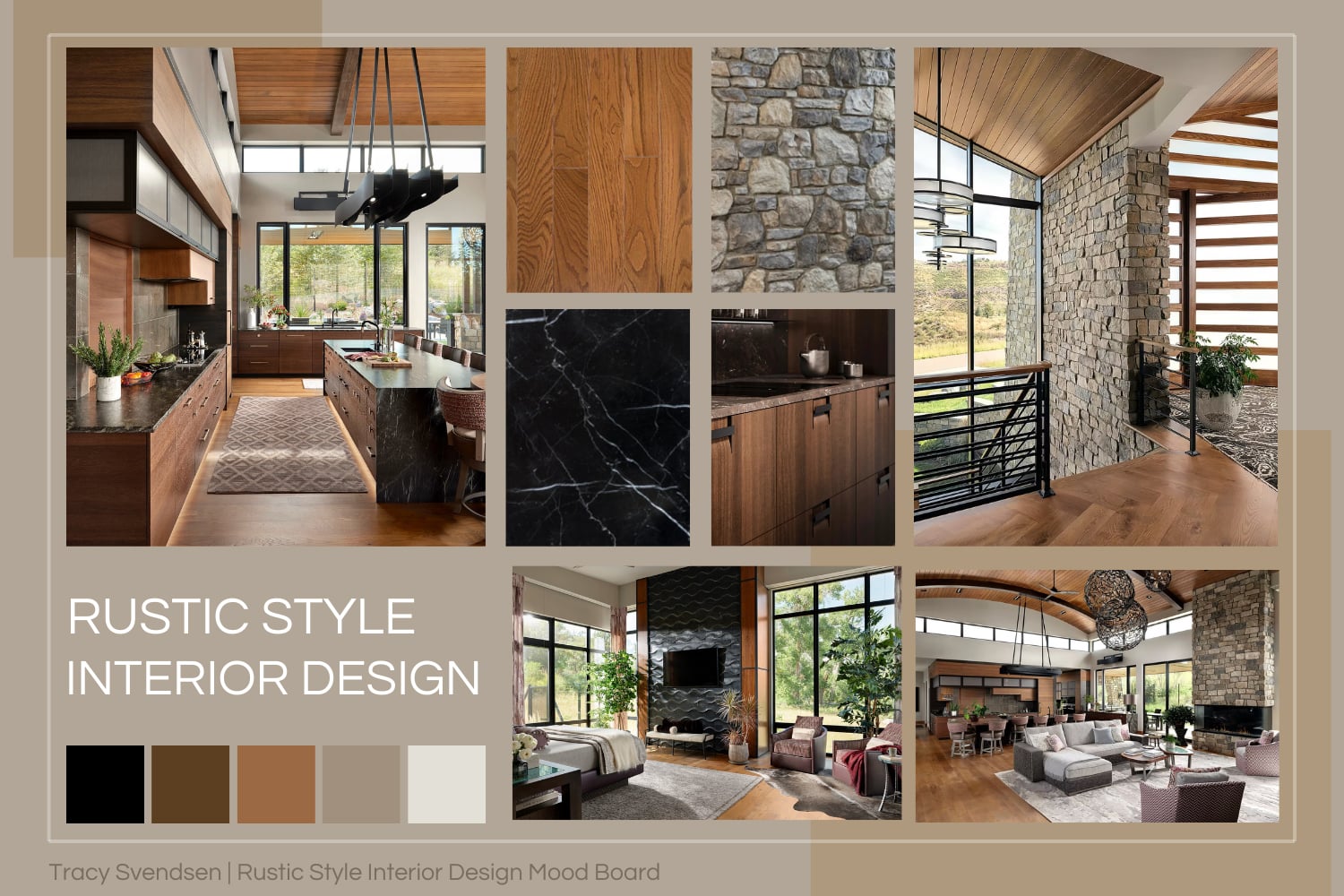
Rustic interior style mood board by Tracy Svendsen blending exposed beams, natural wood, black marble, and contemporary furnishings for a refined 2026 aesthetic.
1. The Rustic Modern Design Revival: Blending Structure & Contrast
The Rustic Modern Revival is the dominant aesthetic, defining the look for 2026. This style is not about discarding your rustic home’s character; it’s about fusing rustic warmth with modern functionality. It represents a sophisticated evolution, deliberately moving away from the overly heavy, cluttered, or distressed log cabin looks of the past.
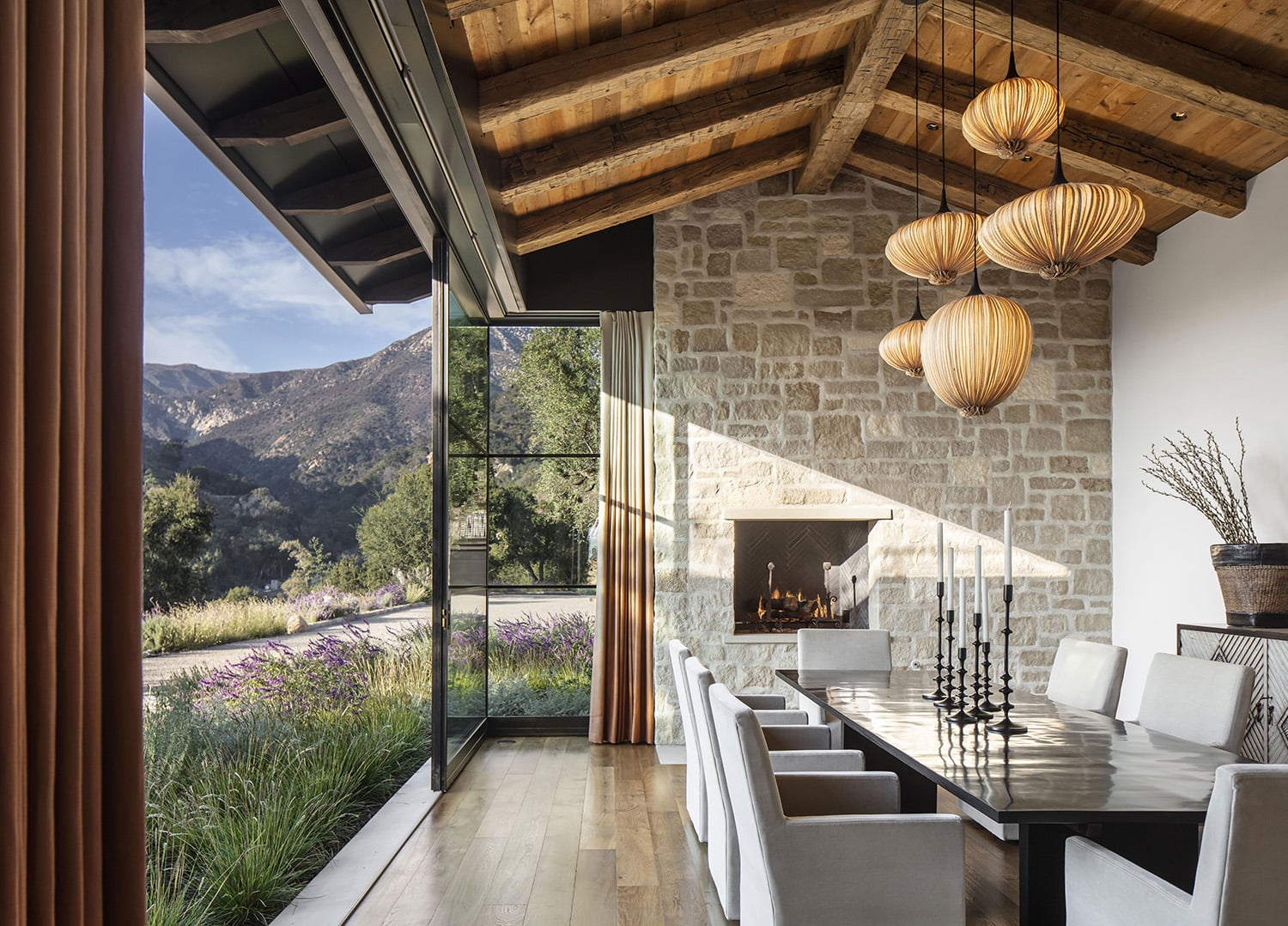
The Modern Rustic Revival
Image courtesy of Abramson Architects
The Architectural Blend
Natural elements that complement log or timber-frame homes will be paired with clean, contemporary finishes. The aesthetic relies on rich natural wood tones (specifically, medium-to-dark walnut is preferred over light pine) and layered textures, all underpinned by clean, simple lines in the furniture and overall architecture. This approach allows classic log-home materials, like exposed wooden beams, to feel crisp and modern when juxtaposed with sleek elements such as smooth drywall or glass.
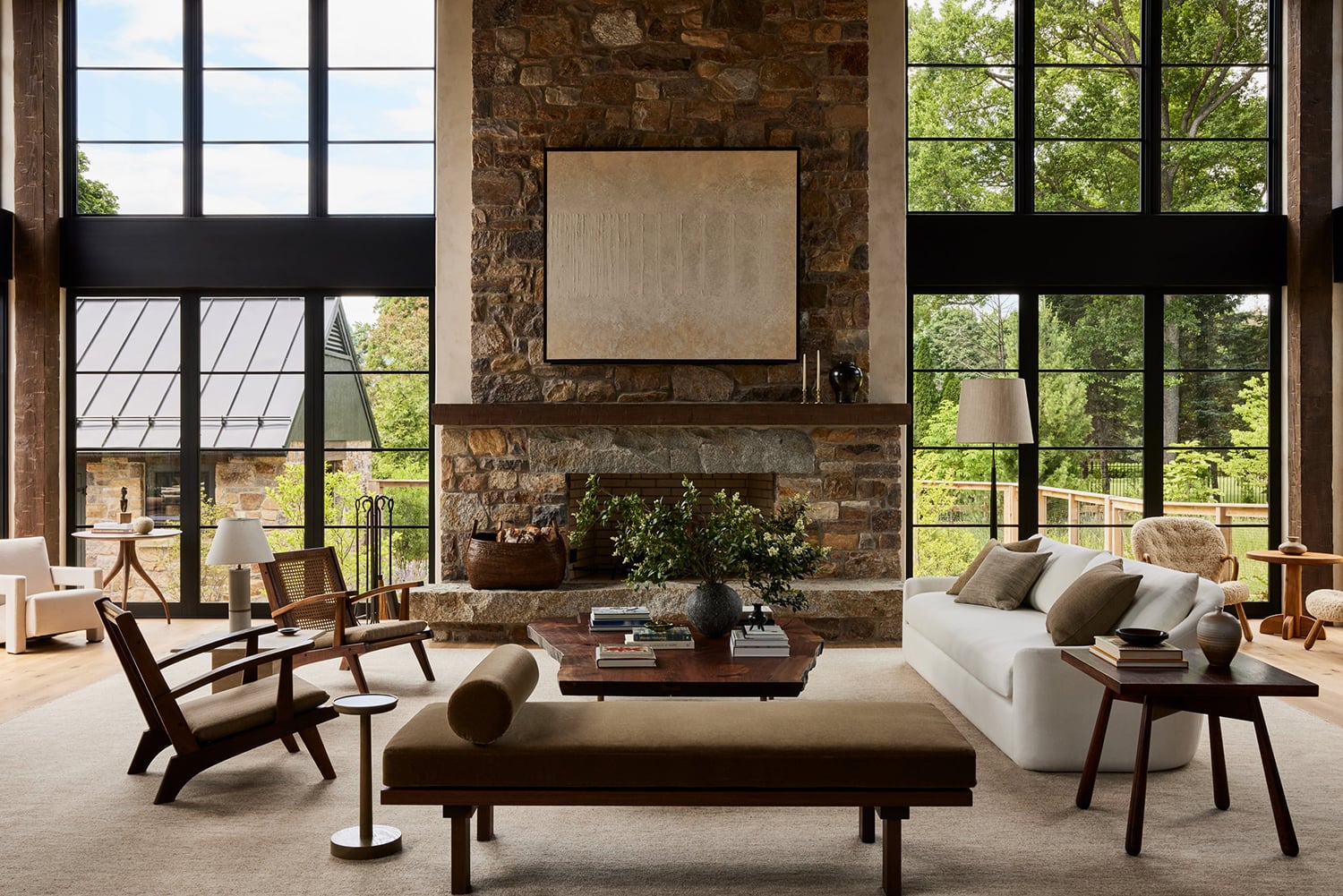
Modern Rustic Living Room with Contemporary Furniture
Image courtesy of Ursino Interiors (Nicole Franzen Photography)
Nature-Inspired Modernism
The goal is to honor the land while embracing refinement. This shift is what Top Sonoma Real Estate Agent Caroline Sebastiani calls “Nature-Inspired Modernism,” noting that homes are being designed to feel like seamless extensions of the land. This sophisticated design aesthetic relies on natural, textural materials, such as:
- Raw and reclaimed wood beams and finishes.
- Walls treated with organic materials like limestone, travertine, and natural plaster, which add tactile depth without heavy pattern.
As Sebastiani perfectly explains, the beauty of this evolution lies in the contrast: “Clean, minimalist lines meet organic materials to create homes that are sleek yet earthy.”
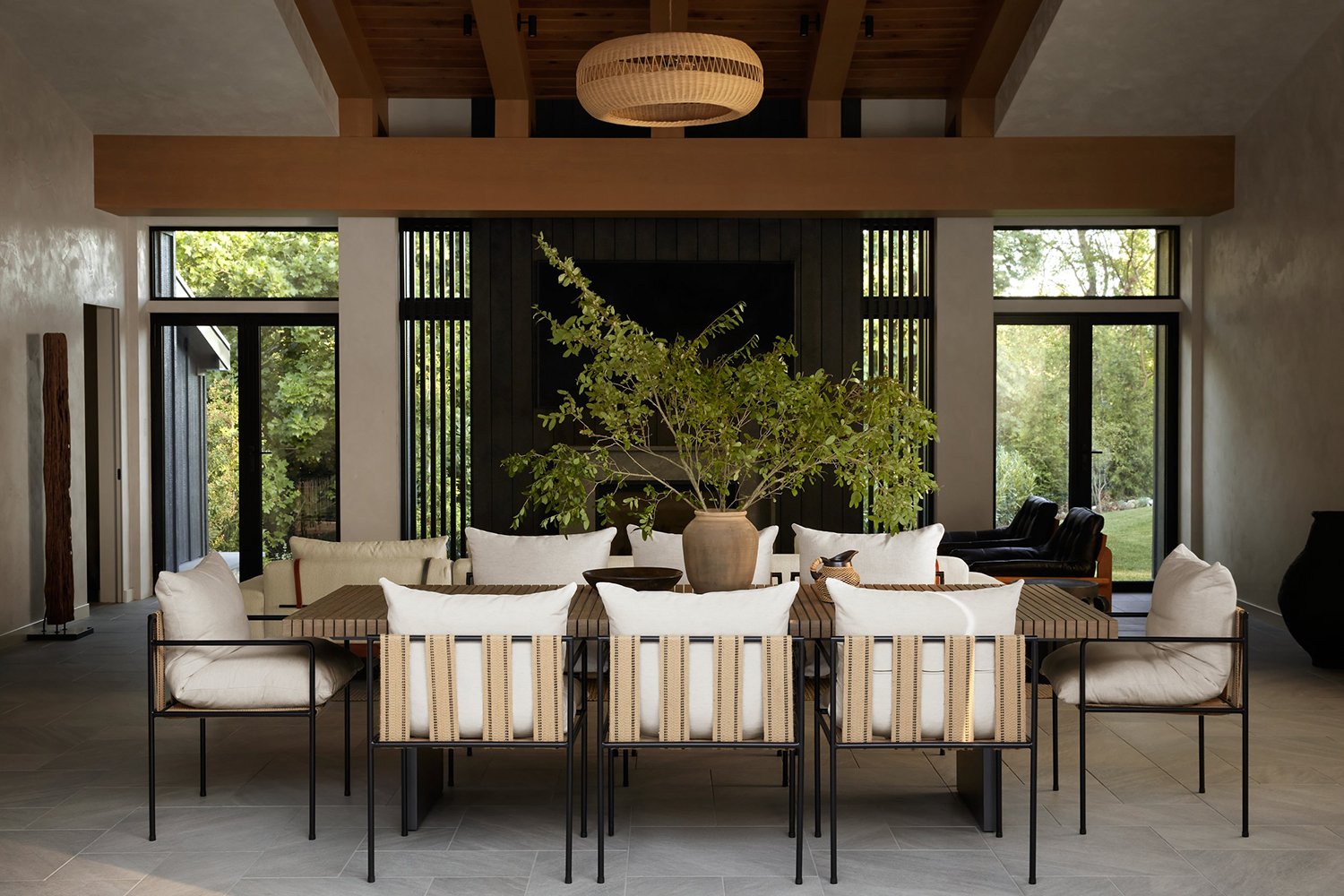
Modern Rustic Dining Room with Wood Beams & Plaster Walls
Image courtesy of Brittany Hakimfar
2. Biophilic Design: Creating a Nature-Connected Sanctuary
To achieve a deep connection to nature through design—the primary goal of biophilic design—one must focus on maximizing natural light and views, as well as integrating live elements. Fortunately, rustic design provides the perfect foundation for this movement: it is intrinsically biophilic, naturally prioritizing raw, unfinished wood, natural stone, and earthy materials.
These structural elements serve as the essential starting point for promoting indoor-outdoor flow and creating a truly restorative space. The integration of live plants and water features adds essential, living energy to the design.
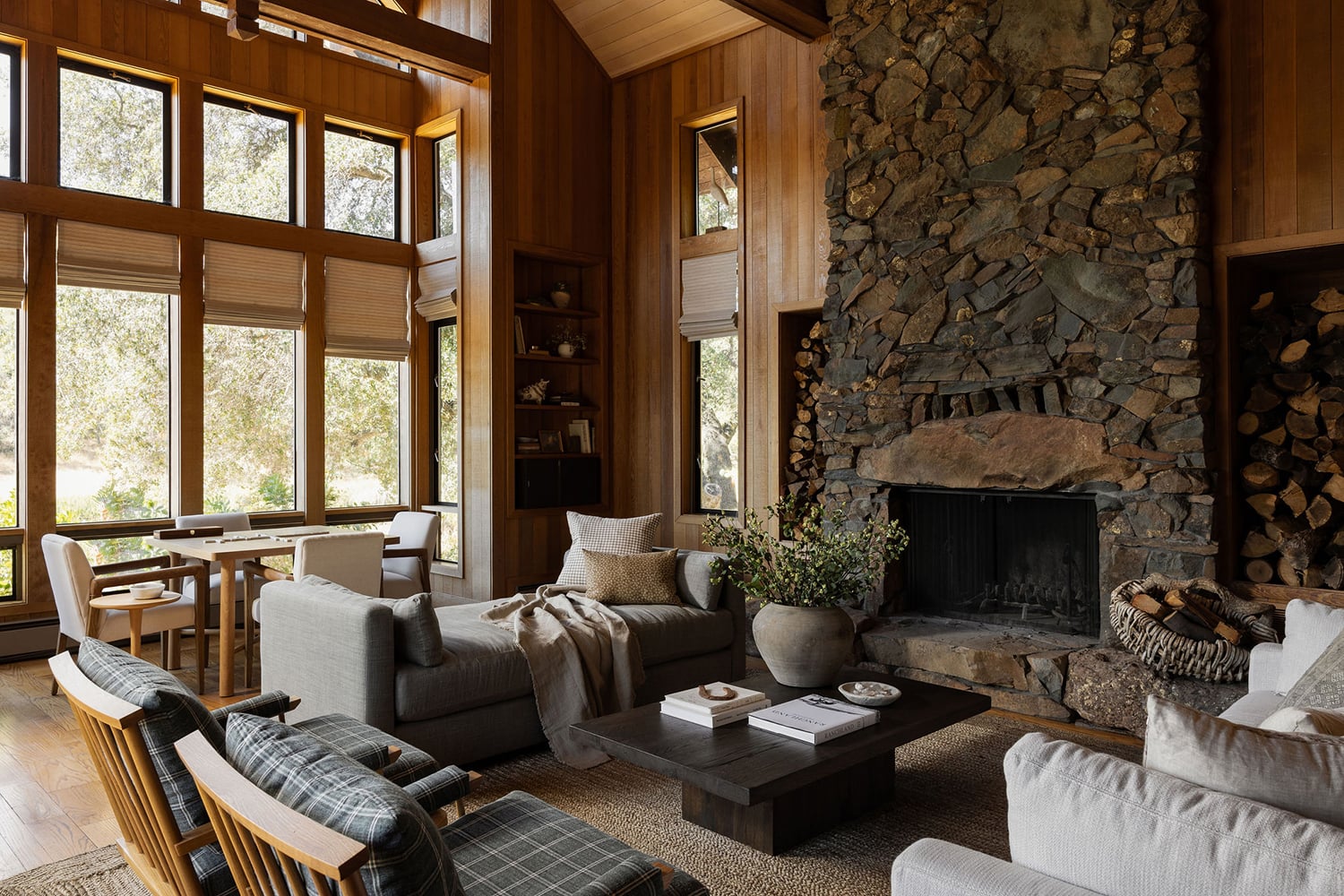
Biophilic Design in Rustic Style Spaces
Image courtesy of Design Shop Interiors
Sculptural Plants: Move beyond standard small pots. Seek out sculptural, architectural varieties (like large indoor trees or Fiddle Leaf Figs). Use weighty hand-thrown terracotta or stone planters to anchor these plants, ensuring their scale harmonizes with the rustic dominance of the wood and stone.
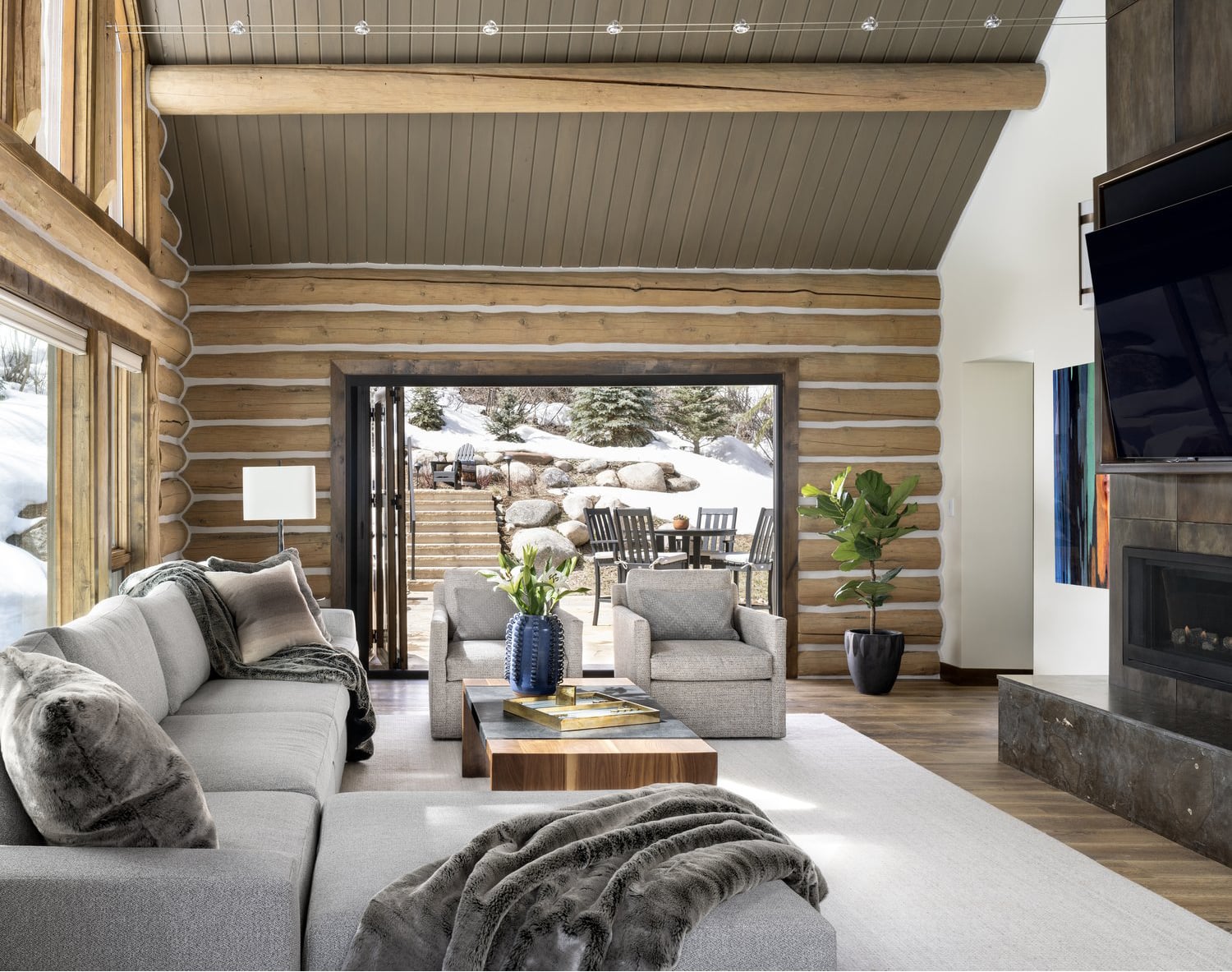
Modernized Handcrafted Log Home
Image courtesy of Dowe Studio
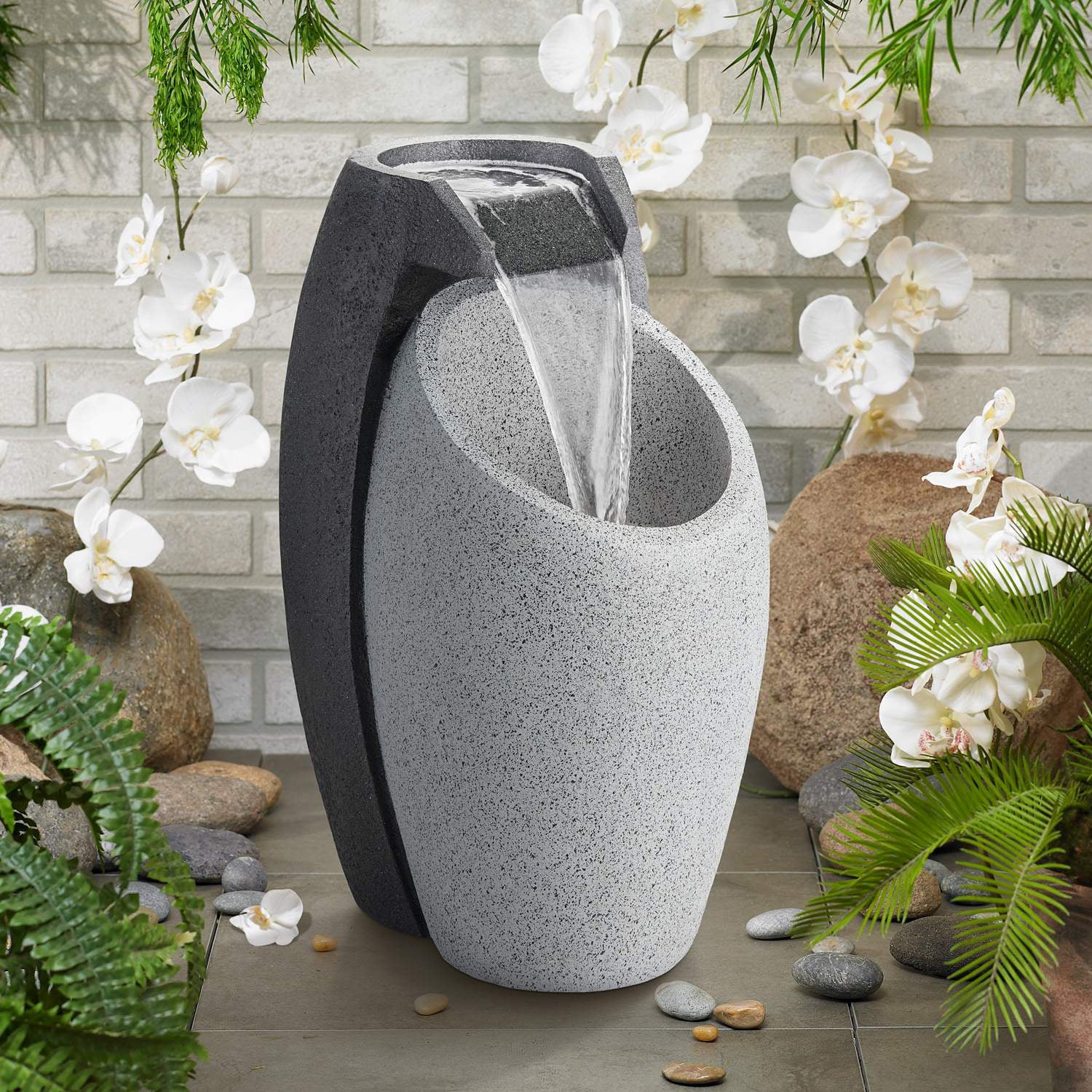
Subtle Water Sounds: The gentle sight and sound of moving water are incredibly calming and vital for a biophilic interior. Cultivate serenity by introducing a subtle water feature—such as a tabletop fountain with a gentle trickle or a sleek, stone-look indoor water wall placed in a quiet refuge—to supply continuous, natural white noise.
3. The New Material Play: Contrast & Texture
Rustic design, with its fundamental natural palette, perfectly aligns with the current 2026 trend, which demands rich, textural, and highly tactile surfaces in interiors. The key to the modern rustic aesthetic is creating deliberate visual tension by introducing contrasting materials.
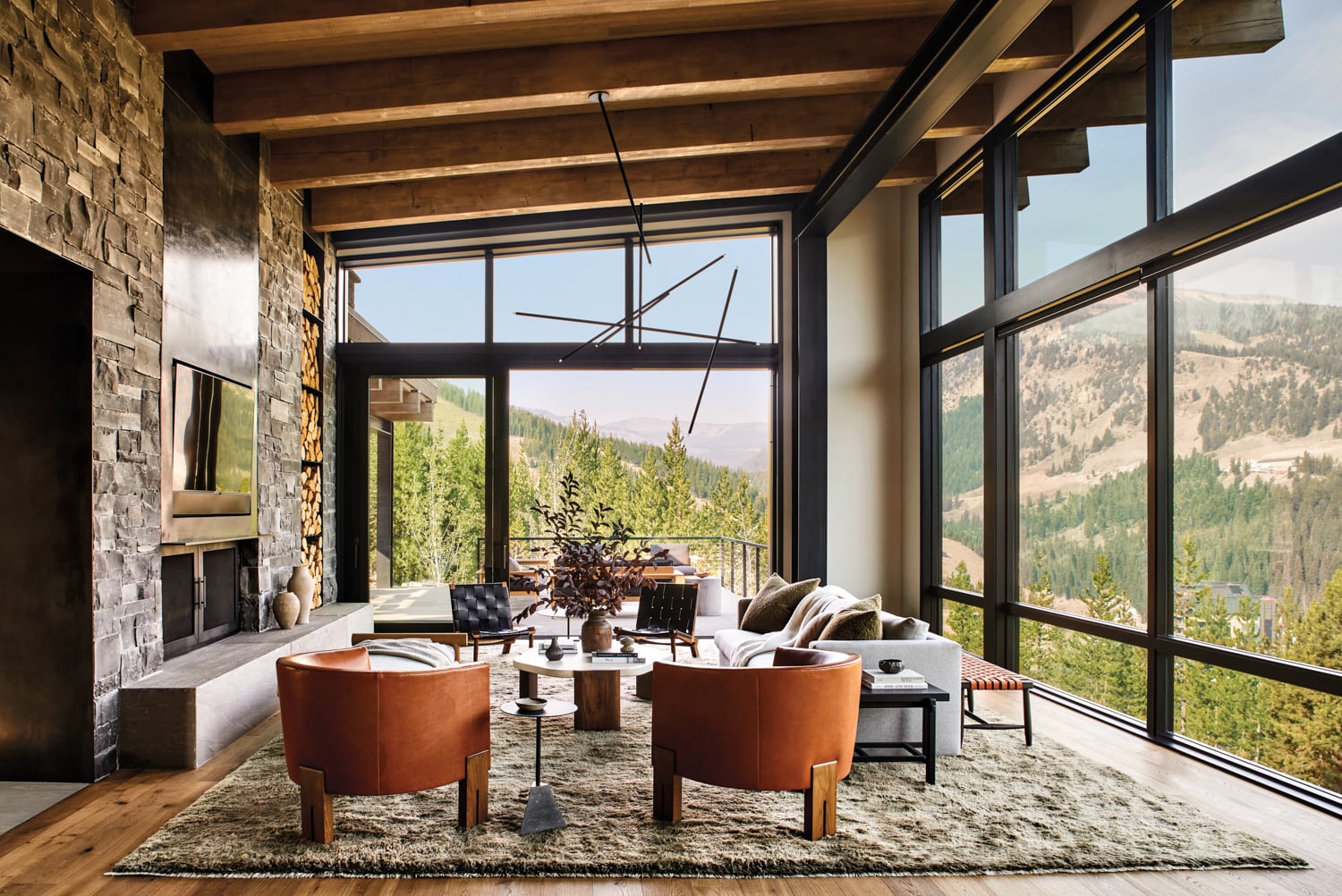
Contrast & Texture in a Rustic Interior
Image courtesy of Studio-Lifestyle
Elevating Wood Tones
If your home’s structure is made of wood, avoid a monochromatic look that can be overwhelming. To fully embrace the Rustic Modern Revival, layer in contrast. Introduce richness by using darker walnut or rich mahogany for furniture pieces, such as cabinets and tables. This variation provides necessary contrast against lighter logs or ceiling beams, instantly modernizing the aesthetic.
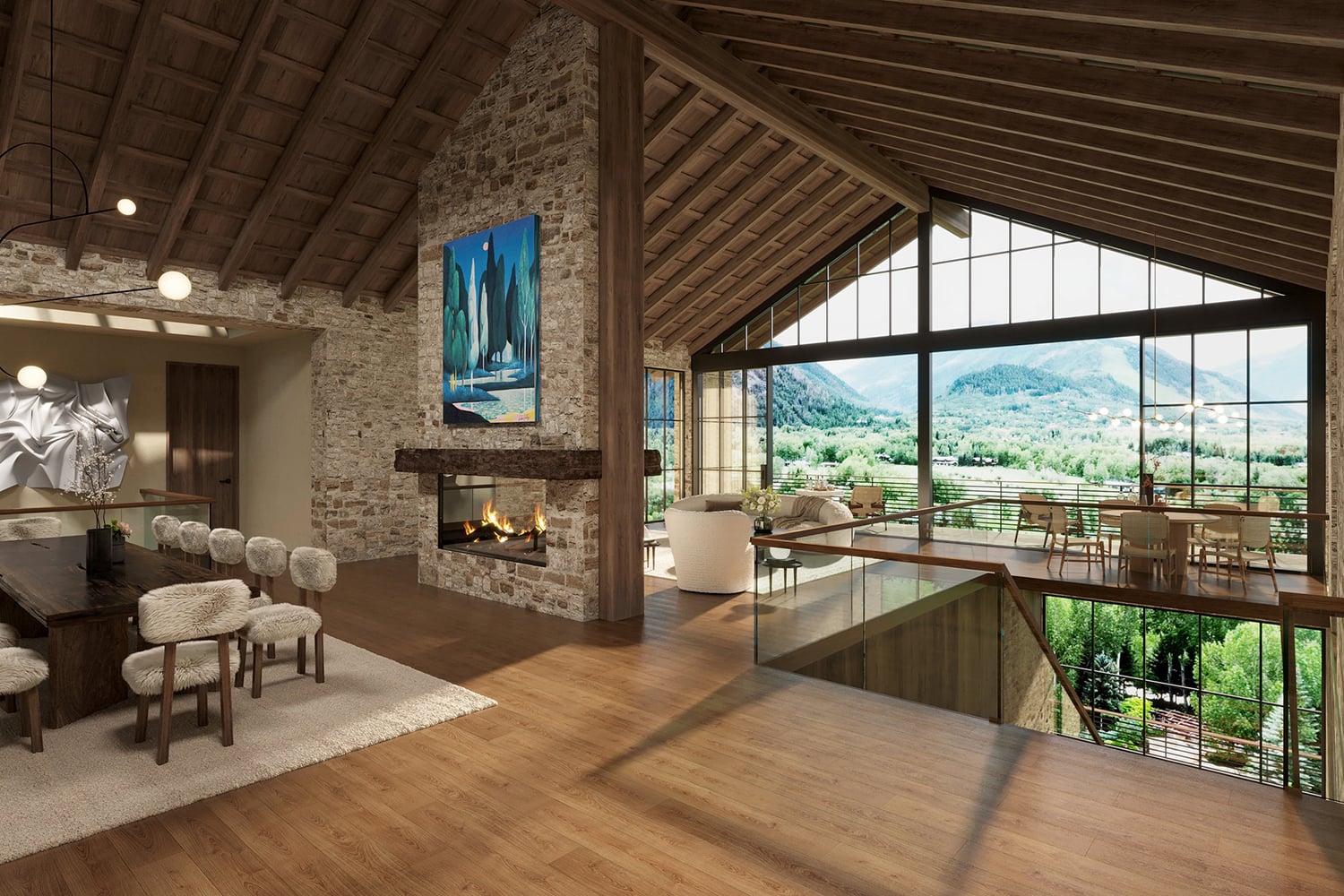
Contrasting Wood Tones
Image courtesy of Formm Studio
Stone Emphasis and Accent Placement
Stone is a powerful element that should be highlighted rather than simply existing. Emphasize the natural texture of stone throughout the design. If you have a stone fireplace, dramatically highlight its roughness with strategic uplighting. For modern accents, introduce distinct stone varieties, such as slate, granite, or river rock, in unexpected areas, like a luxurious shower floor or a textured kitchen backsplash.
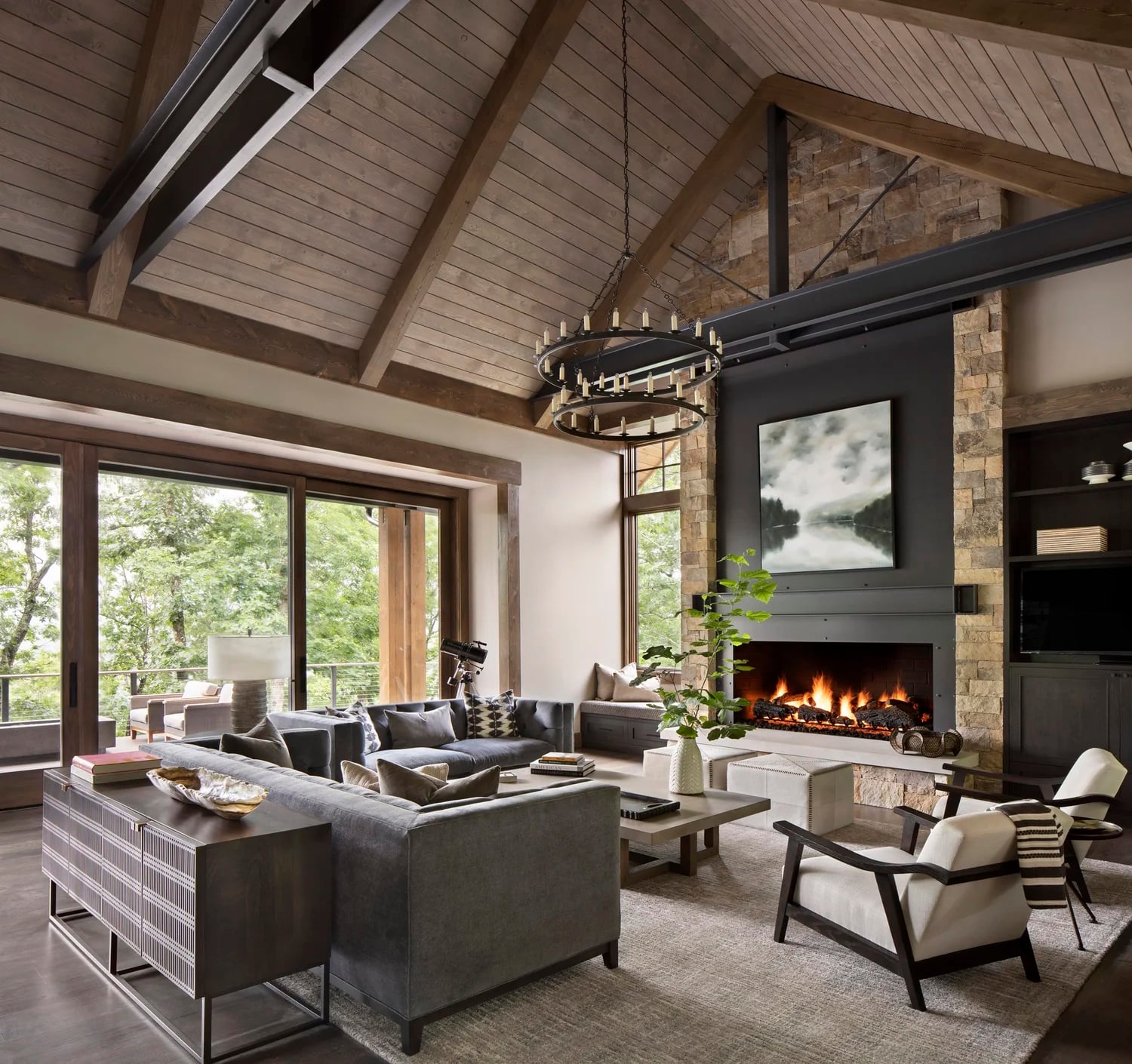
Stone Fireplace in a Modern Rustic Living Room
Image courtesy of Sarah Jones Interior Design
Artisanal & Imperfect Surfaces
This inclination rejects mass-produced, high-gloss perfection. Rustic design excels here because it prioritizes imperfection. The focus is on materials that convey age and authenticity, such as knotty wood, uneven stone, and hand-forged iron.
Consider incorporating tactile, handcrafted items such as limewash walls, hand-thrown pottery, unlacquered metals (such as brass/copper), and textured zellige tiles. Bring in handcrafted objects that display natural patterns, such as burl wood bowls, hand-carved mantels, and large ceramic vases with organic, imperfect glazes.
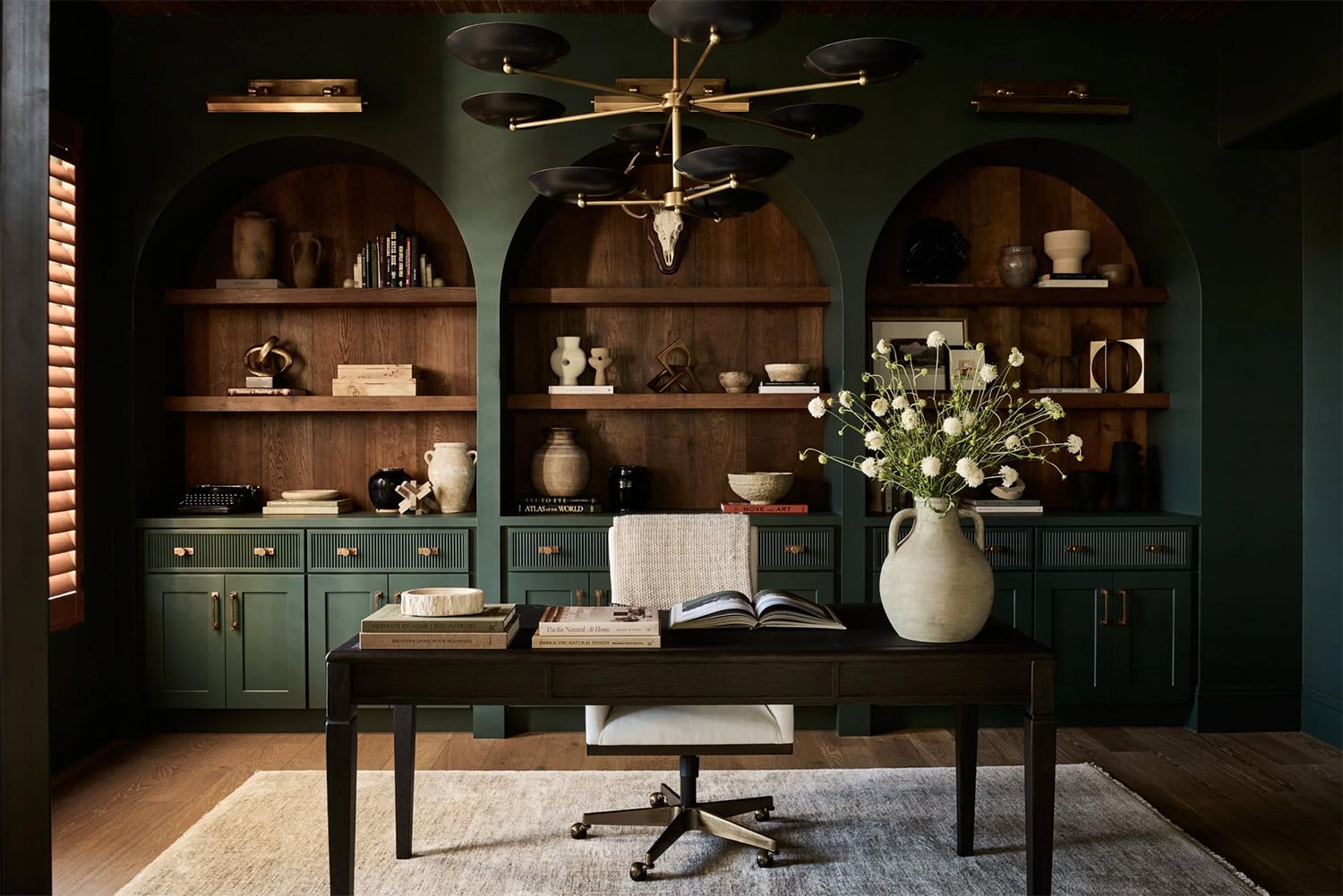
Artisanal Elements in a Modern Rustic Home Office
Image courtesy of Lexi Westergard
4. Fluted Textures
This new direction also highlights the importance of refined detail, adding a crucial layer of sophistication to the rugged, natural materials. Fluting involves the use of vertical grooves on materials such as glass and wood, and it is ideally suited to the modern rustic style.
Fluted Woodwork: Look for this detail on cabinetry, kitchen islands, and vanity fronts. It adds a subtle, rhythmic texture and depth, elevating a simple wooden surface without relying on traditional shiplap or beadboard.
Fluted Glass: Fluted or reeded glass is popular for interior doors, cabinet inserts, and lighting fixtures. It provides privacy by obscuring the view while still allowing light to diffuse softly, a perfect solution for functional areas like kitchen pantries or bar cabinets.
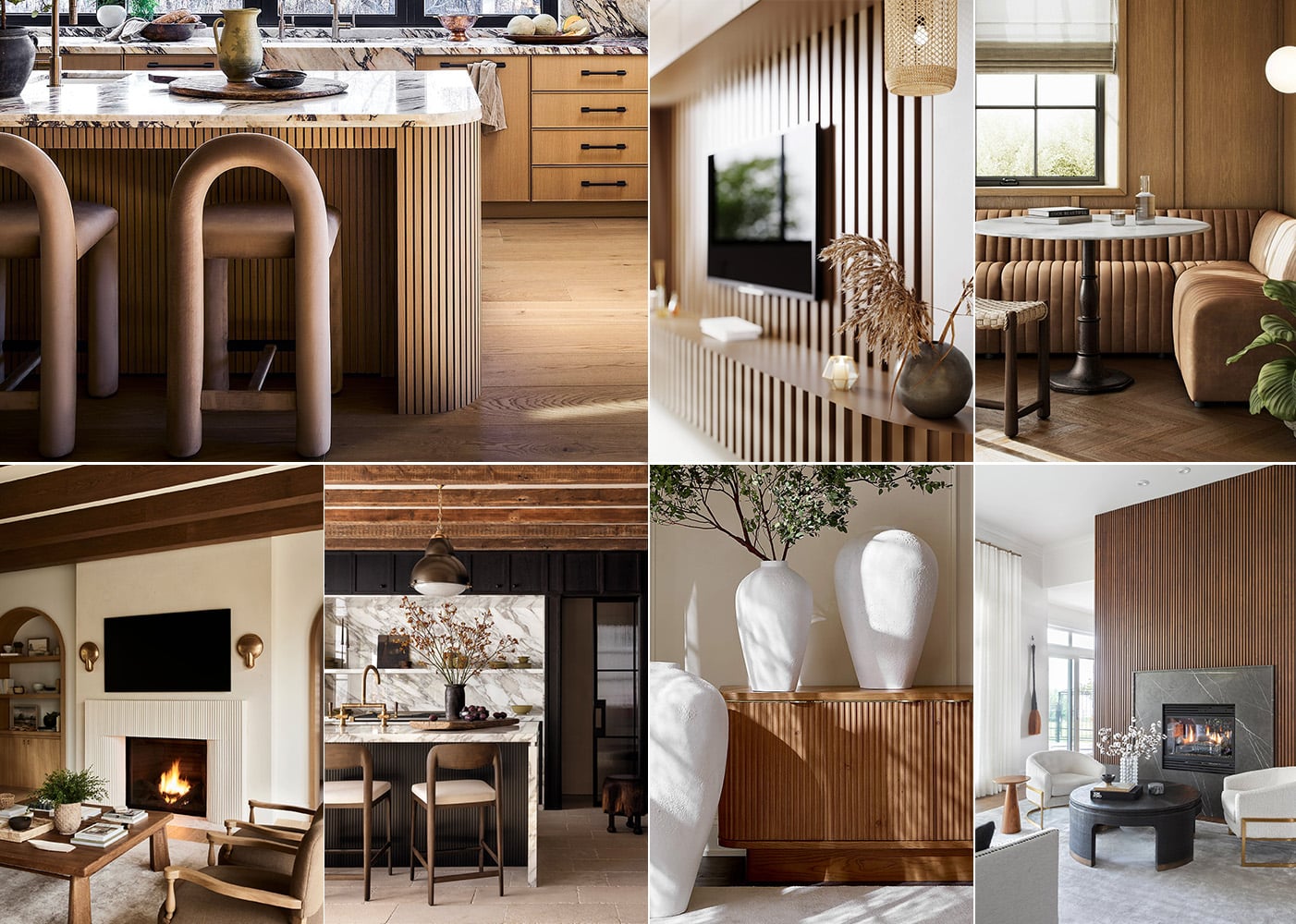
Fluted accents mood board by Tracy Svendsen
5. The Evolving Metal Palette
The shift away from generic finishes is crucial for modernizing rustic interiors. Matte black is waning in traditional home design, as designers are actively seeking finishes with nuance and history or that add a contemporary feel to a space. I believe matte black will remain a prominent design feature in rustic homes in 2026, providing a powerful contrast to warm wood tones.

Matte Black Beams Paired with Warm Wood Tones
Image courtesy of Marsden Architecture
Aged & Soft Metals
The new movement favors softer, richer, and aged metal tones. Think smoky pewters, oil-rubbed bronze with new hues, and aged, brushed brass that develops a beautiful patina over time. These finishes complement the warm, earthy palette of the Rustic Modern Revival much better than stark black.
Designed by Jobe Corral Architects, this Southwestern home features a custom copper fireplace that serves as a dynamic, sculptural focal point. The copper’s warm hues and dramatic finish contrast beautifully with the tactile rammed earth detailing on the wall and the surrounding white walls, adding both warmth and striking visual interest to the space.
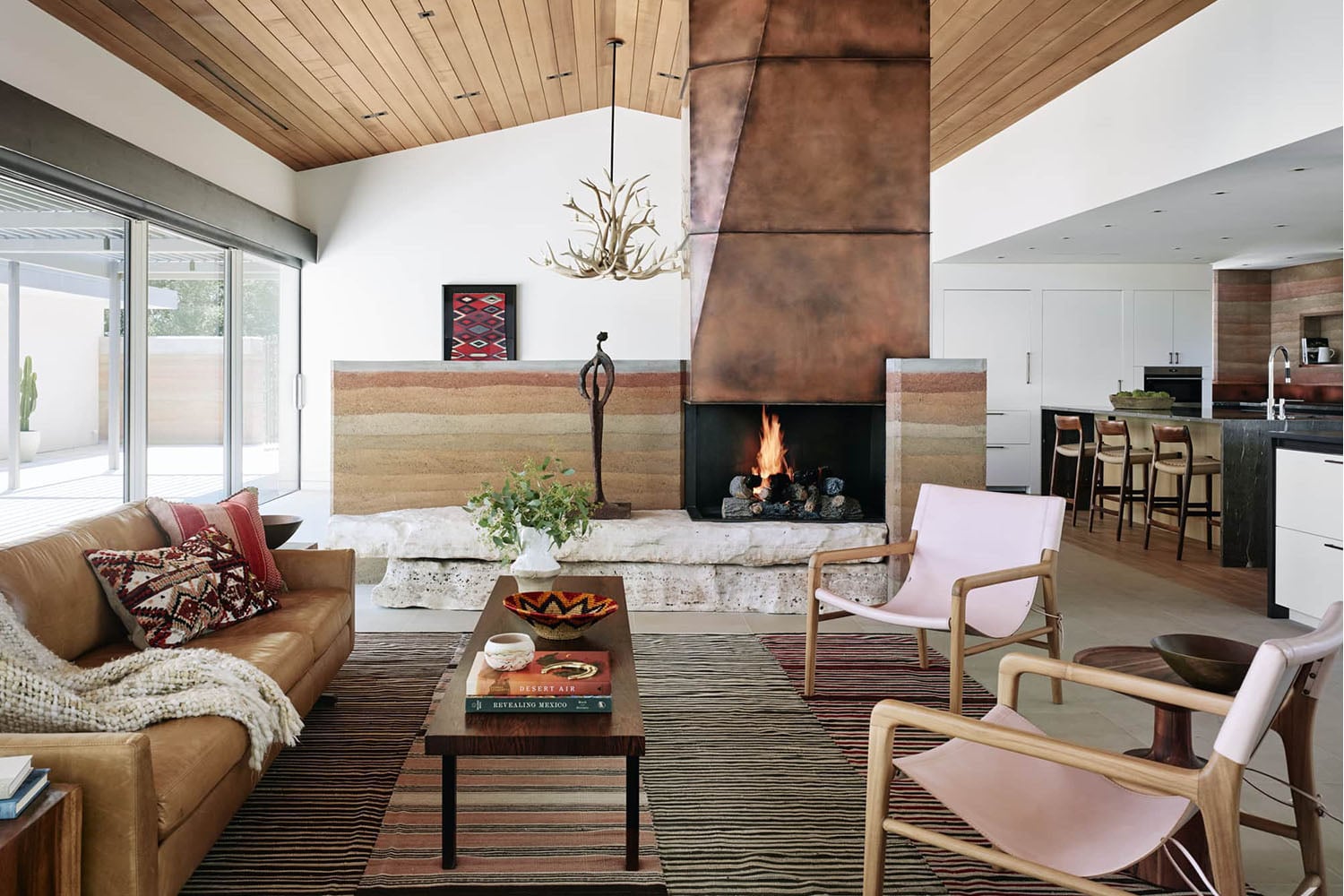
Southwestern Fireplace with Copper Accents
Image courtesy of Jobe Corral Architects
Stainless Steel Counterpoint
In the kitchen, stainless steel remains a cool and practical choice. Pairing it with the new warm metals and dark walnut cabinetry creates that ideal high-contrast, Rustic Modern look.
In a modern, organic, and traditional kitchen designed by Grace, of the Grace in my Space blog, two-toned walnut and white cabinets pair beautifully. Additional design features include light wood flooring, contemporary light fixtures, a farmhouse-style sink, and a stainless steel faucet complemented by warm metallic accents.
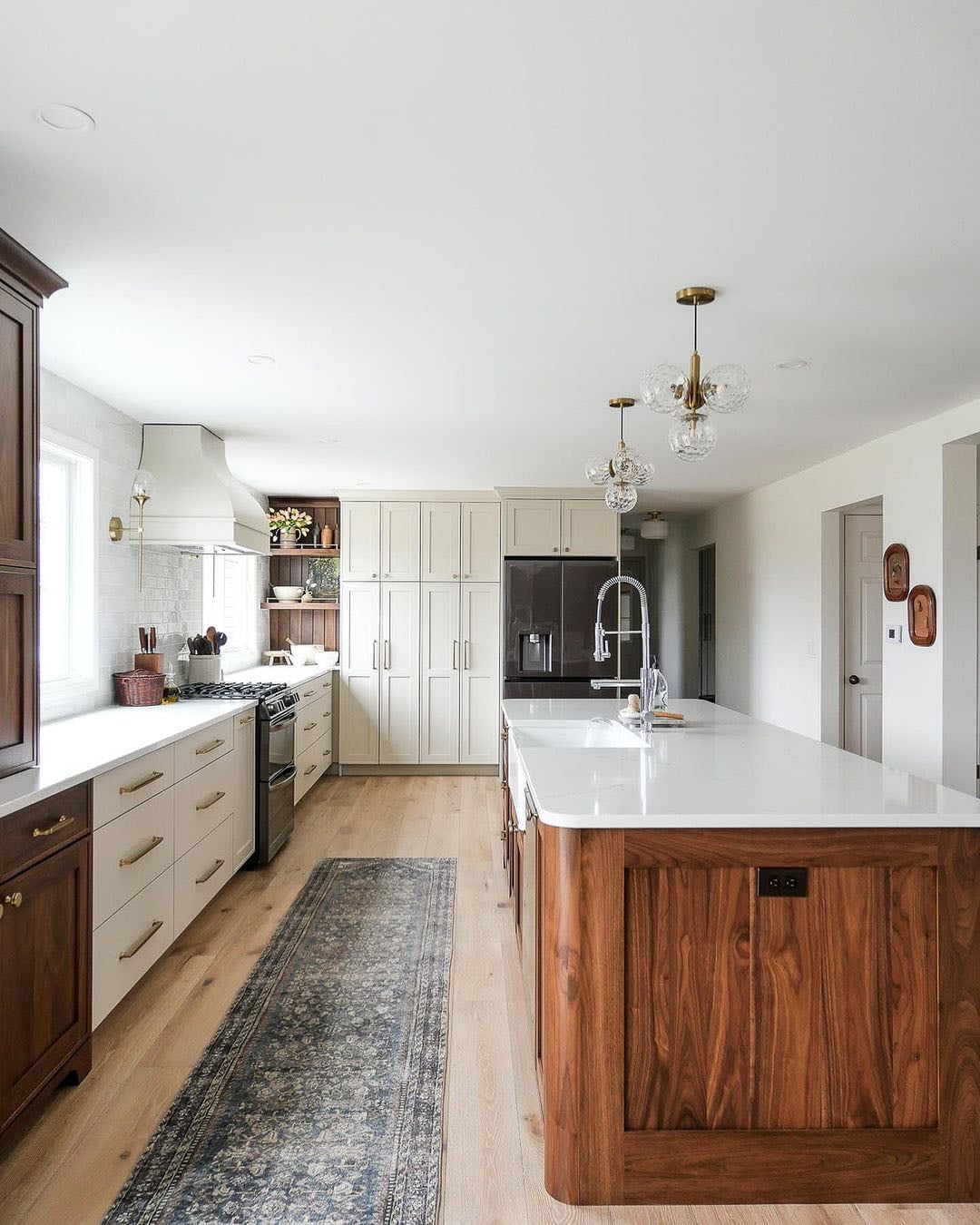
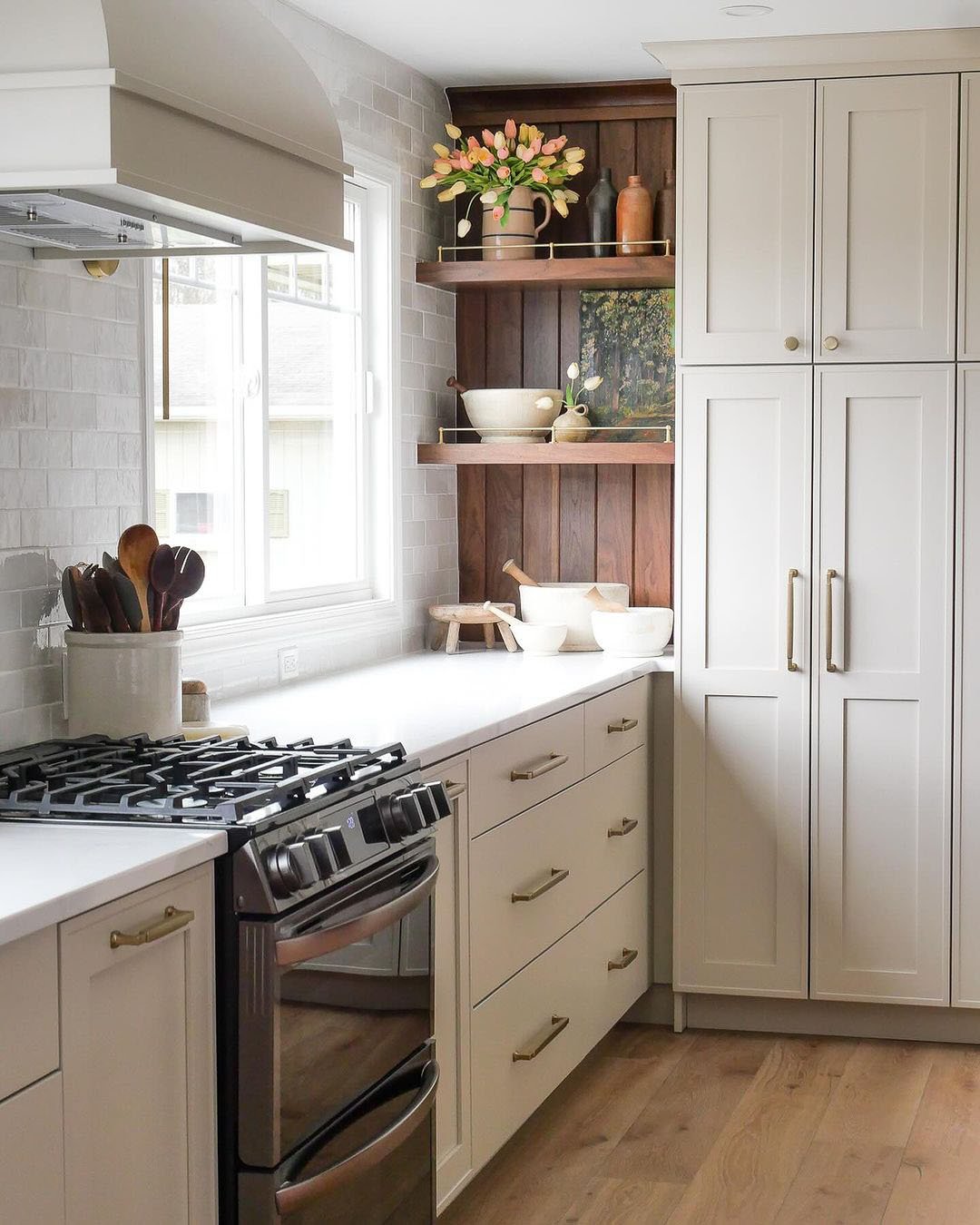
Walnut Kitchen Cabinets
Image courtesy of Grace in My Space
6. The Cozy Palette & Luxurious Textiles
The overall message for 2026 is simple: If it looks like it came from the earth, it’s trending. The shift toward warm, earthy, and cozy color palettes is significant, perfectly aligning with and modernizing the natural materials of a rustic home. The key is to use these new colors not just as paint, but as textile and accent layers that enhance the existing wood and stone, rather than trying to cover them up.
The Earth-Tone Palette: The top earth-tone colors for 2026 embody warmth and depth, creating a sophisticated and grounded aesthetic:
Foundation Neutrals: Sophisticated base colors, such as earthy tones like mushrooms and taupes, and creamy whites, replace cool grays and stark whites.
Grounding Greens: Nature-inspired shades, such as olive, sage, and deep forest greens, anchor the design.
Rich Accents: Compelling pops of color, such as mahogany, plum, terracotta, burnt orange, and rust, are used sparingly in decor and art.
Located on a wooded lakefront lot in Hartwell, Georgia, this newly constructed home, designed by David Frazier, presents a modern interpretation of the classic lake cabin. A rich interior palette, featuring European oak, native tumbled stone, blackened steel, and boldly veined marble, sets a warm, textural backdrop for contemporary, tailored furnishings and lighting.
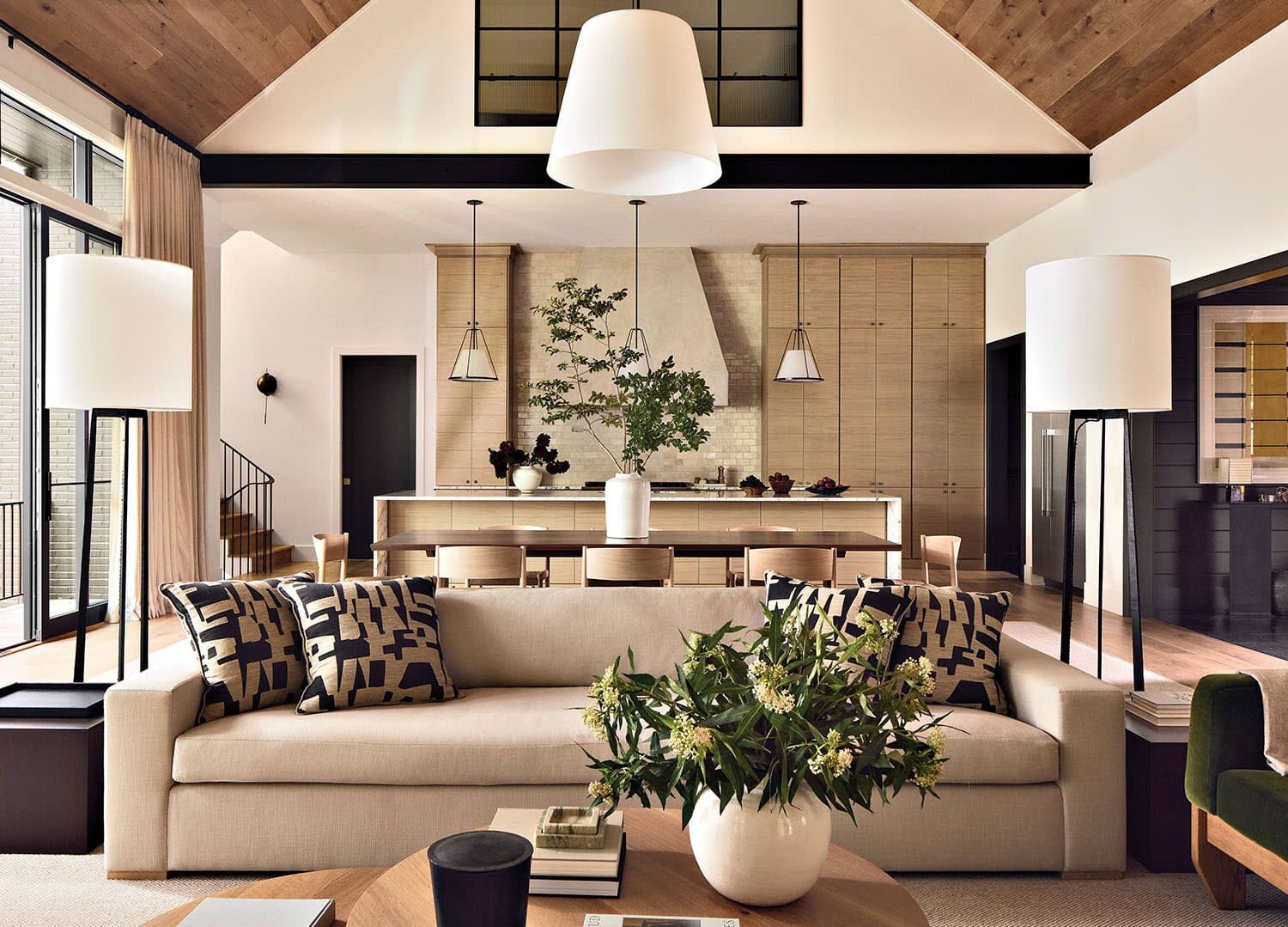
Earth-Tone Palette in a Modern Rustic Living Room
Image courtesy of David Frazier Design (Gieves Anderson Photography)
Cozy Textiles and Layered Comfort
Elevating your fabric choices is the quickest way to achieve the Rustic Modern Revival look. Swap out synthetic fabrics for luxurious, heavyweight natural fibers—layer spaces with chunky knit throws, plush cushions, and earthy textures. Layer hand-tufted wool, sisal, or jute rugs over hardwood. Use thick, woven wool or natural linen throws on sofas and beds to add a touch of warmth and elegance.
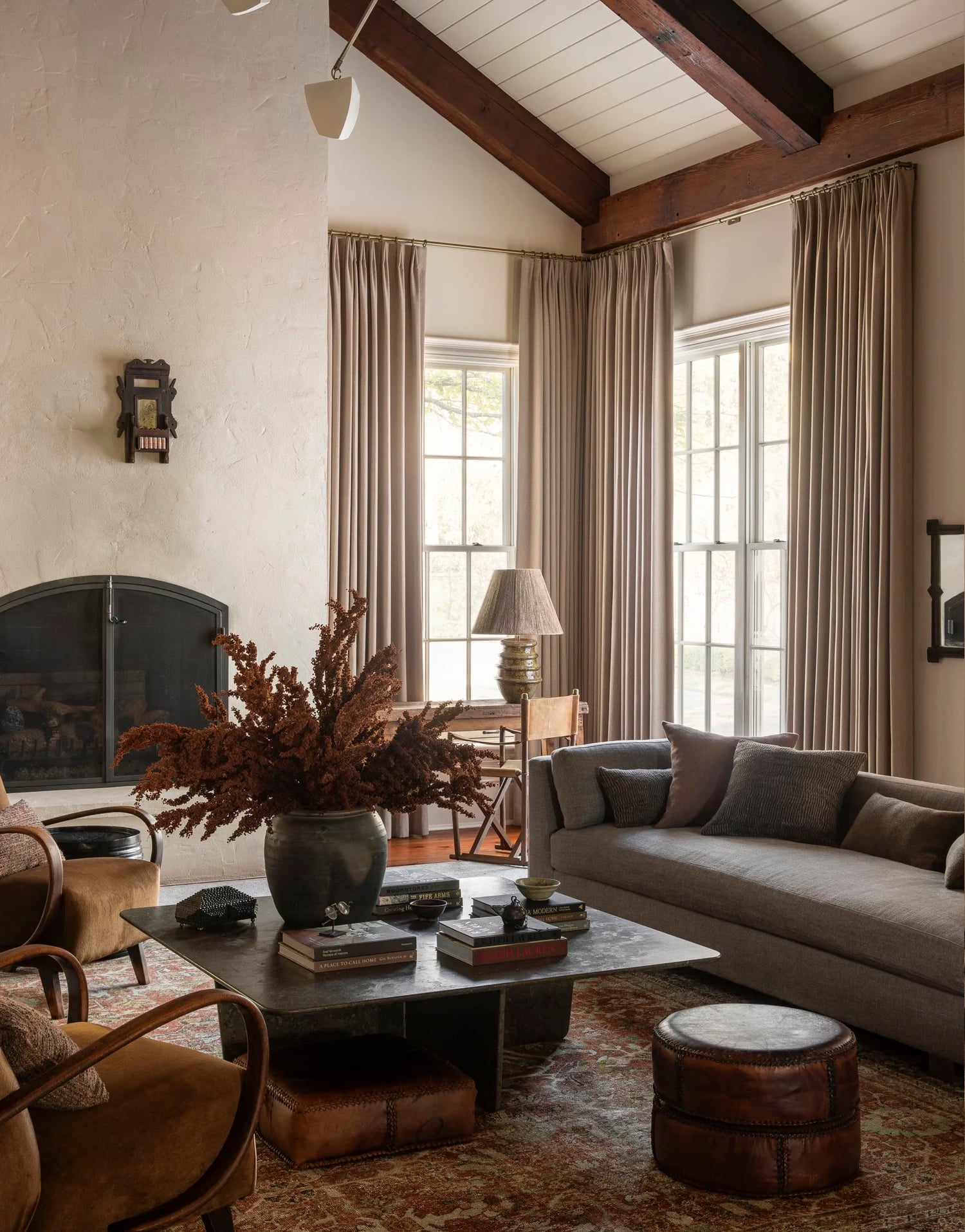

Layered Textures in Modern Rustic Interiors
Image courtesy of Sean Anderson Design
The Bouclé Factor
To instantly update an interior, prioritize bouclé—the defining cozy-modern fabric—and its textural relatives. Apply a warm, neutral-toned bouclé to a main sofa or a pair of swivel chairs; this strategic use of texture effectively softens the sharp lines and angles of surrounding rustic furniture.
In a home designed by Eric Olsen, a strong connection to exterior spaces is achieved through large openings, and the house’s aesthetic remains warm and organic, thanks to dark-stained knotty cedar, Texas limestone, and corrugated metal roofs. The living room features a large sectional with velvet and bouclé accent chairs.
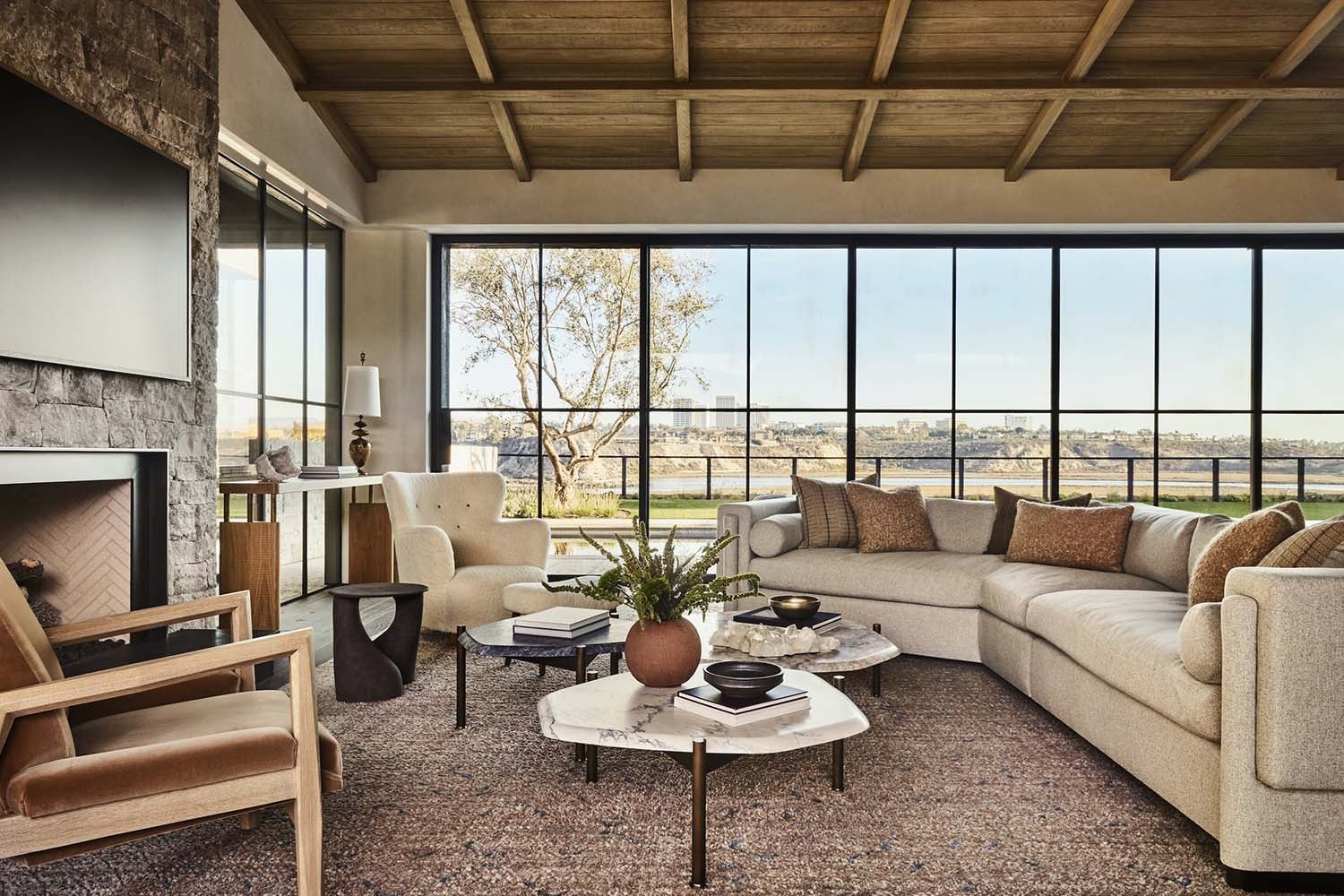
Modern Rustic Living Room with Bouclé Accent Chair
Image courtesy of Eric Olsen
Organic Accents
Organic accents are at the forefront of design this year and will likely remain so in the years to come. In a Spanish-style home designed by KES Studios, earthy, organic, and natural colors and materials, in shades of beige, honey, soft oatmeal, and light brown, provide a comfortable sensibility. Further organic details include bleached woods, honed limestone, limewashed plaster, wood beams, and greenery.
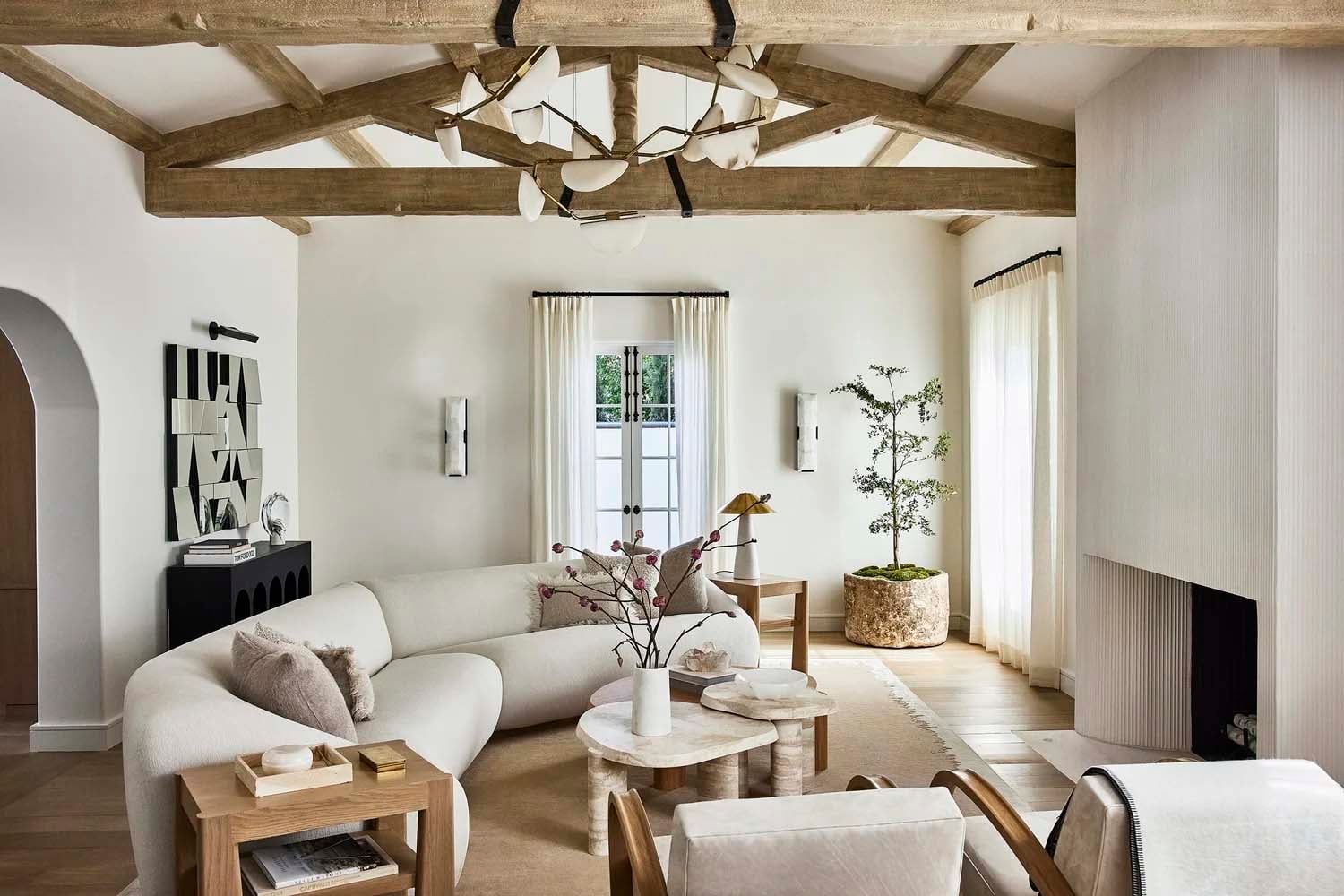
Modern Organic Living Room
Image courtesy of KES Studio
Leather
Supple leather furniture that develops a rich patina over time remains the ultimate biophilic luxury, adding heritage and depth. In a kitchen designed by Morrison Interiors, leather stools were incorporated in a soft buttery hue that pairs well with charcoal grays and light wood tones. Morrison adopted a palette of low-key, saturated neutrals to avoid competing with the art or the views of the surrounding landscape. Additional features include a herringbone tile backsplash, a two-toned kitchen island, and a marble hood.
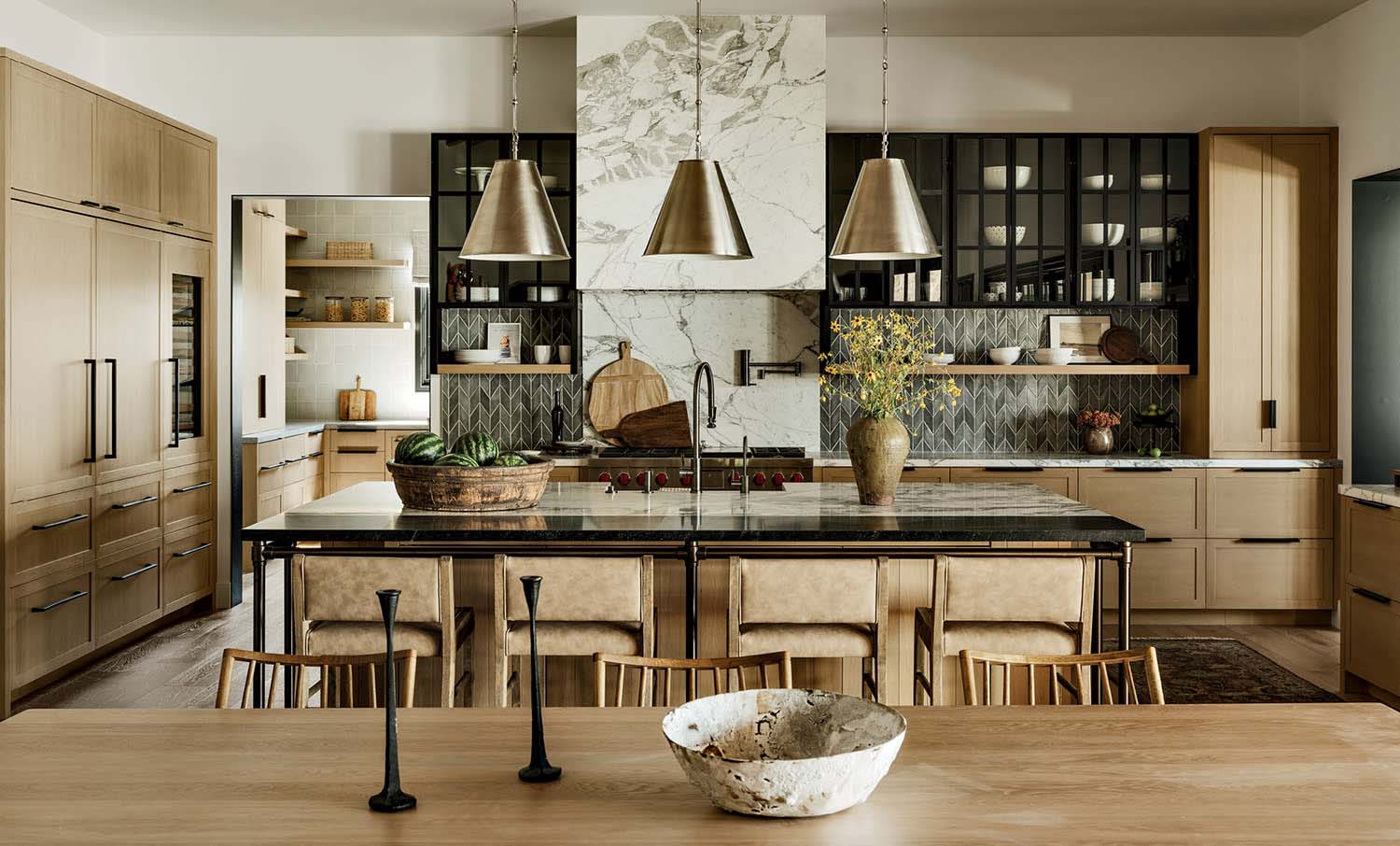
Leather in Modern Rustic Design
Image courtesy of Morrison Interiors
5. Soft Forms & Sculptural Furniture
There is a notable movement away from harsh angles, favoring design elements such as rounded corners, gentle curves, and “biomorphic” shapes found in arched doorways and voluptuous, soft seating. While traditional rustic style is typically characterized by angular elements (defined by squared beams and straight lines), the Modern Rustic Revival seamlessly blends these features. Introduce furniture pieces that contrast the straight lines of the logs with soft, organic shapes to keep your rustic retreat from feeling heavy or dated.
A rustic space is instantly softened by introducing a curved sofa or a round, live-edge coffee table—blending warm, natural materials with a contemporary, flowing silhouette. The core update involves reclaiming wood with modern lines. The wood must retain its character (knots, natural aging), but the final form must be clean.
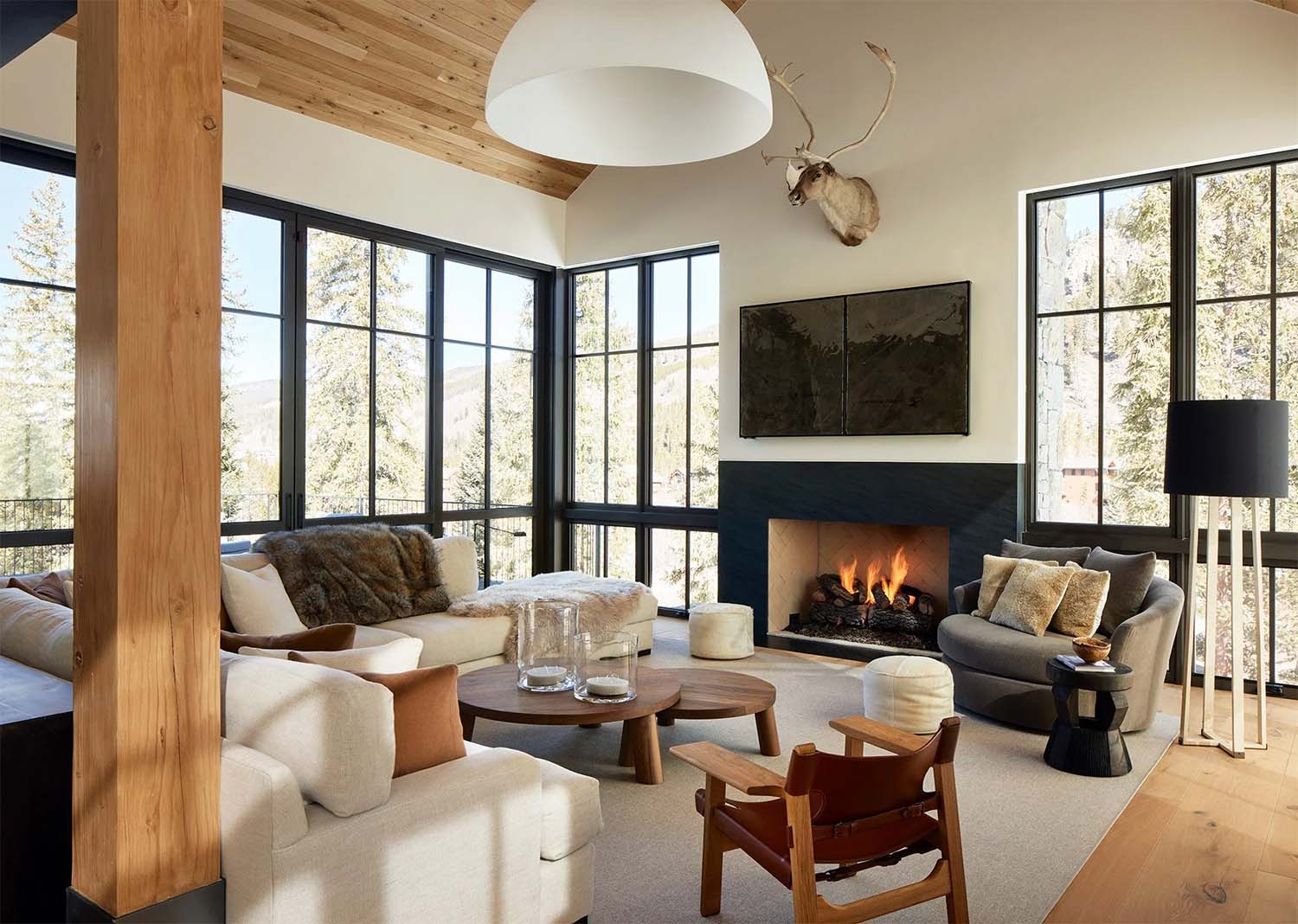
Modern Rustic Living Room with Sculptural Furniture
Image courtesy of David Frazier Design
6. Acoustic & Multi-Sensory Wellness
Homes are increasingly focused on multi-sensory wellness, moving beyond visual design to address how a space feels. This involves managing sound (via acoustic paneling and softening fabrics) and enhancing touch with heavy, comfortable textiles and raw finishes. This dedication to wellness is evident in the rise of luxury home amenities, such as spa-like bathrooms, high-end home gyms, and dedicated quiet zones for meditation.
Rustic design creates a deeply cozy and acoustically warm space through its generous use of textiles. The emphasis on materials like thick wool throws, natural linen, soft leather, and heavy, textured rugs absorbs sound. At the same time, the heaviness and mass of the wood and stone structure further contribute to a grounded, quiet ambiance.
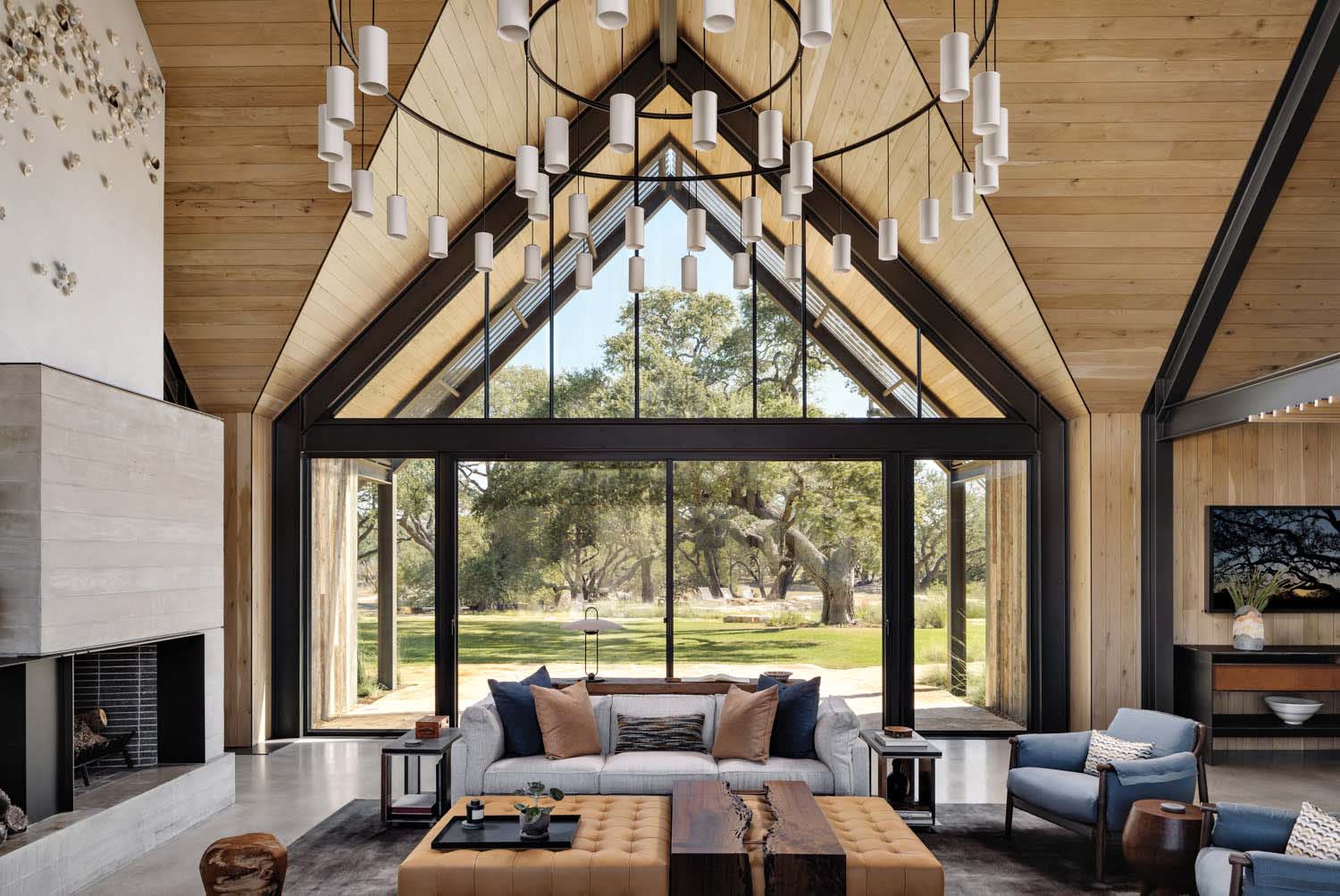
Comfortable Textures & Raw Finishes
Image courtesy of Eric Olsen Design
7. Layered & Sculptural Lighting
Lighting has evolved far beyond its mere functional purpose; it is now considered a key piece of art. The strategic combination of various light types is crucial for creating a cozy, sophisticated ambiance that feels both rustic and modern, yet seamlessly integrated.
A prioritization of fixtures that offer a bold, unexpected silhouette or showcase intricate, handcrafted details is key to elevating the rustic aesthetic. Select sculptural fixtures that utilize organic materials. Look for lighting made from Alabaster or Travertine Stone for a deep, warm glow, or Rattan and Seagrass woven into unique bell or drum forms.
Incorporate highly textured, avant-garde materials or use fixtures made from natural materials, such as woven hemp rope or hand-hammered metals (copper, bronze), to introduce organic shapes and textures.
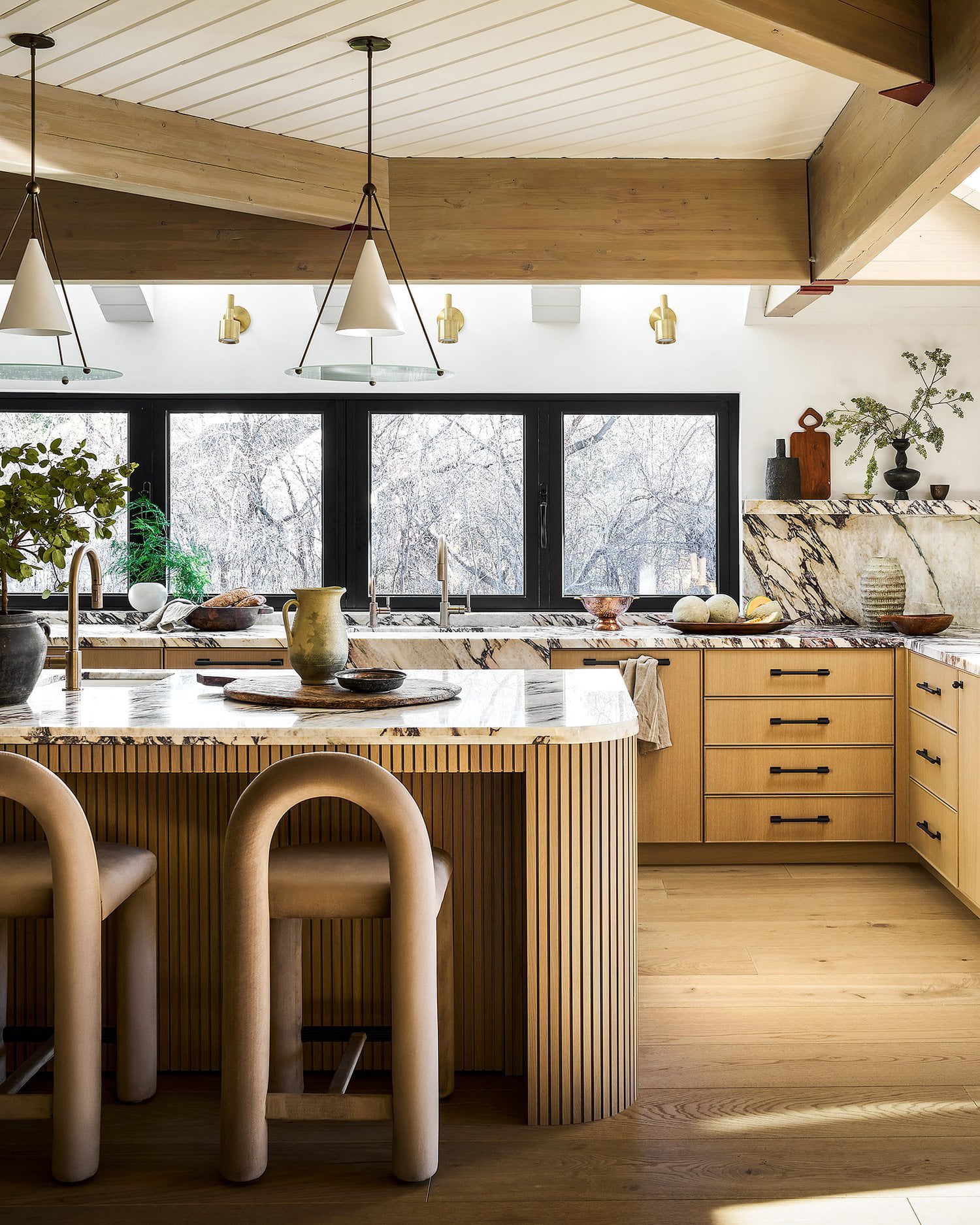
Lighting in a Modern Rustic Kitchen
Image courtesy of Alissa Johnson
The Power of Layered Lighting
A sophisticated space requires three types of light, all on dimmers, to achieve a balanced aesthetic:
- Ambient (General Light): Use a central statement ceiling fixture (like an oversized wagon wheel or linear wood-and-metal chandelier) to set the room’s tone.
- Task (Functional Light): Install under-cabinet LED strips in the kitchen or pendant lights over a reading nook or island.
- Accent (Atmosphere Light): Use wall sconces on either side of a fireplace or a shelving unit to highlight the texture of stone or reclaimed wood walls, adding depth and intimacy.
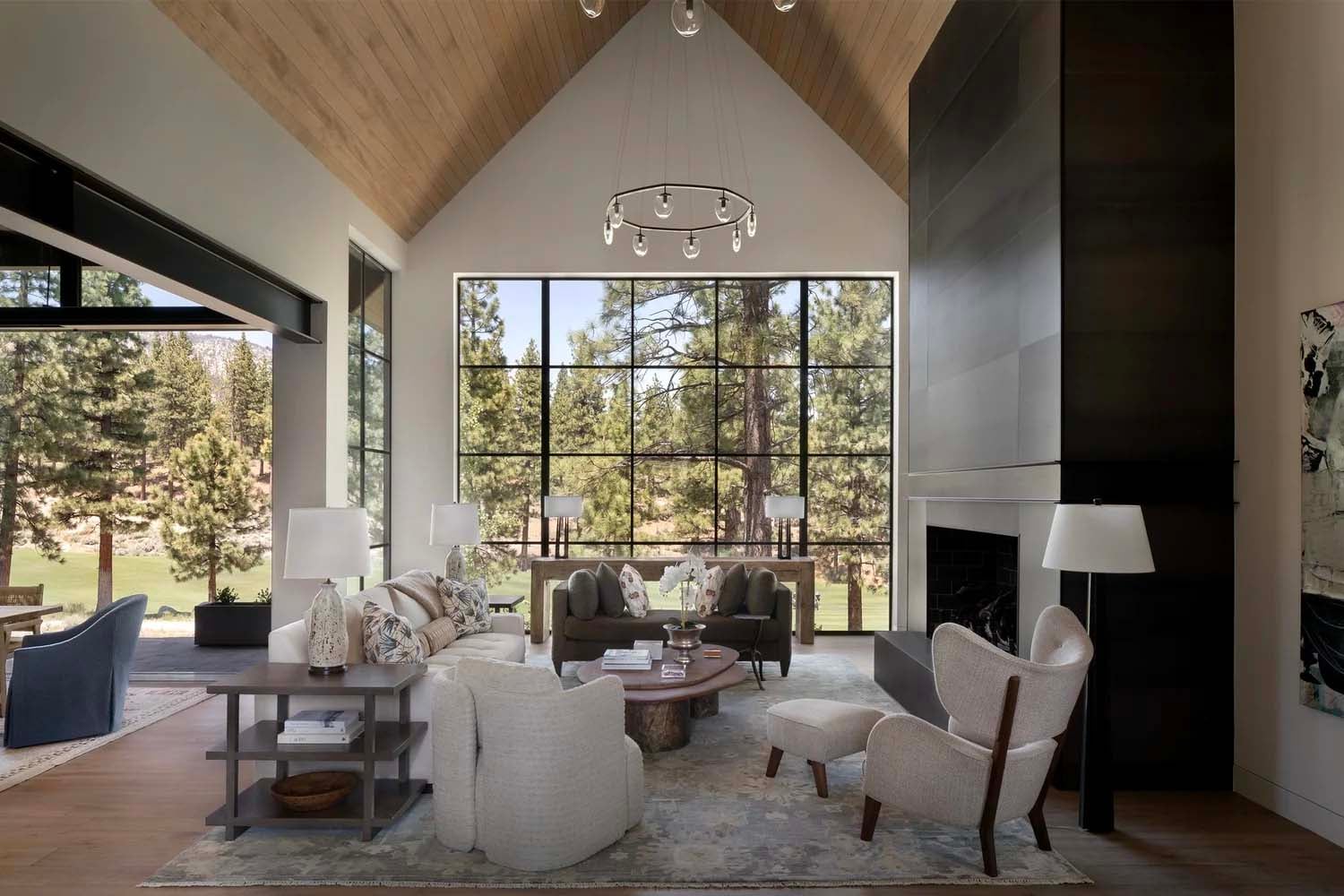
Layered Lighting
Image courtesy of Marsden Architects
Bridging Old and New Materials
The perfect modern rustic fixture combines the raw, natural feel of the rustic base with the clean lines or finishes of contemporary style. Wrought iron in matte black or bronze provides a sleek, industrial contrast to the warmth of exposed wood beams and reclaimed wood. Lantern-style or cage-design fixtures offer a timeless rustic charm.
In a dramatic home designed by Morrison Interiors, modern design is seamlessly blended with rustic warmth, creating a space that combines clean lines, natural textures, and sculptural lighting in an open, airy layout. Warm woods, dark metals, and artisan details add character, while curated art and a neutral palette create a calm, gallery-like feel.
The result is a space that’s both sophisticated and timeless. Dark wood exposed beams pair beautifully with black metallic accents, light wood cabinetry, and heavily veined marble.
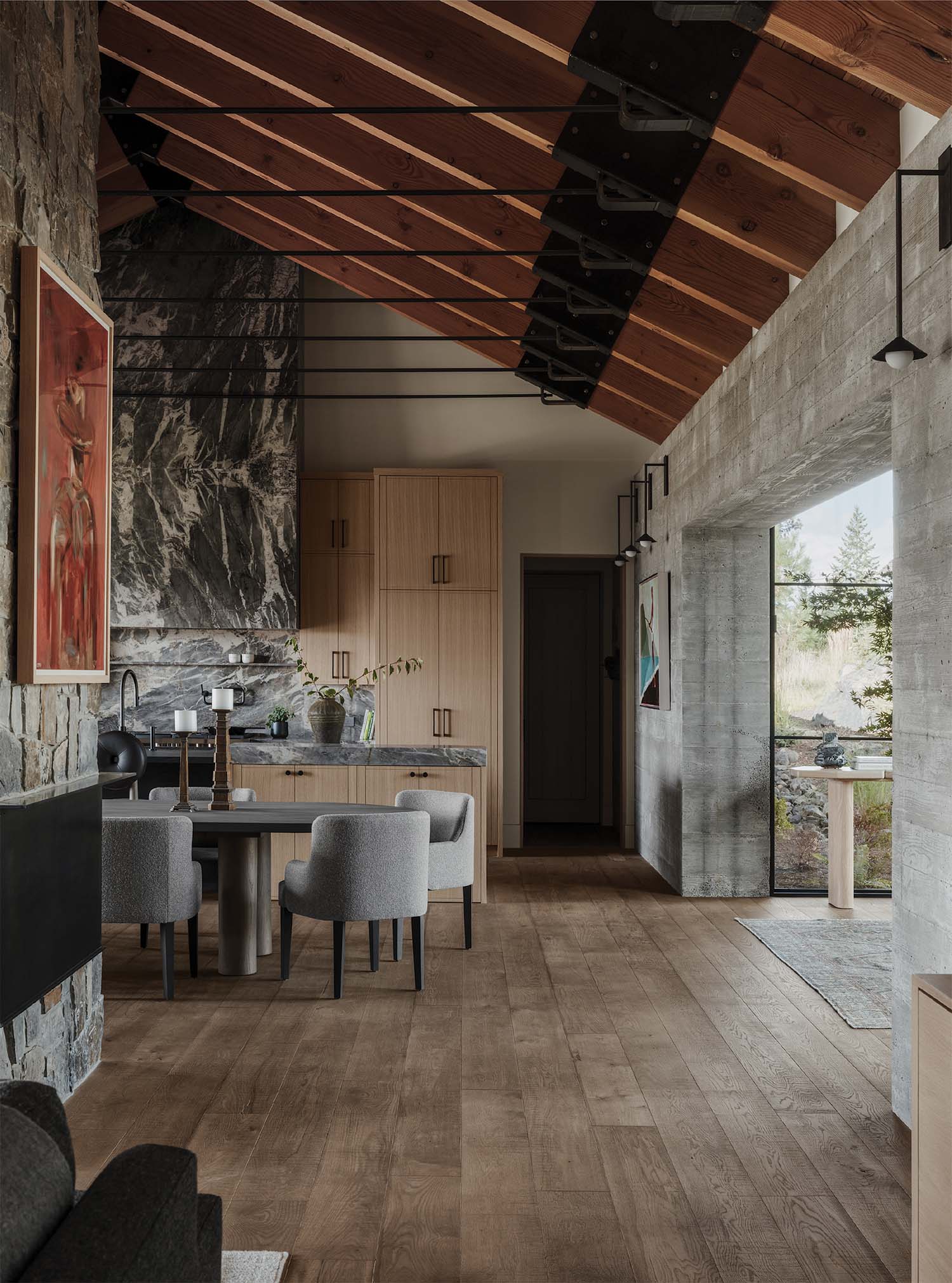
Wrought Iron & Wood
Image courtesy of Morrison Interiors
8. The Growing Popularity Of “Rustic-Adjacent” Styles
The final correlation of the Rustic Modern Revival’s dominance lies in the emergence of several high-end design movements. These styles are elevated, warmer, and more textural takes on rustic, replacing the classic cabin look with an elegant, refined feel that still relies on natural wood and stone.
Rich Ranch: Western-Inspired Luxury
This increasingly popular design style gives the classic cowboy look a chic, modern spin. The surging popularity of Western-inspired interiors is evident everywhere, mainly due to shows like Yellowstone and Landman . The on-screen visuals of desert landscapes and rich, natural materials are quickly making their way into our homes.
As designer Nina Lichtenstein notes, the Rich Ranch aesthetic relies on layering textures—”rough-hewn woods against buttery soft upholstery, woven textiles, and raw stone surfaces.” – Homes & Gardens Magazine.
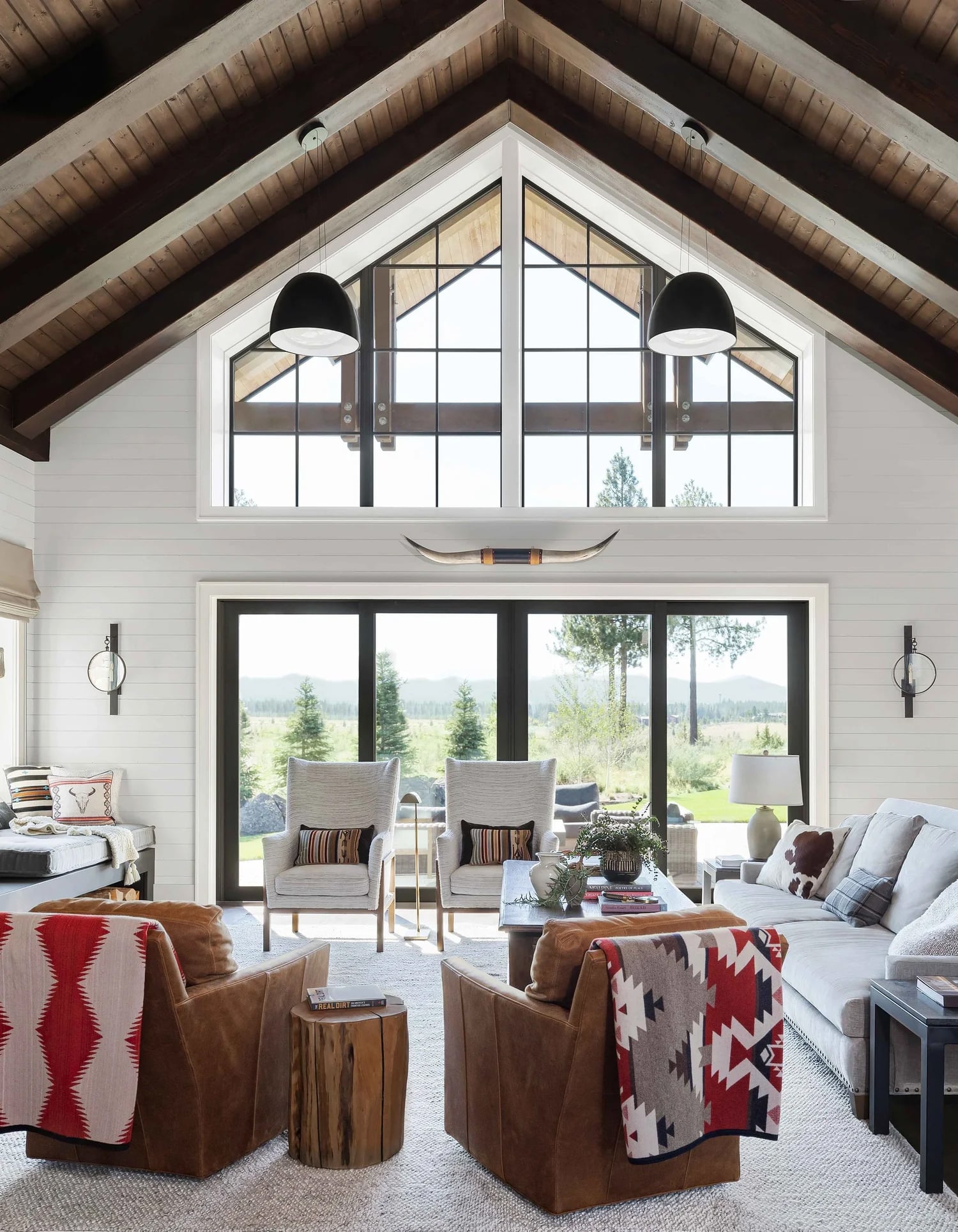
Rich Ranch Design
Image courtesy of Max Humphrey Design (Christopher Dibble Photography)
Modern Tuscan Design: Old-World Elegance
Modern Tuscan seamlessly blends the timeless warmth and natural texture of the Italian countryside with clean, contemporary lines and a brighter palette. It keeps the soul of the traditional style while shedding the heavy, dark, and overly ornate elements of past decades.
The most significant change is the shift away from saturated golds and deep terracottas. The new palette features soft creams, off-whites, warm beiges, and taupes on large surfaces to create an open and airy feel.
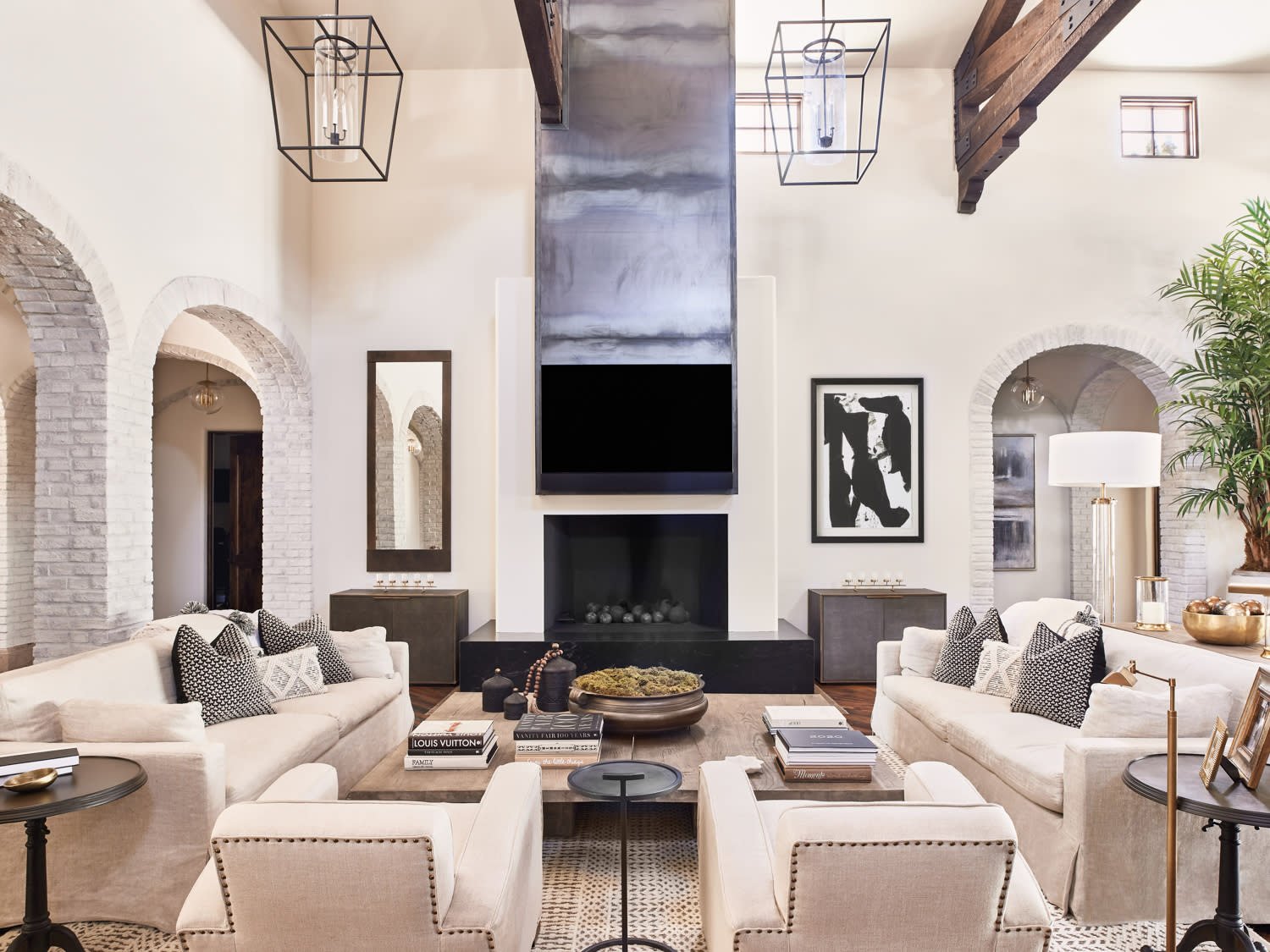
Modern Tuscan Living Room
Image courtesy of Holly Wright Design (John Woodcock Photography)
Interior designer Holly Wright’s clients wanted to update an old-world style home that felt tired, heavy, and old-fashioned, but were unsure of where to start. Wright began by replacing a traditional mantel with columns with a clean-lined steel and drywall design.
Further features she included were a fresh coat of paint, the introduction of raw metal and organic elements, the replacement of the lighting fixtures, and the updating of the furniture. The result is an old-world-style abode that is in keeping with its neighborhood, yet it has been revitalized. This older home now celebrates a timeless palette and gorgeous natural textures.
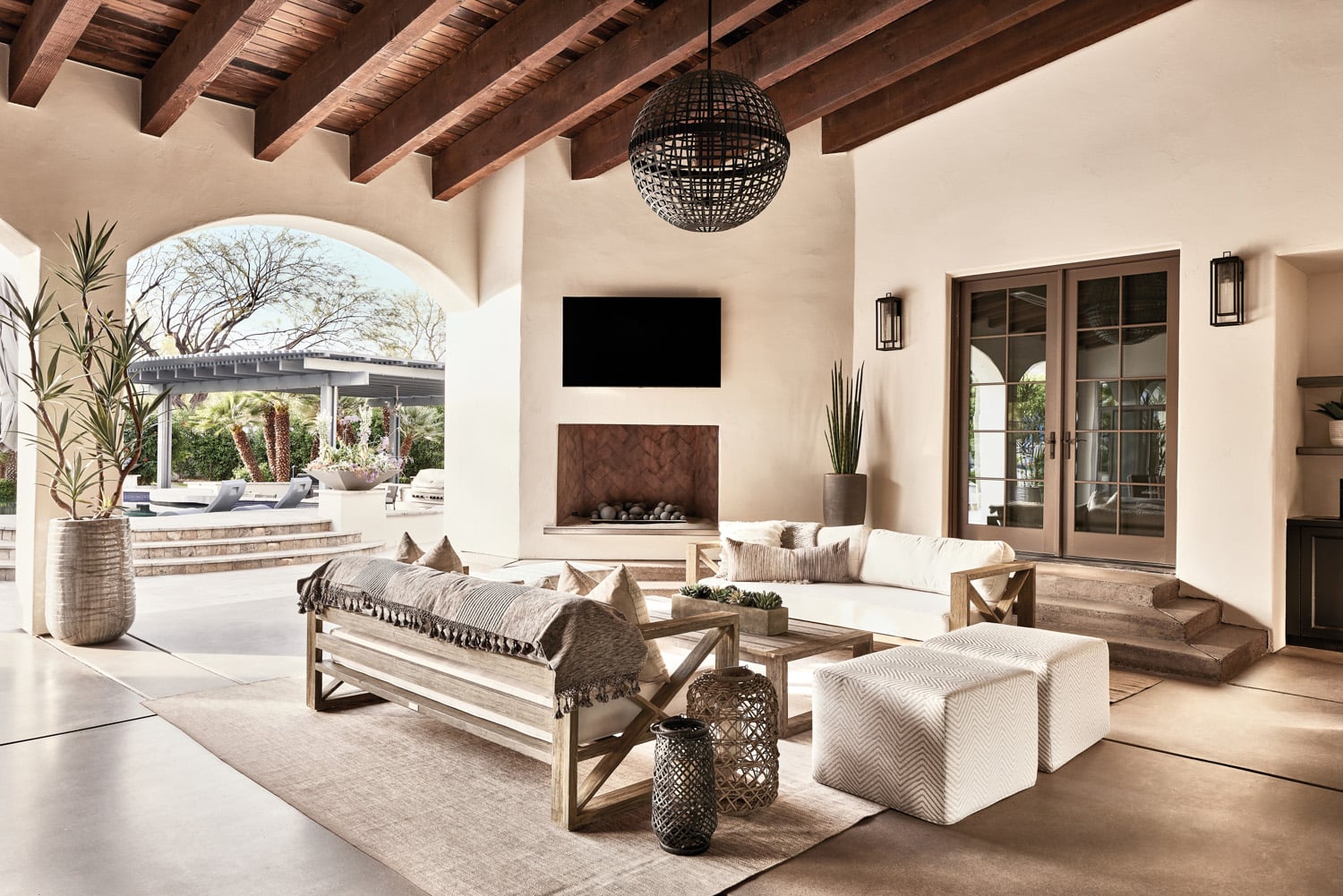
Old-World Style with a Modern Spin
Image courtesy of Holly Wright Design (John Woodcock Photography)
Warm Minimalism
Warm Minimalism is a design philosophy that integrates the simplicity of minimalism with warmth and organic texture to create a cozy, human-centered space.
- It rejects stark white and cool gray for warm neutral colors like cream, mushroom, and terracotta.
- This style prioritizes tactile, natural materials such as unlacquered wood, linen, bouclé, and honed natural stone.
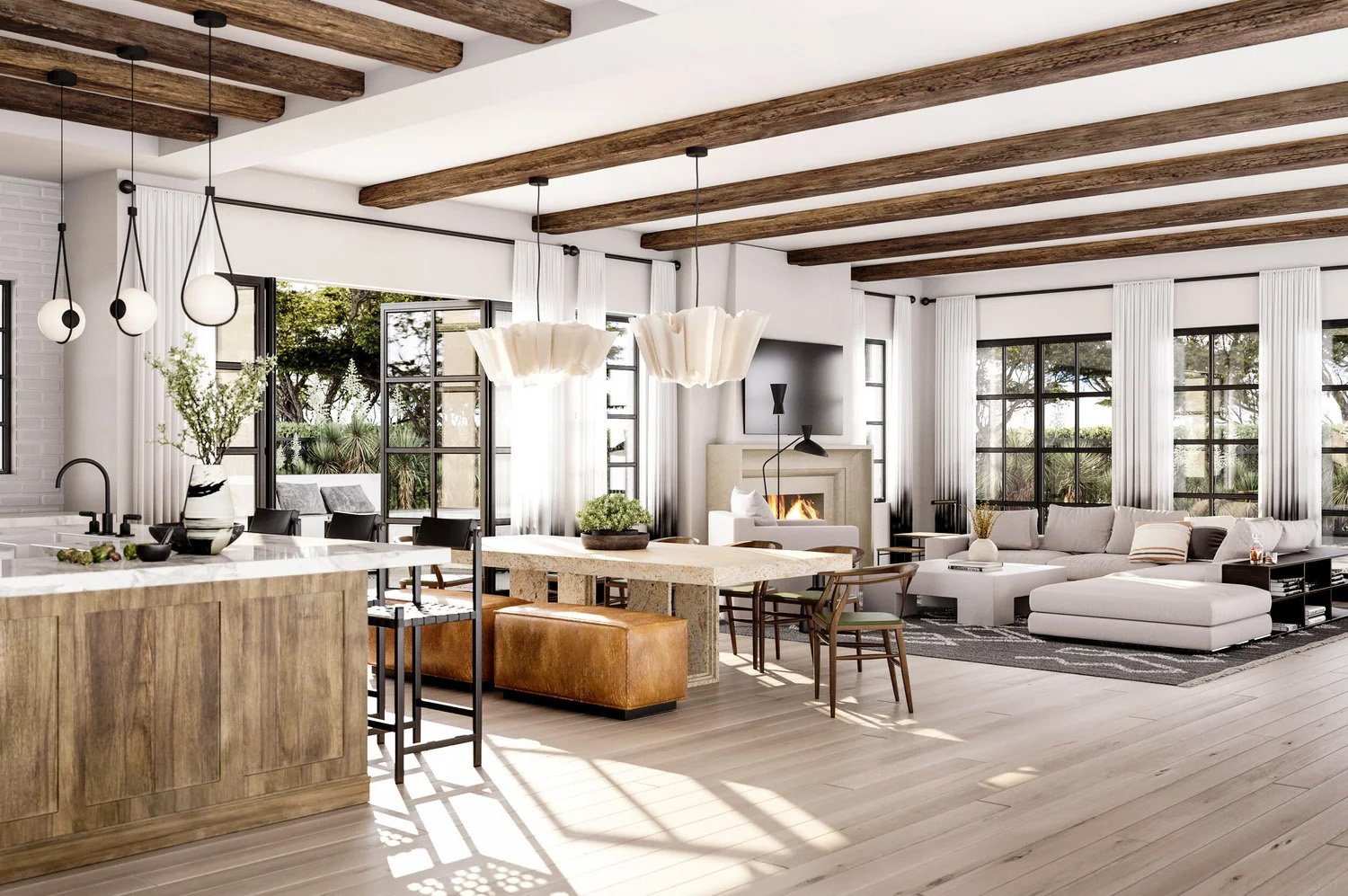
- Crucially, Warm Minimalism refines traditional rustic design, maintaining the appreciation for raw materials while shedding heavy, cluttered elements. The natural wood is transformed into a sculptural accent, rather than a heavy backdrop.
Warm Minimalist
Image courtesy of KES Studio
Conclusion: The Era of Soulful Design
The interior design forecast for 2026 is clear: the era of cold, stark minimalism is over, and the Rustic Modern Revival is here to stay. This is more than just a passing trend; it represents a fundamental shift toward creating soulful, human-centered sanctuaries that celebrate natural materials and prioritize comfort and well-being.
The power of this new aesthetic lies in its sophisticated simplicity. By intentionally blending the old with the new—juxtaposing the rugged texture of reclaimed wood and stone with the refinement of clean lines, layered bouclé, and soft, organic curves—you achieve a space that is elegantly modern and deeply grounded. Additional design features to include are open shelving, massive stone fireplaces, wooden floors, high ceilings, cozy area rugs, and rough texture.
From embracing biophilic design principles to carefully selecting the perfect sculptural lighting fixture, every element in this style contributes to a feeling of enduring wellness and authenticity. Whether you draw inspiration from the Rich Ranch aesthetic or the airy simplicity of Warm Minimalism, the core lesson remains: authenticity and texture will define luxury in the years to come.
Frequently Asked Questions About Rustic Style Interior Design
What is rustic interior design style?
Rustic interior design centers on natural materials, organic texture, and a strong connection to the outdoors — raw wood, natural stone, and earthy finishes form the foundation of the style. Traditionally associated with cabins and mountain homes, rustic design has evolved considerably; what I’d call the Rustic Modern Revival pairs those same natural materials with clean architectural lines and refined furnishings rather than heavy, themed decor. The result is a style that feels grounded and authentic without reading as dated or overly thematic.
What are the key elements of rustic decor?
Raw or reclaimed wood, natural stone, and organic texture are the non-negotiables of rustic decor — these materials appear in flooring, cabinetry, fireplaces, and structural elements like exposed beams. Layered textiles such as wool, linen, and bouclé soften the rougher surfaces, while aged metals like wrought iron or weathered brass add character without competing with the natural materials. Earthy, warm color palettes reinforce the connection to nature, and biophilic elements — plants, natural light, and views to the outdoors — are increasingly central to how rustic interiors are designed in 2026. The strongest rustic spaces use these elements with intention rather than accumulating every available rustic signifier.
What are the characteristics of rustic style interior design?
Rustic interiors are characterized by contrast and texture as much as by any single material — rough-hewn wood set against smooth stainless steel, or the visual weight of a stone fireplace balanced by light, tailored furniture. Architectural drama, such as exposed beams or vaulted, wood-paneled ceilings, often anchors the space, while warm wood tones and stone create continuity throughout open-concept layouts. What distinguishes current rustic interiors from earlier, more traditional versions is restraint: fewer competing finishes, a more controlled palette, and modern furnishings that keep the space feeling current rather than lodge-inspired.
How do you incorporate rustic style without a full renovation?
Repurposing existing architectural elements is the most practical entry point — exposed beams, original wood flooring, or a stone fireplace already in the home can anchor a rustic update without any structural work. Beyond that, layering in natural materials through furniture and accessories makes a significant difference: a reclaimed wood coffee table, woven baskets, wool or bouclé textiles, and aged metal lighting fixtures all introduce rustic character at a much lower cost and effort than a renovation. Paint and lighting also matter more than people expect — warm, earthy wall colors and warm-toned lighting do a lot to make existing rustic elements feel intentional rather than dated.
What’s the difference between rustic and modern rustic interior design?
Traditional rustic design leans fully into natural materials and a heavier, more themed aesthetic — substantial log or timber construction, abundant wood and stone, and decor that reads as distinctly cabin-inspired. Modern rustic takes the same foundational materials — wood, stone, organic texture — but pairs them with cleaner architectural lines, more restrained color palettes, and contemporary furnishings. The result feels sophisticated and current rather than nostalgic. Most rustic interiors being designed today, including much of what’s driving the 2026 Rustic Modern Revival, fall into this modern rustic category — the materials are traditional, but the execution is contemporary.

Fireplace Design Ideas
45 fireplace design ideas, from ceiling-high stone and fluted plaster to wood paneling and black tile, with a designer’s tips on materials, scale and color.
Rustic Bedroom Ideas
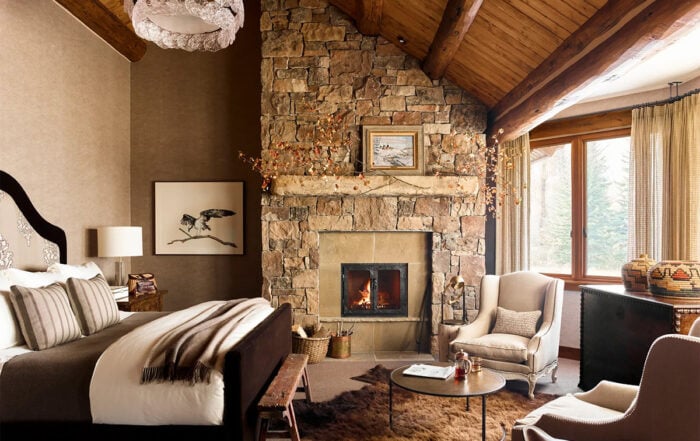
Rustic bedroom ideas covering natural materials, layered textiles, color palettes, and professional design strategies for log cabin, modern rustic, Scandinavian, and luxury retreat styles.
Rustic Bathroom Ideas
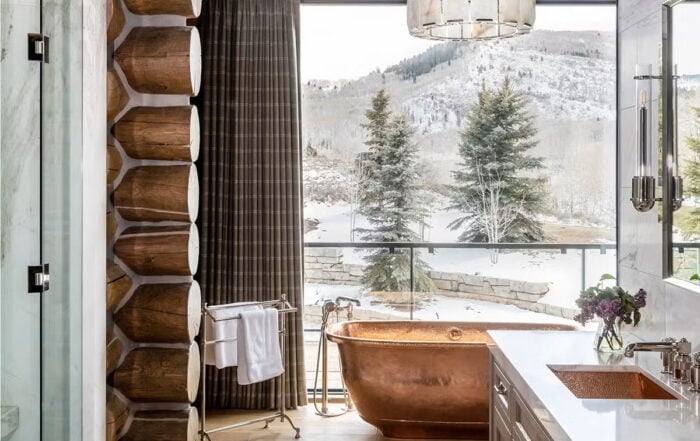
Rustic bathroom ideas — natural materials, vintage fixtures, earthy palettes, and designer tips for log homes, cabins, and mountain retreats.
Cream Kitchen Cabinet Ideas
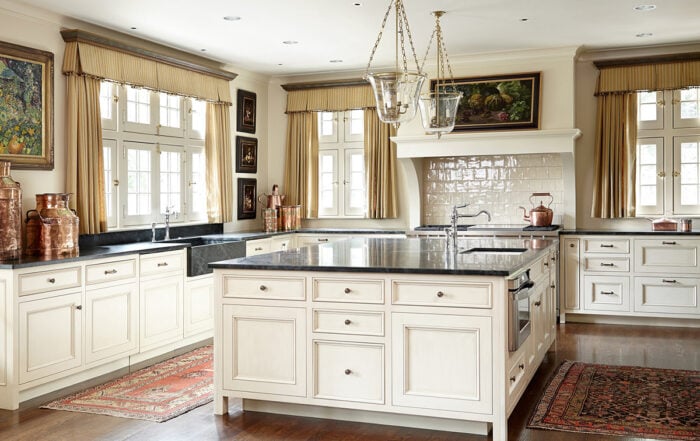
Cream kitchen cabinet ideas curated by interior designer Tracy Svendsen. Warmer than white and more versatile than beige, cream cabinets work beautifully across farmhouse, rustic, traditional, and modern kitchens.
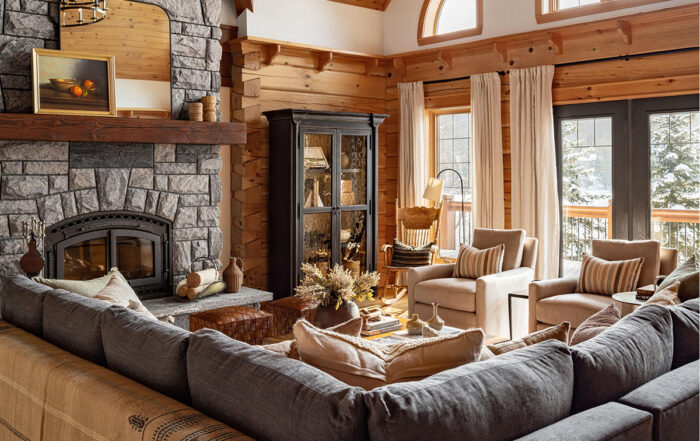
Log Home Decorating Ideas
Log home decorating ideas covering color palettes, furniture selection, lighting, stone fireplaces, and modern approaches to handcrafted log home interiors.
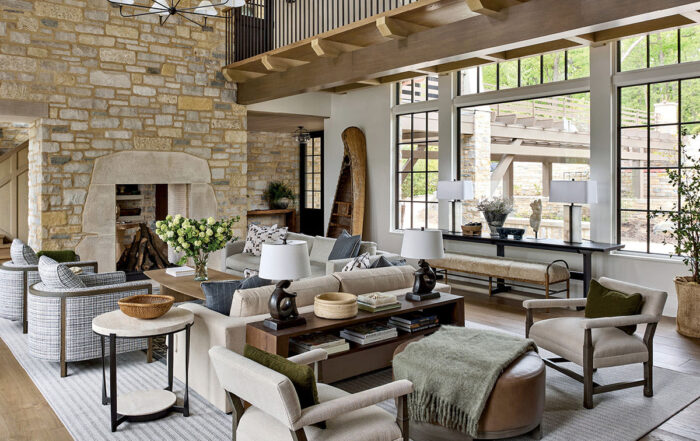
Coastal Decorating Ideas
Coastal decorating ideas — color palettes, natural textures, living rooms, bedrooms, and outdoor spaces.

