
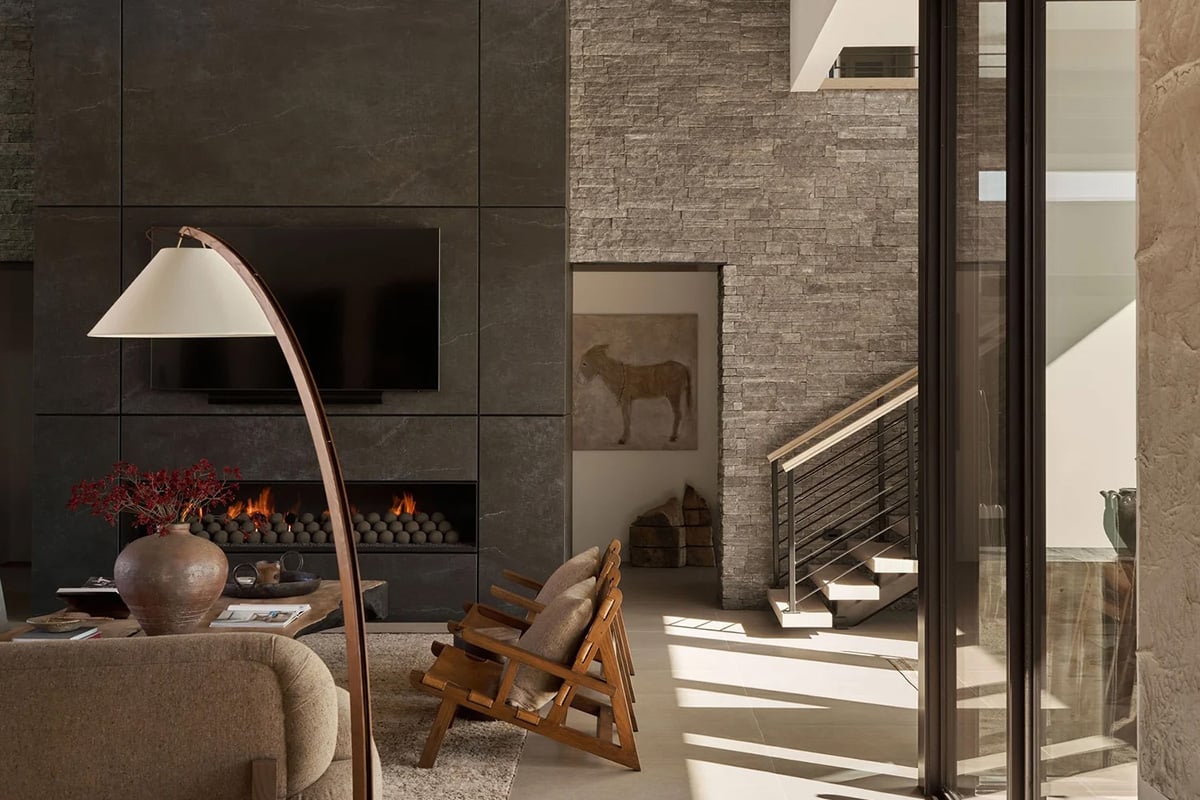
Desert Modernism Interior Design
Mastering the Modern Desert Palette & Textures
By Interior Designer TRACY SVENDSEN | Published on November 06, 2025 |
Few styles reflect their environment as beautifully as desert modern design. Desert Modernism is a breathtaking design aesthetic that bridges the gap between structure and the natural world. This style draws inspiration from mid-century architecture and is characterized by the wild serenity and rugged beauty of the desert.
It’s an approach that was explicitly crafted to create stylish, livable homes within intense conditions, turning challenges like harsh sunlight and dry heat into design assets. Every choice—from the placement of a window to the height of a wall—is made to integrate seamlessly with the outdoors.
Sunlight is shaped, not blocked, ensuring the interiors are light-filled yet cool. This results in homes that are rooted, expansive, and deeply connected to the landscape. The aesthetic is brought to life through clean lines, quiet warmth, and the intentional use of a refined earth-tone palette combined with raw, tactile textures. Below, we explore these elements through the lens of industry-leading work by designers such as Janet Brooks, James McIntyre Design, and Drewett Works. Feature image courtesy of Tays & Co. (Austin LaRue Photography)
Key Takeaways – Desert Modernism Interior Design
-
Desert modernism blends architecture with the landscape, using design elements that turn harsh sunlight and rugged terrain into assets while keeping interiors light‑filled, cool, and connected to the outdoors.
-
A refined earth‑tone palette of warm neutrals (such as creamy ivory, dusty sand, light taupe, and mushroom) provides a grounded, warm foundation that reflects desert light without feeling stark.
-
Texture and material variety are essential, with raw, tactile surfaces—such as hand‑knotted wool, rough plaster, woven rattan, honed stone, leather, and handmade clay tiles—adding depth and acoustic warmth.
-
Architectural details and forms, such as fluted surfaces, soft curves, arched openings, and organic shapes, soften strong geometry and reinforce the desert aesthetic.
-
Natural light and indoor‑outdoor connection are core to the style, with large windows, open plans, and a biophilic focus that makes the landscape part of the interior experience.

Modern Desert Living Room
Image courtesy of Holly Wright Design
1. The New Neutrals: Building a Grounded, Warm Desert Palette
The key to Modern Desert design starts with a sophisticated, highly curated color palette. Forget plain beige and sandy monotones; the focus is on warm neutrals that capture the desert’s changing light. These foundational hues—such as creamy ivory, dusty sand, light taupe, and mushroom—replace harsh, stark whites or cool grays, ensuring your interior spaces feel spacious and fundamentally warm and grounded.

Modern Desert Open-Concept Living
Image courtesy of Janet Brooks Design (Austin Larue Baker Photography)
2. Color as Contrast: Applying Vibrant Hues with Precision
Though the foundational palette is neutral, Modern Desert design is certainly not colorless. The trick is to introduce focused, compelling accents drawn directly from the desert’s most vibrant features—its flora, geology, and sunsets.
Utilize a splash of color, such as muted terracotta, burnt sienna, dusty rose, or deep indigo in small, intentional doses. They are most effective when applied to textiles, artisanal ceramics, or abstract artwork, providing energy without overwhelming the space’s inherent calm.
In a Sedona, Arizona home, interior designer Janet Brooks drew inspiration from the surrounding rock formations, incorporating terra cotta and gold hues, the blues of the sky, and the natural greens found in the Pinon trees, which add a vibrant energy to the space.

Colorful Accents
Image courtesy of Janet Brooks Design
3. Raw Surfaces: The Power of Tactile Materials
The layering of textures is a driving force in this style, with a focus on raw, tactile surfaces: hand-knotted wool, slubby linen, woven rattan, and rough plaster. These materials catch the light differently and absorb sound, adding acoustic warmth and depth that prevents the space from feeling sterile.
In a stunning Scottsdale home designed by Tays & Co., each room has an immediate connection between the indoor and outdoor spaces. A layered, neutral color palette of saturated wood tones provides the canvas for high-contrast finishes and carefully curated textures. Additional design features include large-format floor tiles with a limestone look, a tongue-and-groove Douglas fir ceiling, and a mix of organic fabrics, including linen, leather, marble, and wool-and-cotton rugs.

Modern Desert Living Room with a Neutral Palette
Image courtesy of Tays & Co. ( Austin LaRue Baker Photography)
4. Natural Materials: Honed Stone, Patinaed Leather, Wood & Clay
Modern desert design evokes authenticity by incorporating textural surfaces, such as honed limestone, handmade clay tiles, and leather in warm hues, which provide a grounding foundation. Select wood that exhibits natural character, such as reclaimed or knotty varieties, for beams, mantels, and live-edge tables.
Prioritize honed travertine or limestone (matte, not polished) for countertops and flooring. This non-reflective finish reinforces the style’s grounded, natural feel. Anchor the design with hand-thrown pottery and large terracotta planters, which introduce primitive texture and reconnect the palette to the earth.

Natural Materials in Desert Modernism
Image courtesy of Tays & Co. (Austin LaRue Photography)
5. Warm, Aged Finished: Copper, Bronze & Smokey Pewter
The metal palette is shifting decisively away from harsh chrome and toward warm, aged finishes, as predicted in 2026 design trends. The movement favors softer, richer metal tones—specifically smoky pewter, oil-rubbed bronze, and brushed copper or brass. These choices are vital because they complement the earthy color scheme, gaining character as they develop a natural patina.
Tays & Co. created a color palette that combines natural white oak cabinetry with a gentle green (Herbes de Provence, Benjamin Moore) and soft black hues (Annapolis Gray, Benjamin Moore), echoing the surrounding landscape. Additional design features include a mix of metals, luxurious Italian white Calacatta marble with gray and gold veining, and walls and ceilings painted in Sherwin-Williams’ Shoji White.

Metalic Accents
Image courtesy of Tays & Co. (Austin LaRue Photography)
6. Fluted & Arched: Embracing Architectural Curves & Details
The Modern Desert style introduces softness through refined details. The technique of fluting (vertical grooves) adds necessary rhythmic texture and dimension to otherwise smooth surfaces, such as cabinetry and kitchen islands. Pair these details with soft architectural shapes—like arched doorways and curved niches—to contrast the linear structure and reflect the gentle, organic contours of the mountains and dunes.


Wood Fluting & Arches in the Kitchen
Image courtesy of Paris McKenna Design (Lauren Miller Photography)
7. Softening the Angles with Organic Shapes
Balance the strong geometric framework by introducing organic forms that soothe the eye. Furniture featuring gentle curves and biomorphic shapes is essential for softening the room’s overall feel. Upholstery should emphasize tactile warmth, utilizing high-texture natural fabrics such as bouclé, slubby linen, and heavy wool, always kept within the warm, neutral color palette. In a home designed by Modern Nest, materials were selected and used in unique and unexpected ways. Earthy materials such as natural woods and stone provide warmth and character.

Modern Desert Living Room
Image courtesy of Modern Nest
8. Low-Profile, Clean-Lined Furniture
To furnish the space, seek tailored, comforting forms that provide essential contrast to the room’s rugged materials. The best choices are low-profile and clean-lined, keeping the weight of the furniture visually grounded. These pieces must also integrate softness and gentle curves—a vital element to counteract the geometric sharpness of the architecture and the inherent hardness of materials like stone.
Modern Nest breathed life into a previously dated home in Biltmore, Arizona. The result is a home that exudes warmth and coziness, a perfect reflection of the client’s taste and personality.

Clean-Lined Furniture
Image courtesy of Modern Nest
9. Sculptural Light Fixtures
Lighting should act as an intentional sculptural anchor in the room. Seek out fixtures with organic forms and a rich material profile—such as handwoven rattan, matte ceramic, or simple linen. This strategy ensures the fixture is minimalist in spirit yet provides powerful texture. Finish the installation with warm-toned bulbs; this subtle detail is essential for maximizing the cozy, sophisticated ambiance.
In a Paradise Valley, Arizona home designed by Holly Wright, a striking linear light fixture makes a dramatic visual statement. A conservative materials palette and clean lines exemplify the modern aesthetic, while endless views from every room enhance the home’s indoor-outdoor livability.

Sculptural Lighting
Image courtesy of Holly Wright Design
10. Jute, Wood & Hide Area Rugs
Rugs are essential for defining zones and anchoring comfort within an open space. Jute and sisal (often grouped as natural fiber rugs) are vital in establishing the foundational texture and look of a Modern Desert home. Their inherent, unprocessed color directly connects the interior palette to the sandy, arid landscape outside, reinforcing the biophilic theme.
In a Scottsdale, Arizona home with arresting views of the desert and Pinnacle Peak, Drewett Works clad the living room walls in natural stone. The floors are tiled in limestone, imparting a horizontal and hand-hewn nature. Further design details include a wool-and-silk area rug, sofa, and reclining armchairs in shades of beige that allow the rich ambers of the coffee table and leather drawer fronts on the console to stand out.

Area Rugs
Image courtesy of Drewett Works
11. Combining Rough & Smooth Textures
Visual interest in Modern Desert design is built upon texture, not pattern. To achieve this depth and tactile contrast, combine rough and smooth surfaces. Begin with the large, permanent elements, such as raw wood and honed stone, then layer in increasingly softer textures: nubby bouclé, woven textiles, and ceramic vases.
This multi-layered approach—for example, pairing a smooth linen throw over a bouclé chair set on a natural jute rug—is what creates a cozy, highly curated aesthetic. In the primary bedroom below, Tays & Co. provides tactile delight with fabrics such as wool, bouclé, chenille, and a velvet-like polyester that draws the hand and pleases the eye.

Layering Textures
Image courtesy of Tays & Co. (Austin LaRue Photography)
12. Intentional Restraint in Desert Styling
In this minimal aesthetic, accents should be curated, not collected. Practice intentional restraint by selecting organic objects that function as sculptural moments. Favor items crafted from natural desert materials—such as polished river stones, hand-carved wood bowls, or smooth alabaster—ensuring every piece is chosen for its superior form and texture.

Minimalist Desert Accents
Image courtesy of David Michael Miller Design
13. Woven Details: Rattan, Cane & Baskets
Elevate the organic aesthetic and introduce a bohemian vibe by layering woven materials. Consider using rattan and cane for structural elements, such as the backs of chairs or the fronts of cabinets, to add a natural touch. Complement this with handwoven baskets for stylish, practical storage. The key is to select finishes that look raw and unvarnished.
Set against the dramatic backdrop of the Bartlett Mountains in Joshua Tree, this stunning property seamlessly integrates with the rugged desert through intentional, Mediterranean-inspired design. The architecture showcases structural authenticity, featuring a natural stone façade, exposed wooden beams, and traditional framing, while the interiors boast hand-troweled plaster countertops. Mervé Krenzke of Ciel Interiors outfitted the space with a serene, organic vibe, channeling a unique blend of Greek tranquility and high-desert resilience by combining warm, earthy tones with raw, tactile materials throughout.

Woven Textures
Image courtesy of Ciel Interiors
14. Light-Filled Spaces
At its core, Modern Desert design is deeply biophilic—focused on connecting people to nature. Maximize this connection by creating spaces that are flooded with natural light. Utilize large windows, sliding glass doors, and open floor plans to create an interior that feels like a seamless, continuous extension of the surrounding landscape and sky.
Interior designer Jaime Rose incorporated expansive glass and clerestory windows, which provide an abundance of natural light, in this modern and organic living room. Native desert plants, like cacti or succulents, further tie the interior to its surroundings.

Abundant Natural Sunlight
Image courtesy of Jaimie Rose Design (John Woodcock Photography)
15. Art with Textured Graphics
Opt for artwork that reinforces the textural theme rather than competing with it. Textured graphics are key; this could include fiber art, plaster reliefs, or canvas pieces featuring simple geometric prints. Crucially, the color scheme must remain subdued and earthy to maintain a serene and clutter-free space.

Textured Artwork
Image courtesy of David Michael Miller Design
16. The Role of Sculptural Desert Plants
Add life and architectural detail using simple desert plants. Move past standard small succulents and opt for large, sculptural varieties that complement the room’s scale. A strategically placed plant—like a cactus, agave, or potted aloe—provides immediate geometric form and living texture.
Interior designer Janet Brooks approached the design with the primary goal of framing and showcasing the home’s stunning desert views. This setting proved an ideal backdrop for her signature style: a blend of elevated Southwest aesthetic and timeless livability. The final result is a warm, welcoming desert sanctuary that perfectly honors its setting, supports a modern lifestyle, and maintains a deep, lasting meaning for the family.

Desert Plants
Image courtesy of Janet Brooks Design (Austin Larue Baker Photography)
17. Beyond the Cactus: Utilizing Olive & Fiddle Leaf Trees
For spacious areas, introduce trees to add softness and vertical height. Olive trees are an excellent choice, valued for their muted silver-green foliage and gentle texture, which perfectly aligns with a sophisticated color scheme. Alternatively, the Fiddle Leaf Fig offers bold, classic indoor height. Anchor these larger plants using weighty terracotta or stone planters.
In a residence that is at one with its surroundings, interior designer Janet Brooks brought the outdoors in by incorporating natural materials and utilizing texture to create spatial movement and depth. Taking further cues from nature, Brooks incorporated vintage, handmade pottery that reflects the hues of the desert landscape and is thoughtfully positioned throughout the home.


Organic Olive Trees
Image courtesy of Tays & Co. (Austin LaRue Photography)
18. Dramatic Black Elements
Introduce precise black accents to provide definition and prevent the warm color scheme from feeling diluted. The contrast of these dark, graphic elements is essential for grounding the space. Key placements include window frames, matte black door fittings, and minimalist fireplace surrounds. This high-contrast approach ensures the creamy walls and natural wood tones are highlighted effectively.


Black Elements
Image courtesy of Tays & Co. (Austin LaRue Photography)
19. Pairing Raw Fabrics with Dark Accents
Combining raw, natural fabrics with dark, precise accents is a core characteristic of Modern Desert design. This pairing prevents the earthy, warm palette from feeling washed out or overly rustic by providing essential contrast and definition. Materials such as unbleached linen, raw silk, or textured cotton are used for large items, like seating and bedding, to add softness and an organic texture.
These soft elements are then grounded and defined by sharp, dark accents—typically matte black—applied to thin-profile metal furniture legs, sleek lighting fixtures, or architectural hardware. This strategic application of dark elements ensures the space feels balanced, modern, and sophisticated, making the surrounding creamy walls and natural textures truly stand out.

Raw Fabrics & Dark Accents
Image courtesy of SenHoma (Hannah Rose Gray Photography)
20. Living Room
Create an inviting tone by building upon a neutral base with rich texture. Key elements, such as a woven wool rug, soft linen upholstery, a sculptural wood table, and bronze accents, define the space’s overall character. Select furniture that is low-profile and clean-lined, made exclusively of natural materials. Introduce soft contrast via throw pillows in colors such as camel, clay, or bone.

Modern Desert Living Room with Wood Beams
Image courtesy of Janet Brooks Design (Austin Larue Baker Photography)
21. Desert Modern Kitchen
The Modern Desert Kitchen combines minimalist efficiency with natural, organic textures to create a grounded and serene space. It relies on a warm, earthy palette of sand, bone, and clay, often featuring flat-panel cabinetry in natural wood tones or soft, painted hues.
Slab stone countertops, made from materials like limestone or quartz, provide a solid, low-sheen foundation that is cleanly contrasted by matte black or bronze fixtures used strategically for grounding and definition. To maintain a clean, light-filled feel, the design frequently incorporates open wood shelving instead of heavy upper cabinets. It always prioritizes large windows or glass doors to maximize natural light and ensure a seamless connection to the surrounding desert landscape.

Modern Desert Kitchen
Image courtesy of Tays & Co. (Austin LaRue Baker Photography)
22. Dining Room
Achieve a sophisticated feel in the Modern Desert Dining Room by marrying clean design with organic textures. The core feature is a substantial, natural wood dining table, often featuring a live edge, paired with seating upholstered in high-texture neutrals or detailed with woven cane.
The palette of warm neutrals (sand, cream, taupe) is intentionally defined by matte black or aged bronze accents for sharp contrast. An oversized, sculptural pendant light acts as the main focal point. Design finishes include hand-knotted wool rugs and textured walls, while large windows are essential for flooding the space with natural light and framing the outdoor landscape.

Modern Desert Dining Room
Image courtesy of Holly Wright Design
23. Bedroom
Conceived as a tranquil, tactile sanctuary, the Modern Desert Bedroom is anchored by a low-profile bed and minimalist furniture in natural woods. The soothing palette of warm neutrals is subtly punctuated by terracotta or dusty rose. Comfort is achieved through the combination of layered, luxurious textures, blending breathable linen with items like sheepskin or bouclé throws.
Lighting is kept soft, utilizing sculptural pendants or ceramic lamps instead of harsh overhead fixtures. The overall feeling is grounded and calm, achieved through strictly limited styling that features only a few curated objects, such as textured art or a stately desert plant.

Desert Modernism in the Bedroom
Image courtesy of James McIntyre Design (John Woodcock Photography)
24. Bathrooms
Transform the bathroom into a spa by emphasizing natural, matte stone (such as travertine or limestone) on major surfaces to provide a rugged texture. Install flat-panel wood vanities in warm tones, such as oak or walnut, for a warm and clean aesthetic.
Earthy plumbing fixtures, favoring bronze or brushed copper, reinforce the natural palette. The space relies on soft, indirect lighting and minimalist, curved mirrors. Final styling is kept minimal with simple ceramic objects and a single architectural desert plant to maintain a calm, grounded feel.

Modern Desert Bathroom
Image courtesy of Janet Brooks Design (Austin Larue Baker Photography)
25. Outdoors Areas
Outdoor areas are arguably the most crucial component of Modern Desert design, acting as genuine extensions of the interior. This is achieved by creating a seamless transition using expansive sliding glass doors and identical interior finishes, such as honed stone and stucco. The focus is on framing the dramatic natural landscape, treating the mountains and sky as essential design elements.
Furniture is kept low-profile and weather-resistant with thick, neutral cushions that mirror indoor comfort. Essential features include shade structures (pergolas or cantilevered roofs) to manage harsh sunlight, and sculptural fire pits or water elements to ensure year-round functionality and tranquility.

Outdoor Spaces
Image courtesy of Tays & Co. (Austin LaRue Photography)
Conclusion
The Desert Modern aesthetic is far more than a trend; it is a philosophy built on intentional contrast and a deep respect for the environment. By mastering this style, you learn to quiet the visual noise of excess and focus on the fundamental quality of every element you introduce.
Success lies in the deliberate tension between opposing forces: the clean lines of modern architecture balanced by the organic curves of furniture; the smooth, cool surfaces of honed stone juxtaposed with the raw, acoustic warmth of wool and linen; and the monochromatic neutrality of the palette punctuated by precise, vibrant accents. This isn’t minimalism defined by absence, but by perfect presence.
Ultimately, Desert Modernism empowers you to create a home that is truly a sanctuary —a light-filled, grounded, and texturally rich space that supports a modern lifestyle while remaining profoundly connected to the timeless, rugged beauty of the surrounding landscape.
View Recent Posts
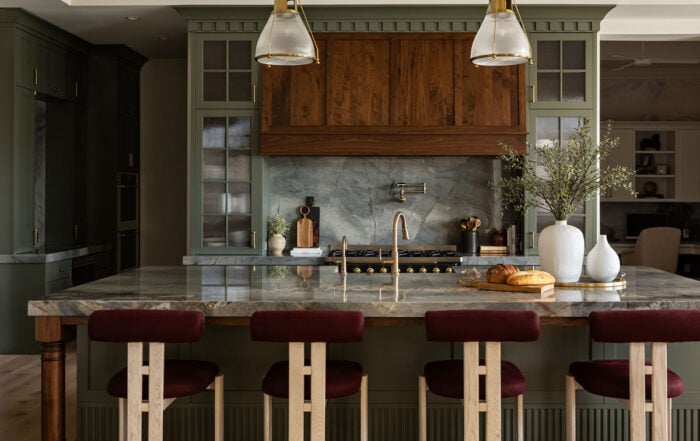
Stunning Range Hood Design Ideas
Range hood design ideas covering stone, wood, plaster, copper, and stainless steel — with designer tips on proportion, material selection, and installation.

Fireplace Design Ideas
45 fireplace design ideas, from ceiling-high stone and fluted plaster to wood paneling and black tile, with a designer’s tips on materials, scale and color.
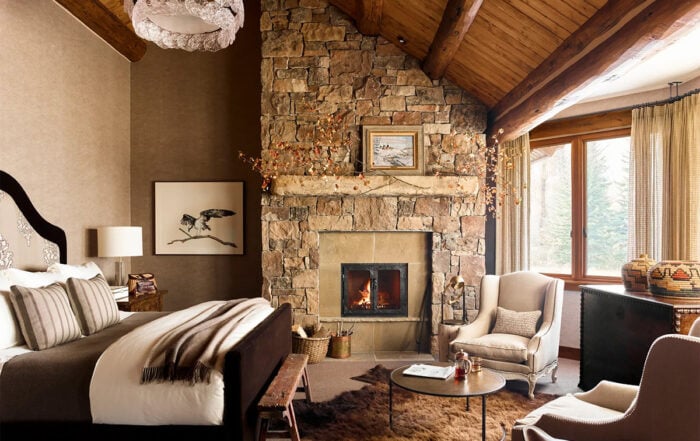
Rustic Bedroom Ideas
Rustic bedroom ideas covering natural materials, layered textiles, color palettes, and professional design strategies for log cabin, modern rustic, Scandinavian, and luxury retreat styles.
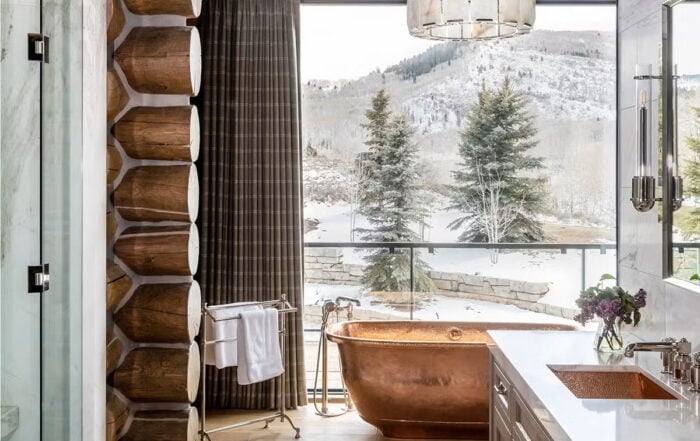
Rustic Bathroom Ideas
Rustic bathroom ideas — natural materials, vintage fixtures, earthy palettes, and designer tips for log homes, cabins, and mountain retreats.
Cream Kitchen Cabinet Ideas
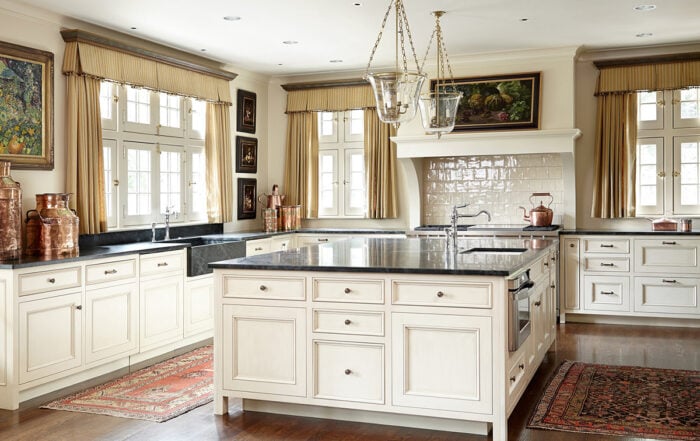
Cream kitchen cabinet ideas curated by interior designer Tracy Svendsen. Warmer than white and more versatile than beige, cream cabinets work beautifully across farmhouse, rustic, traditional, and modern kitchens.
Log Home Decorating Ideas
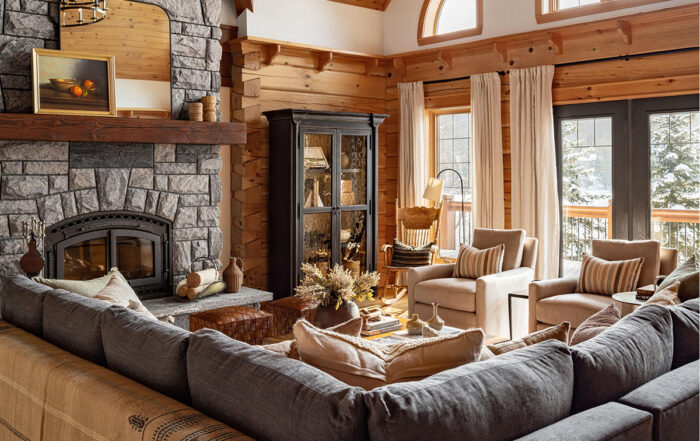
Log home decorating ideas covering color palettes, furniture selection, lighting, stone fireplaces, and modern approaches to handcrafted log home interiors.

