

Fall Aesthetic Ideas: Colors, Decor, and Seasonal Inspiration
By Interior Designer TRACY SVENDSEN | Published on July 18, 2024 | Updated on July 01, 2026 |
Fall has a quality that no other season quite replicates — the shift in light, the color of the leaves, the instinct to bring warmth indoors. As an interior designer, I find fall one of the most rewarding seasons to decorate for precisely because the inspiration is everywhere: in the landscape outside, in the natural materials that come into their own against an autumn palette, and in the simple pleasure of a home that feels genuinely seasonal rather than decorated.
The feature image above is my own backyard — an outdoor wicker sofa layered with embroidered leaf pillows, a textured throw, and a small pumpkin pillow, with crimson mums in woven baskets and pumpkin mugs of coffee close at hand. It’s the kind of styling that takes very little effort but completely changes how a space feels the moment the weather turns.
These fall aesthetic ideas cover the full range — from color palettes and home decor to tablescapes, floral arrangements, outdoor spaces, and the natural elements that connect your interior to the season outside your windows.
Fall Aesthetic Key Takeaways
- Fall decorating works best when it draws directly from the natural world — branches, pumpkins, seasonal florals, and foraged leaves connect your interior to the season more effectively than manufactured seasonal decor.
- A neutral base with warm accent tones (orange, rust, burgundy, gold) is the most versatile fall approach — it transitions naturally from fall into winter with minimal adjustment.
- Layering is the defining principle of fall aesthetic — textiles, candlelight, and natural materials accumulated thoughtfully create more atmosphere than any single statement piece.
- Candlelight and layered warm lighting are the most underused fall decorating tools — they change the atmosphere of a room more dramatically than almost any other single change.
- Original personal touches always outperform perfectly coordinated seasonal displays — a vase of foraged branches, a farm pumpkin, or a personally styled tablescape feels more authentic every time.


Fall Aesthetic Ideas
Image courtesy of Kate Laine Upsplash
The Significance of Fall Colors
Fall’s color palette does more than look beautiful — it changes how a room feels and how people behave in it. Warm reds, golden yellows, and deep oranges create a sense of comfort and slowing down that’s hard to achieve with any other seasonal palette. As a designer, I find clients respond to fall color almost instinctively; it’s one of the easiest seasonal shifts to make because the palette already exists in nature, waiting to be brought indoors.
Here are a few fall aesthetic ideas to get you started:
Here are a few cozy fall aesthetic ideas to get you started:

Fall Vibes
Image courtesy of Joseph Gonzalez Upsplash
1. Building a Neutral Fall Palette With Orange Accents
A neutral base is one of the most versatile starting points for fall decorating, since it lets you layer in seasonal color without committing to a full redecoration. Warm oranges, deep reds, and golden yellows read as accent notes against a neutral backdrop rather than overwhelming a room, which means the look transitions naturally from fall into winter with only minor adjustments.
This composite image shows the palette in practice. On a white country porch, orange and white mums in rustic pottery sit alongside layered pumpkins in varying tones of orange and cream — the white architecture and furniture stay completely neutral, letting the seasonal color do all the work. The dried floral arrangement beside it, in burnt orange, brown, and cream tones set in a gray vase, extends that same palette indoors. The five-color swatch running across the image captures the range I’d recommend working from: dark rust, sienna, orange, mushroom, and warm cream — a palette that moves from saturated to muted, giving you flexibility whether you want a bold accent wall or a single subtle pillow.

Fall Color Palette
Individual Images courtesy of Frost Events
2. A Bolder, More Saturated Fall Palette
Where a neutral palette lets fall color play a supporting role, a bolder approach puts it front and center. Rich, saturated tones add real drama and personality to a space — through florals, tablescapes, artwork, or layered textiles — and create a look that feels intentional and memorable rather than simply seasonal.
This pairing shows the bolder palette at its most striking. A floral arrangement combines dark crimson dahlias with bright orange roses, set against leafy green branches and trailing vines — the deep green is what keeps the warm tones from feeling one-note, adding contrast and depth.
The tablescape alongside it layers white and orange pumpkins with a second floral arrangement in rust and orange tones, reinforcing the same color story across the table. The full palette here — dark forest green, deep rust, burnt sienna, bright orange, and white — is considerably more saturated than the neutral approach in Section 1, and works beautifully for anyone who wants their fall decor to feel like a genuine style statement rather than a subtle seasonal touch.

Fall Color Palette
Image courtesy of Wedding Day Online, Inspired by Charm
3. Pumpkin & Roses Fall Floral Arrangement
A hollowed-out pumpkin makes one of the most striking vessels for a fall centerpiece — rustic, seasonal, and substantial enough to hold a genuinely abundant arrangement. Filled with roses in sunset tones, it captures the season’s warmth in a single display perfect for a fall or Thanksgiving table.
This arrangement shows the technique beautifully. Roses in warm pinks, orange, and peach transition into softer yellows and cream tones, framed by green and cream leaves that keep the arrangement from feeling overly saturated. White, green, and orange pumpkins surround the base, extending the color story beyond the vessel itself. It’s the kind of centerpiece that requires no special floral training to recreate — the pumpkin does most of the visual work, and the rose selection simply needs to move gradually through a warm color gradient.
“After the keen still days of September, the October sun filled the world with mellow warmth.” —Elizabeth George.

Pumpkin & Roses Fall Floral Arrangement
Image courtesy of Victoria Mag
4. Dahlia & Oak Leaves Fall Floral Arrangement
This arrangement, created by Michael of the Inspired by Charm Blog, pairs soft pinks and creams with pops of sunshine orange for a palette that’s softer and more romantic than a typical bold fall display. His step-by-step guide makes it genuinely achievable to recreate at home, regardless of floral arranging experience.
Orange and café au lait dahlias form a rich, layered base, while wild roses add a looser, more whimsical quality.
Eucalyptus and pepper berry bunches introduce textural contrast, with the pepper berries cascading down for visual movement. Preserved oak leaves are the detail that ties it all together, grounding the softer floral palette with a direct, unmistakable reference to the season.
Set on a coffee table in front of a golden, roaring fire, this arrangement shows exactly how fall florals work best — not as an isolated centerpiece, but as one element in a fully realized seasonal atmosphere where firelight and floral color reinforce each other.

Dahlia & Oak Leaves Fall Floral Arrangement
Image courtesy of Inspired by Charm
5. Three More Ways to Style Fall Florals
Fall florals don’t have to follow one formula — these three arrangements each take a genuinely different approach, which makes them useful as a complete reference rather than three variations on the same idea.
The first leans into the full bounty of the season: blueberry, cappuccino, and deep wine spray roses mingle with pink and orange dahlias, chocolate cosmos, vibrant orange asclepias, burgundy rose hips, and coneflower echinacea — an arrangement built on quantity and variety rather than restraint. The second takes its cue directly from autumn foliage, using colorful branches in purple, red, and yellow to create something that reads more like a piece of seasonal art than a traditional bouquet. The third returns to a more rustic sensibility, combining oak leaves, classic roses, fragrant eucalyptus, and cascading pepper berry bunches for a look that feels gathered from the landscape rather than purchased from a florist.
Together, these three approaches — abundant, foliage-inspired, and rustic — cover most of the range you’d want when choosing a fall floral direction for your own home.

Colorful Fall Floral Arrangement
Images courtesy of Les Fleurs Blog, Victoria Mag, Inspired by Charm (left to right)
6. Two Ways to Style a Fall Tablescape
A fall tablescape comes together through a handful of reliable elements: decorative pumpkins, gourds, seasonal fruit like apples and pears, warm-toned candles, and natural foliage. The specific combination and styling can vary considerably while still feeling cohesively autumnal, as these two settings from the same dining room show.
The first features a cascade of orange roses, branches, and pumpkins running across the table, paired with a woven charger and plate and olive green napkins — the green note keeps the warm floral tones from feeling one-dimensional. The second takes a more architectural approach: three carved pumpkins run down the center of the table in place of a traditional floral runner, paired with simple floral arrangements, brown napkins, and candlelight. Both settings use the same core elements, but the second feels more sculptural and graphic, while the first leans softer and more romantic — proof that there’s real range within what still reads as a cohesive fall aesthetic.


Fall Tablescapes
Image courtesy of Stacy Ling
7. Fall Front Porch Ideas That Make an Impression
The front porch is where fall decorating makes its first impression — and the investment in getting it right is relatively small compared to the visual impact. A seasonal wreath on the front door, mums or asters replacing summer annuals in outdoor planters, ornamental grasses for height and texture, and a fall-themed doormat are all low-effort changes that shift the whole exterior of the home into the season.
This porch makes a strong case for committing to a color story rather than mixing everything together. A bright red door sets the tone, with steps lined with red and orange mums in black pots that echo the black railing — the repetition of materials and colors creates a cohesion that feels designed rather than assembled. Ivy and ornamental grasses add texture and movement between the mums, while pumpkins in various sizes bring the harvest element in without competing with the floral color. Hay bales, cornstalks, and seasonal gourds and corn can extend this kind of display further along a wider porch or entry, adding the textural layering that makes harvest-themed exteriors feel genuinely abundant.

Fall Container Front Porch Ideas
Image courtesy of Gardening Know How
8. Layering Fall Planters for Maximum Impact
The key to a fall planter that looks genuinely full and considered is layering — combining plants with different heights, textures, and growth habits so the arrangement reads as abundant rather than sparse. Chrysanthemums are the natural starting point: they come in shades of red, orange, yellow, and purple, bloom reliably through the cooler months, and have enough visual weight to anchor a large pot. Ornamental cabbage and kale add a completely different texture alongside them — their striking purple, green, and white foliage provides a cool counterpoint to the warm mum tones, keeping the overall display from feeling one-note.
These two country-style front porches show the layering approach in practice. Potted florals at varying heights are paired with autumn door wreaths and pumpkins of different sizes at ground level, creating displays with visual interest from the door down to the steps. The pumpkins serve a specific role here — they extend the arrangement beyond the pot’s confines, connecting the planted display to the broader harvest aesthetic without requiring any additional planting or maintenance.

Fall Container Gardening Ideas
Image courtesy of Southern Living
9. Signature Fall Cocktails
Fall’s flavor profile — apple cider, cinnamon, pumpkin, maple, ginger — translates naturally into cocktails that feel genuinely seasonal rather than simply themed. Whether you’re hosting a Thanksgiving gathering or simply marking the end of a crisp autumn day, a well-chosen fall cocktail adds a finishing touch that no amount of decor can replicate.

Half-Baked Harvest Ginger Apple Moscow Mule
Recipe available here: Ginger Apple Moscow Mule
Ginger Apple Moscow Mule
A seasonal twist on the classic Moscow Mule, this version swaps plain ginger beer for a combination of vodka, fresh lime juice, apple cider, sweet apple butter, and fresh ginger — finished with ginger beer for a bubbly, warming finish. The apple butter is the detail that makes this distinctly fall rather than simply autumnal-adjacent.

Half-Baked Harvest Smoky Harvest Apple Cider Margarita
Recipe available here: Smoky Harvest Apple Cider Margarita
Smoky Harvest Apple Cider Margarita
Mezcal or tequila forms the base here, paired with spiced apple cider, orange liqueur, and fresh lime — a combination that balances smoke, warmth, and brightness in equal measure. A maple syrup finish, fresh rosemary, apple slices, and a smoking cinnamon stick garnish make this one worth presenting properly.

Half-Baked Harvest Spiced Maple Bourbon Fizz
Recipe available here: Spiced Maple Bourbon Fizz
Spiced Maple Bourbon Fizz
Bourbon and homemade spiced maple syrup form the base, brightened with lemon and orange and finished with champagne — a combination that works as well at a Thanksgiving table as it does on a quiet November evening. This one scales easily to a large batch, which makes it practical for entertaining.

Half-Baked Harvest Smoky Harvest Thanksgiving Sangria
Recipe available here: Thanksgiving Sangria
Thanksgiving Sangria
White wine and crisp cider with brandy, pumpkin butter, citrus, and ginger beer — a sangria built around fall’s pantry rather than the usual summer fruit. The pumpkin butter is an unexpected addition that adds body and warmth without being overtly pumpkin-spiced. Best made a day ahead, which is exactly what you want when managing a Thanksgiving menu.
10. My Own Backyard – Decorated for Fall
This is my own backyard, photographed by my husband Mark, and it’s a good example of how fall decorating doesn’t require starting from scratch — it’s mostly about layering seasonal elements onto what’s already there.
The wicker sofa is out year-round, but it transforms completely with a change of pillows and the addition of a white textured throw from Pottery Barn. The real secret to this space is the coleus I buy every year from Costco — large potted selections in warm reds, oranges, and rust tones mixed with trailing vines. They perform all summer beautifully and transition effortlessly into fall without any replanting. I put them in large woven baskets on either side of the sofa, paired with rust-toned mums that echo the coleus color. The coleus grows quickly, gets substantial in size, and lasts remarkably long into the season — one of my most reliable fall gardening recommendations.
A fire pit in front of the sofa extends the time we actually spend out here as the evenings cool, and seasonal outdoor decor like pumpkin mugs and decorative pumpkins add the festive details without requiring much effort. Our German Shepherd Rose is in the photo too — a reminder that the best outdoor spaces are the ones that get genuinely used by all family members.
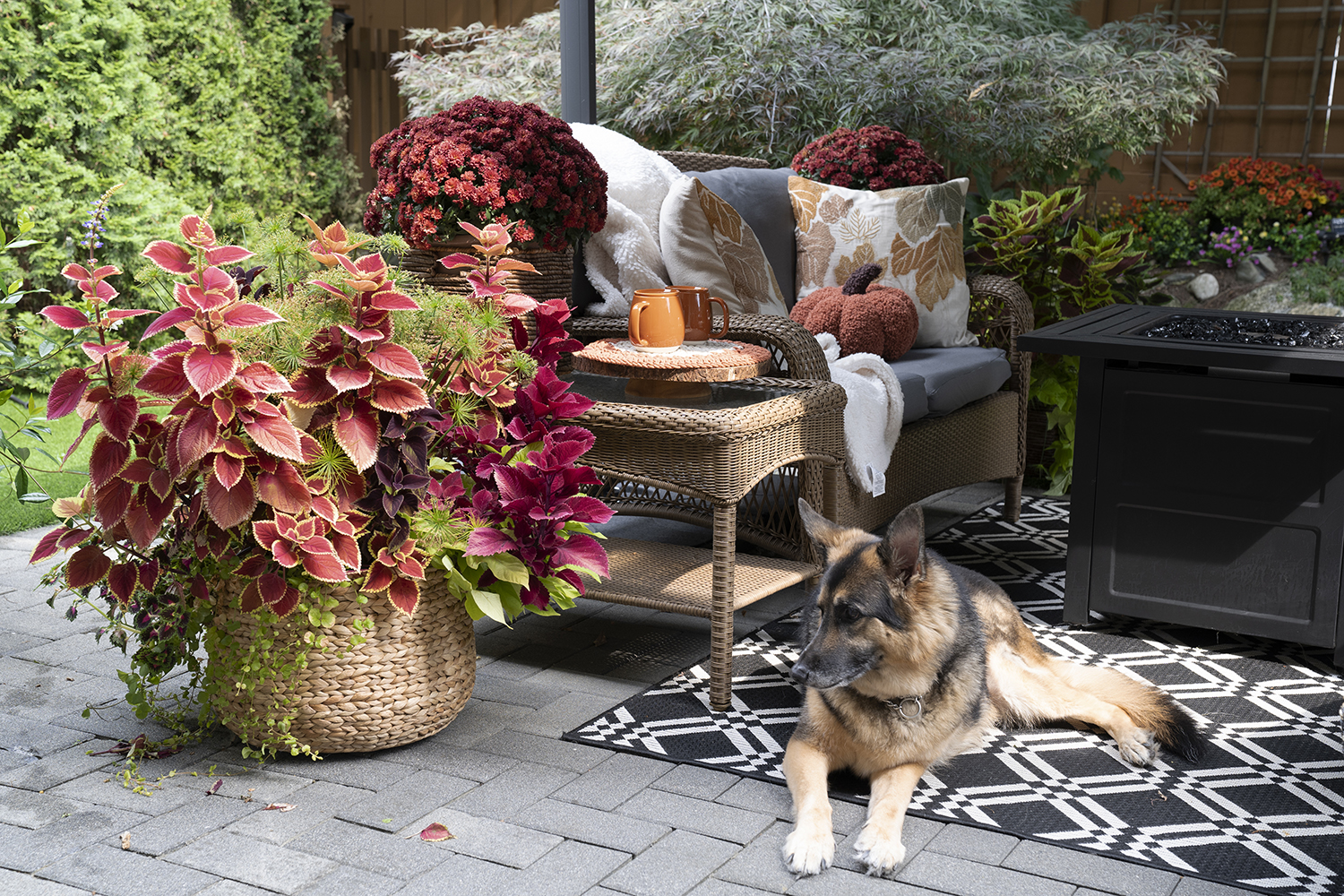
Cozy Outdoor Seating Area
Tracy Svendsen Design (Mark Schiefner Photography)
11. Autumnal Window Box Displays
A window box planted for fall adds seasonal color at eye level — visible from both inside and outside the house — and stays looking good through Thanksgiving with minimal maintenance. The key is choosing plants that perform well in cooler temperatures rather than simply recreating a summer planting.
This example from Carli at the Made by Carly blog shows the approach well: mums in rich autumn tones provide the main color, joined by ornamental kale and cabbage for textural contrast, grasses for movement, and pussy willow branches for height and structure. Trailing vines — asparagus fern, ivy, or sweet potato vine — cascade over the edge, softening the box’s outline and giving the arrangement a finished, intentional quality.
The Spiller/Thriller/Filler framework is a reliable starting point for any container planting, including window boxes:
- Thriller — the tallest, most dramatic plant that anchors the arrangement and draws the eye. Taller mums, ornamental corn stalks, or pussy willow branches work well here.
- Filler — compact plants that fill the middle layer and create density. Additional mums, ornamental kale, or cabbage are all good choices.
- Spiller — trailing plants that soften the edges and cascade over the front of the box. Asparagus fern, ivy, and sweet potato vine are the most reliable options for fall.
Three pumpkins tucked into the arrangement add a harvest element without requiring any planting — a simple detail that connects the window box to the house’s broader fall aesthetic.

Autumnal Window Box Display
Image courtesy of Made by Carli
12. Bringing Fall Into the Living Room
The living room is where fall decorating has the most impact, simply because it’s where most people spend the most time at home. Swapping throw pillow covers for rich earth tones that echo falling leaves is the single fastest way to shift the room’s palette seasonally, without touching anything structural. Lighting matters equally — replacing harsh overhead light with layered lamp light, candles, lanterns, and string lights changes the atmosphere of a room more dramatically than most people expect. A fireplace running in the background completes the picture.
This modern farmhouse living room showcases the seasonal palette at its richest — burnt-umber velvet accent chairs, earth-toned pillows in mixed patterns, caramel-toned stools, and a warm area rug create a layered, deeply autumnal atmosphere without a single seasonal decoration in sight. The color does all the work.
In my own home, I keep fall decorating intentionally minimal — my existing earth-tone color scheme means the season is already present in the room year-round. What I add is simple: a few extra throw blankets, autumn-scented candles, and a large vase filled with fall branches. Magnolia branches are my consistent recommendation — they add quiet elegance, hold their structure well through the season, and transition naturally into Christmas without requiring any change.

Fall Living Room Colors
Image courtesy of Amber Interiors
13. Let the Outdoors Set the Tone
The most effective fall decorating draws directly from what’s happening outside — the colors, textures, and materials of the natural world at its seasonal peak. Decorative pumpkins, gourds, seasonal fruit like apples and pears, colorful leaves, branches, acorns, and warm-toned candles all bring the outdoors in without requiring any manufactured seasonal decor.
This handcrafted log home living room illustrates the principle perfectly. A massive natural river rock fireplace anchors the room, paired with a caramel leather sofa, an olive green velvet accent chair, and a Southwestern area rug in gray and tan tones. The coffee table carries the seasonal moment — tall autumnal branches in a vase echo the forest view visible through the windows, while a moss-filled tray beside it reinforces the connection to the landscape outside. Layers of blankets throughout add warmth and texture without disrupting the room’s natural material palette. The warm tones of the handcrafted logs do most of the work here — in a log home, the architecture itself is already the most powerful natural element in the room, and fall simply amplifies what’s already present.

Country Dining Room with Natural Light
Image courtesy of Liz Bryan Interiors
14. Outdoor Entertaining as the Season Changes
Fall is one of the most genuinely pleasurable times to entertain outdoors — the air is cool enough to make a fire pit feel essential rather than optional, and the foliage provides a backdrop that no interior space can replicate. Comfortable seating with warm blankets, a fire pit or outdoor heater, and the earthy textures of fallen twigs, pinecones, and autumn blooms create an atmosphere that draws people outside rather than keeping them in.
This gazebo setting shows outdoor fall entertaining at its most considered. Surrounded by trees at peak autumn color with mountains visible in the background, the structure frames the landscape rather than competing with it. White drapes add an unexpected elegance to what could easily have been a purely rustic setting — the contrast between the soft, refined fabric and the wild fall foliage surrounding it is exactly the kind of detail that makes an outdoor space feel genuinely designed. Neutral tones throughout the seating and dining area keep the focus on the landscape itself, which, in a setting like this, does more than any decor element could.

Fall Outdoor Entertaining Area
Image courtesy of Scott R. Lewis Landscape Architecture
15. Seasonal Beverages for Fall Days and Evenings
Fall’s flavor profile — pumpkin, cinnamon, nutmeg, ginger, and maple — lends itself naturally to beverages as it does to food. Whether you prefer something iced or warm, these seasonal drinks mark the shift in season as effectively as any decoration.

Pumpkin Brown Sugar Shaken Espresso
Recipe available here: Thank You Berry Much Blog
Pumpkin Brown Sugar Shaken Espresso
An iced espresso drink that bridges summer and fall — pumpkin spice flavor combined with brown sugar oat milk and a caramel finish, shaken for a cold, energizing result. A good option for those who want fall flavors without committing to something warm.

Gingerbread Chai Tea Latte
Recipe available here: Thank You Berry Much Blog
Gingerbread Oatmilk Chai Tea Latte
A Starbucks-inspired copycat built around warm ginger, spicy cinnamon, and creamy oat milk — with a homemade gingerbread syrup that adds genuine depth beyond what the coffee shop version delivers. Works equally well hot or iced, and the syrup can be made in advance and kept in the refrigerator through the season.
16. A Fall Dining Room That Invites Lingering
The dining room responds well to fall decorating because the season’s materials — branches, rustic pottery, candlelight, layered textiles — are all naturally at home around a table. Rich textures like chunky knit and plaid throw pillows, earthy dishware, and the warm flicker of candlelight create an atmosphere that makes people want to stay at the table long after the meal is finished.
This dining nook shows how much character a relatively small space can hold. A curving wicker banquette fills one side, layered with autumn-toned throw pillows in florals, stripes, buffalo check, and solids — the mix of patterns works because the color palette stays consistent throughout. A dark wood oval table sits at the center, with two white farmhouse linen slipcover chairs opposite, one draped with an earth-tone plaid throw that connects the seating on both sides of the table. Rustic pottery filled with autumn branches serves as the centerpiece — simple, natural, and directly connected to the dining room’s seasonal moment. Black candlesticks with black candles add a graphic, slightly dramatic note that keeps the warm earth tones from feeling too soft.

Fall Dining Room
Image courtesy of Amber Interiors
17. The Art of Layering Fall Textures
Texture is what separates a fall room that feels genuinely seasonal from one that simply has autumn colors. Natural materials — wood, stone, woven fabrics — provide the foundation, while softer layers like velvet, nubby wool, faux fur, and smooth ceramics add the tactile depth that makes a space feel inviting to settle into. The goal is contrast between surfaces: something rough alongside something soft, something matte alongside something with a slight sheen.
This mood board captures the full range of layering opportunities the season offers. A woven rattan mirror, surrounded by candles and a vase of fall leaves, shows how natural materials and warm light work together at wall level. Faux-fur blankets and fall-toned pillows add a soft, tactile layer to seating areas that signals the season has genuinely arrived. Warm orange candles, a citrus-clove diffuser, and potpourri extend the fall aesthetic beyond the visual into scent — one of the most immediate and underused tools for seasonal decorating. Two floral arrangements in carved pumpkins complete the fall home decor picture, bringing the harvest element into the layered arrangement in a way that feels personal rather than store-bought.

Cozy Fall Decor
Image courtesy of Pottery Barn
18. Shades of Plum With Green & White
Not every fall palette has to lean orange and rust. Plum, green, and white is a genuinely sophisticated alternative — one that reads as unmistakably autumnal without relying on the season’s most obvious color cues. The deep richness of plum carries the warmth that fall requires, while tranquil greens in eucalyptus and foliage add an earthy, grounded quality. Crisp white pulls it all together with a freshness that prevents the deeper tones from feeling heavy.
This tablescape demonstrates exactly how refined that combination can be. A central floral display in plum tones combines eucalyptus branches, white florals, plum-toned leaves, and berry branches into an arrangement that feels lush without being overly abundant. White pumpkins and fresh plums scattered across the table extend the palette beyond the centerpiece, reinforcing the color story at every place setting. The overall effect is elegant and considered — proof that fall decorating can sit comfortably alongside formal entertaining without sacrificing any of the season’s warmth. This palette also transitions gracefully into late autumn and early winter, making it one of the more practical choices for anyone who prefers not to redecorate between Thanksgiving and Christmas.

Shades of Plum
Image courtesy of Ella Claire Inspired
19. Pumpkin Floral Arrangements
A hollowed-out pumpkin makes one of the most versatile fall vessels — it works as a Thanksgiving centerpiece, a hostess gift, or simply a seasonal display for a side table or mantel. The technique is straightforward: hollow out the pumpkin, insert a vase or a block of soaked floral foam, and arrange your blooms directly into it.
This design by Ella Claire Inspired uses foraged leaves as the base, which immediately grounds the arrangement in the season before a single flower is added. Deep burgundy dahlias provide the richest color note, while muted orange mums and white stock soften the overall palette and prevent the arrangement from reading as too dark. Red hypericum berries, kangaroo paw, and dried wheat complete the mix — the wheat in particular is what gives this arrangement its harvest quality, adding a dry, structural element that contrasts with the fresh blooms throughout.
Two carved white pumpkins filled with florals in earth tones alongside the main arrangement show how the same technique scales — smaller pumpkins as supporting vessels create a cohesive display that covers more of the table without requiring a single large arrangement to do all the work.


Pumpkin Floral Arrangements
Image courtesy of Ella Claire Inspired
20. Pair Pumpkins with Peaches & Copper Accents
This tablescape by Maison de Pax takes fall in a softer, more feminine direction — blush tones and copper accents replacing the traditional orange-and-rust palette for something genuinely unexpected. It’s a useful reminder that fall decorating has more range than its most obvious color associations suggest.
Blush hydrangeas sit alongside white pumpkins and fresh peaches — the peaches are the detail that makes this tablescape distinctive, introducing a soft, warm tone that sits between blush and apricot without committing to either. Eucalyptus adds a natural, earthy grounding that keeps the arrangement from feeling too precious, while copper dishes and stone-gray napkins bring in metallic and neutral elements that complete the palette. The copper in particular is doing important work here — it connects to the warmth of the season without using any of fall’s traditional colors, which is exactly what gives this tablescape its modern, refined quality.
For anyone who finds the conventional orange-and-rust fall palette too expected, this blush-and-copper combination offers a sophisticated alternative that works particularly well for formal Thanksgiving entertaining or an elegant autumn dinner party.

Copper Table Decor
Image courtesy of Maison de Pax
21. Cozy Layers in the Bedroom
The bedroom is one of the easiest rooms to shift into fall because the changes are almost entirely textile-based — no structural decisions, no significant purchases. Rich, earthy tones like deep brown, warm yellow, and soft green woven through throw pillows, quilts, and blankets do most of the work, with accent walls or statement furniture pieces adding depth for those who want to go further.
This log home bedroom shows the approach at its most considered. White bedding stays as the neutral base — clean and calm — while earth-tone pillows in greens and gold introduce the seasonal palette without overwhelming the room. A brown throw adds warmth at the foot of the bed, and a leather bench grounds the space with a natural material that suits both the log home architecture and the autumn color story. A faux-fur mat on the bench, with a round wicker tray holding a rustic pot of dried yellow florals, adds the finishing detail — layered, personal, and directly connected to the season without being overtly decorated. The dried florals in particular are worth noting as a practical recommendation: they last the entire season without any maintenance, and the yellow tones age gracefully as fall deepens into winter.

Cozy Fall Layers in the Bedroom
Image courtesy of West of Main Design
22. Display Fall Branches in Rustic Vases
A single large vessel filled with autumn branches is one of the most architectural fall-decorating choices available — it adds height, color, and a direct connection to the season without requiring any floristry skills or ongoing maintenance. The branches do the work entirely on their own.
This modern farmhouse dining room shows the impact a single strong element can have. Vertical shiplap walls and a rustic sideboard provide a clean, textural backdrop, while a dark dining table anchors the center of the room. A black rustic pot filled with orange autumn branches sits at the table’s center — the contrast between the dark vessel and the warm orange branches is graphic and immediate, requiring nothing else on the table to feel complete. The branch color echoes the warm tones typically found throughout a fall interior, while the black pot keeps the arrangement grounded and contemporary rather than purely rustic. This is the kind of low-effort, high-impact detail that works equally well on a dining table, a sideboard, an entryway console, or a mantel.

Decorating with Fall Branches
Image courtesy of Amber Interiors
23. Roses in Fall Hues
Roses are among the most versatile fall flowers precisely because they come in every tone the season calls for — deep burgundy, warm gold, blushing pink, vibrant orange, and rich red — all of which exist within the rose family and sit naturally alongside dahlias, wild roses, and autumn foliage without any visual tension.
The first image shows the rose palette in its purest form — warm yellows, golds, pinks, and reds together, the kind of arrangement that reads as genuinely abundant and seasonal without a single traditional fall element beyond the color itself. The roses alone carry the season.
The second image takes the concept outdoors to a rustic tablescape where hollowed-out pumpkins serve as vessels for rose arrangements paired with natural elements, greenery, and berry branches. The combination of the carved pumpkin vessel and the rose blooms is particularly effective — the pumpkin grounds the arrangement in harvest tradition while the roses elevate it beyond what a more typical fall centerpiece would achieve. This outdoor setting also shows how well fall florals translate beyond the dining room table — a rustic outdoor tablescape styled with roses and natural elements creates an atmosphere that makes an autumn gathering genuinely memorable.

Roses in Fall Hues
Image courtesy of Brigitte Tohm Unsplash

Outdoor Fall Tablescape
Image courtesy of Helen Norman Photography
24. Plaid Accents
Plaid is one of fall’s most reliable pattern choices — it works on throw blankets, pillows, table runners, and curtains, and it complements the season’s earthy palette in a way that feels natural rather than themed. The pattern has enough visual weight to read as a genuine design decision rather than a seasonal afterthought, which is what separates a well-styled fall space from one that simply has autumn decorations scattered around it.
This image captures the quieter side of fall decorating — a rustic tray on a weathered table holding autumn leaves, a mug of hot cocoa, and a book, with a plaid blanket folded alongside. It’s a simple, personal arrangement that doesn’t require any particular skill or investment to recreate, and it speaks directly to what the rustic fall aesthetic is really about — creating moments of comfort and warmth rather than perfectly styled vignettes. A plaid blanket within reach is both decorative and functional, which is exactly the kind of detail that makes a fall room feel genuinely lived-in.

Fall Aesthetics
Image courtesy of Alisa Anton Upsplash
25. Head to the Pumpkin Patch
Pumpkins are the most versatile element in fall decorating — they work on a front porch, a dining table, a mantel, a sideboard, or a garden path, and they transition from late September through Thanksgiving without looking out of place at any point. The key to using them well is variety — mixing sizes, colors, and textures creates displays with genuine visual depth rather than a uniform row of identical orange pumpkins.
White, green, and warty heirloom varieties alongside traditional orange pumpkins immediately elevate a display from seasonal to considered. Smaller gourds fill gaps and add textural interest at a lower visual level, while one or two larger statement pumpkins anchor the arrangement. From a carved jack-o’-lantern to a hollowed-out vessel for a floral arrangement, pumpkins adapt to whatever role the display needs — decorative, functional, or both. I visit the pumpkin patch every year as much for the selection of unusual varieties as for the tradition itself — the heirloom types you find there are rarely available in grocery stores, and they make a significant difference in how a display reads.

Fall Pumpkins
Image courtesy of Brigette Tohm Upsplash

Outdoor Fall Tablescape
Image courtesy of Upsplash
26. Gather Around the Hearth
A fireplace changes the entire atmosphere of a fall room — the crackling sound, the warmth, and the flickering light create a focal point that no other design element can replicate. It shifts a room from simply decorated for fall to genuinely experienced as fall, which is the difference between a space that looks seasonal and one that actually feels it.
This country cottage living room shows the fireplace at its most welcoming. A linen sectional faces a roaring fire directly, with a round gingham-upholstered coffee table between — the gingham is an unexpected, charming detail that reinforces the cottage character without requiring any additional decorative effort. The arrangement is deliberately simple: comfortable seating, a well-chosen coffee table, and a fire doing all the atmospheric work. Nothing competes with the fireplace for attention, which is exactly the right approach in a room where the hearth is the clear anchor.
In fall specifically, the hearth becomes the natural gathering point — for a cup of cocoa, a good book, or simply sitting with people you want to spend time with as the evenings grow longer. It’s one of the few design elements that genuinely changes how people behave in a room, drawing them toward it and encouraging them to stay.

Country Cottage Living Room with a Fireplace
Image courtesy of Amber Interiors
Embracing the Fall Aesthetic
Fall is one of those seasons that does most of the design work on its own — the colors, textures, and materials are already there, waiting to be brought indoors. Whether you lean toward a bold, saturated autumn palette or a softer, more neutral approach, the season offers genuine range for anyone willing to look out their window and respond to what’s actually happening.
The ideas in this guide cover everything from tablescapes and florals to outdoor spaces, living rooms, and bedrooms — but the thread running through them all is the same: fall decorating works best when it feels personal rather than purchased. A vase of branches from your own garden, a plaid throw you’ve had for years, a pumpkin from a local farm, candles lit at the end of a long day — these details do more for a fall home than any perfectly styled seasonal display.
However you choose to mark the season, I hope these ideas give you a starting point that feels genuinely your own.

Autumn Forest
Image courtesy of Balazs Busnak Upsplash

Autumn Waterfall
Image courtesy of Meric Dagli Upsplash
Frequently Asked Questions About Fall Aesthetic
What is the fall aesthetic?
The fall aesthetic is a visual and sensory approach to the season that draws on autumn’s natural palette — warm oranges, deep reds, golden yellows, rich burgundies, and earthy browns — and translates it into home decor, tablescapes, floral arrangements, fashion, and outdoor spaces. At its core it’s about creating an atmosphere that feels genuinely seasonal: warm, layered, and connected to the natural world as it transitions from summer into winter. Unlike purely trend-driven decor, the fall aesthetic has an enduring quality because it’s rooted in nature rather than fashion — the colors of autumn leaves and the textures of harvest season don’t go out of style.
How do you create a fall aesthetic at home?
Start with natural elements — branches, pumpkins, gourds, seasonal florals, and foraged leaves — since these establish the seasonal connection most directly and cost very little. From there, layer in warm textiles: plaid throws, chunky knit blankets, and linen pillow covers in autumn tones. Swap out lighter summer candles for deeper, warmer scents and add more candlelight throughout the home. In the dining room, a seasonal tablescape with natural fiber linens, rustic pottery, and autumn florals does more to establish a fall atmosphere than almost any other single change. The key is layering — fall aesthetic is built through accumulated warmth and texture rather than any single statement piece.
What are some fall themes for decorating?
The most enduring fall decorating themes all draw from the season’s natural palette and harvest traditions. A harvest theme leans into pumpkins, gourds, dried wheat, and seasonal produce as the primary decorative elements. A woodland theme draws on branches, pinecones, acorns, and forest-inspired textures. A modern fall aesthetic pairs the season’s warm colors with cleaner lines and more restrained styling — fewer traditional fall motifs and more emphasis on color and material. A rustic fall theme combines natural elements with aged wood, handcrafted pottery, plaid textiles, and candlelight for a deeply warm, layered result. Mixing two or three of these themes rather than committing to just one usually produces the most personal and interesting spaces.
What colors represent the fall aesthetic?
The classic fall palette centers on warm oranges, deep reds, golden yellows, and rich burgundies — the direct colors of autumn foliage at its peak. Earthy neutrals like warm brown, tan, and cream provide the base that ties these brighter tones together without competition. Beyond the traditional palette, fall also works beautifully in deeper, moodier directions: forest green, charcoal, plum, and deep terracotta all carry the season’s warmth while offering a more sophisticated alternative to the conventional orange-and-red combination. Copper and aged brass, as metallic accents, bridge warm tones and add a refined, seasonal quality that complements both traditional and modern fall palettes.
How do you decorate for fall on a budget?
The most cost-effective fall decorating strategy is to start outside — literally. Foraged branches, fallen leaves, pinecones, and seed pods from your own garden or a nearby park cost nothing and add genuine seasonal character that manufactured decor can’t replicate. Pumpkins and gourds from a local farm or farmers’ market are inexpensive and versatile, working equally well on a front porch, a dining table, or a mantel. Inside, swapping throw pillow covers rather than entire pillows for autumn tones is one of the most affordable ways to shift a room’s palette seasonally. A few pillow covers, a seasonal candle, and a vase of foraged branches from the garden can transform a living room for under $30 — the fall aesthetic is fundamentally about natural abundance, which means it’s one of the most budget-friendly seasons to decorate for.
View Recent Posts
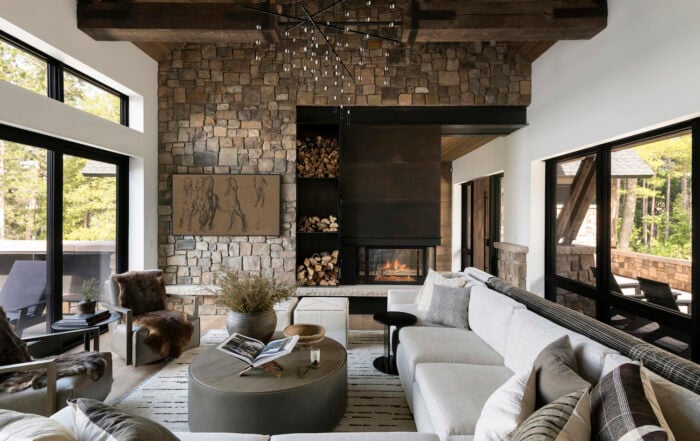
Modern Rustic Decorating Ideas
Transform your home into a warm, welcoming retreat with these modern rustic decorating ideas. Combining the best of both worlds, this design style effortlessly blends contemporary elements with the charm of rustic aesthetics.
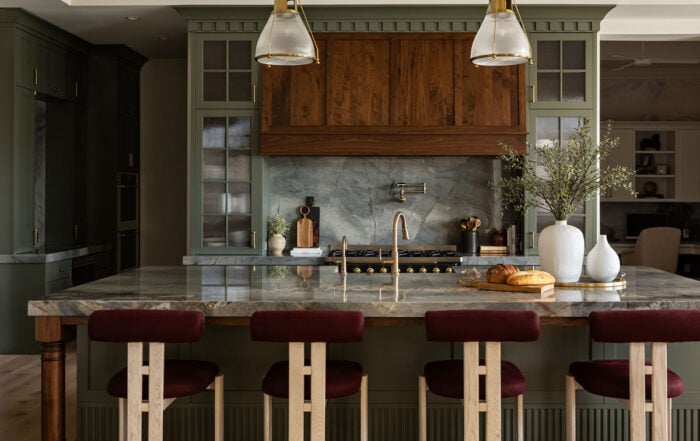
Stunning Range Hood Design Ideas
Range hood design ideas covering stone, wood, plaster, copper, and stainless steel — with designer tips on proportion, material selection, and installation.

Fireplace Design Ideas
45 fireplace design ideas, from ceiling-high stone and fluted plaster to wood paneling and black tile, with a designer’s tips on materials, scale and color.
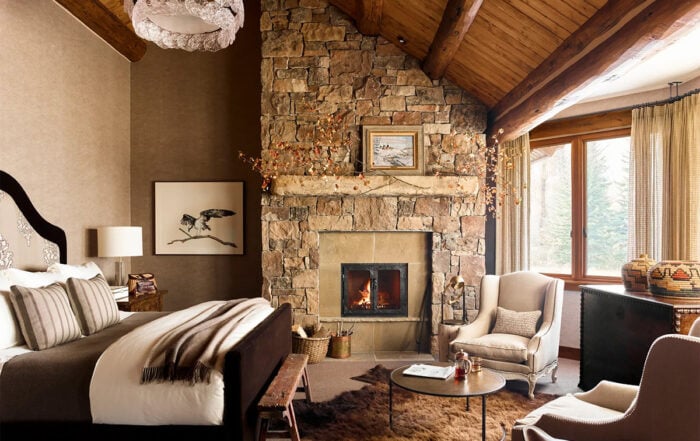
Rustic Bedroom Ideas
Rustic bedroom ideas covering natural materials, layered textiles, color palettes, and professional design strategies for log cabin, modern rustic, Scandinavian, and luxury retreat styles.
Rustic Bathroom Ideas
Rustic bathroom ideas — natural materials, vintage fixtures, earthy palettes, and designer tips for log homes, cabins, and mountain retreats.
Cream Kitchen Cabinet Ideas
Cream kitchen cabinet ideas curated by interior designer Tracy Svendsen. Warmer than white and more versatile than beige, cream cabinets work beautifully across farmhouse, rustic, traditional, and modern kitchens.

