
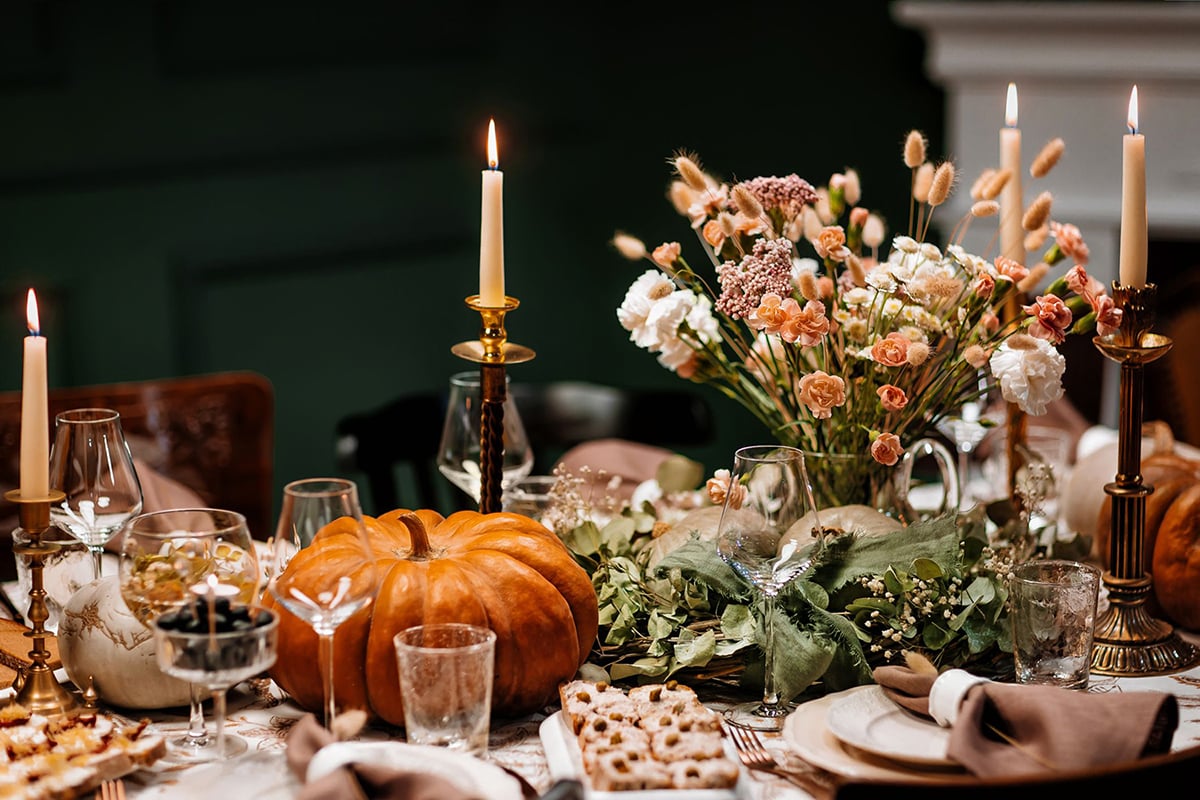
21 Rustic Thanksgiving Tablescape Ideas
By Interior Designer TRACY SVENDSEN | Published on October 04, 2017 | Updated September, 23 2026 |
The Thanksgiving table is one of the few moments in the year where the setting itself becomes part of the celebration — a genuinely considered tablescape communicates the care that went into the meal before a single dish arrives. Getting it right doesn’t require expensive props or professional floristry. It requires a clear direction, a cohesive palette, and a willingness to layer natural materials with personal objects.
I approach Thanksgiving tablescapes the same way I approach any interior — starting with one strong element and building everything else around it. That anchor might be a piece of inherited china, a collection of gourds in a specific color range, a set of candlesticks, or a vintage textile runner. Once the anchor is established, every other decision either supports it or gets edited out.
The 21 ideas in this guide cover the full range of Thanksgiving tablescape directions — from traditional rustic and farmhouse to modern and nature-inspired — with specific guidance on centerpieces, color schemes, lighting, and the personal touches that make a table genuinely memorable. Feature image courtesy of House Beautiful.
Rustic Thanksgiving Tablescape Ideas: Key Takeaways
- Start with one anchor element — a centerpiece, a family heirloom, a bold tablecloth, or a specific color palette — and build everything else around it rather than sourcing pieces independently.
- A narrow color palette of two or three tones always reads as more considered than one incorporating every autumn color. Choose one dominant tone and let everything else support it.
- Layer the place setting — two plates in different patterns, a cloth napkin with a distinctive ring, and a charger beneath the dinner plate add depth and visual interest to every seat at the table.
- Natural materials — reclaimed wood, aged metal, linen, foraged foliage, and seasonal produce — contribute more authentically to a rustic table than pieces manufactured to look rustic.
- Candlelight is the single most impactful addition — a mix of taper candles at varying heights and small votives creates the warm, intimate quality that transforms a table after dark.

Fall Tablescape Ideas
Image courtesy of AndeeLayne
1. Choose a Theme for Your Tablescape
A Thanksgiving tablescape works best when every element references the same visual language — the same color range, the same material family, the same level of formality. Choosing a direction before sourcing a single object prevents the “accumulating things randomly” approach that makes tablescapes feel busy rather than considered.
The most natural directions for a rustic Thanksgiving table are traditional rustic — wood accents, burlap runners, candlelight — farmhouse, with striped textiles, foraged leaves, and autumnal centerpieces, or nature-inspired, using foliage like fir, eucalyptus, cedar, pinecones, branches, and dried flowers as the primary decorative material. Each direction has its own material vocabulary — committing to one and editing out anything that doesn’t belong to it is what gives the finished table its coherence.
Designer Tip: I recommend limiting a Thanksgiving tablescape to three or four decorative materials maximum — for example wood, linen, foliage, and one metallic accent. The restraint is what gives the finished table its coherence. Every additional material beyond that tends to compete rather than contribute.
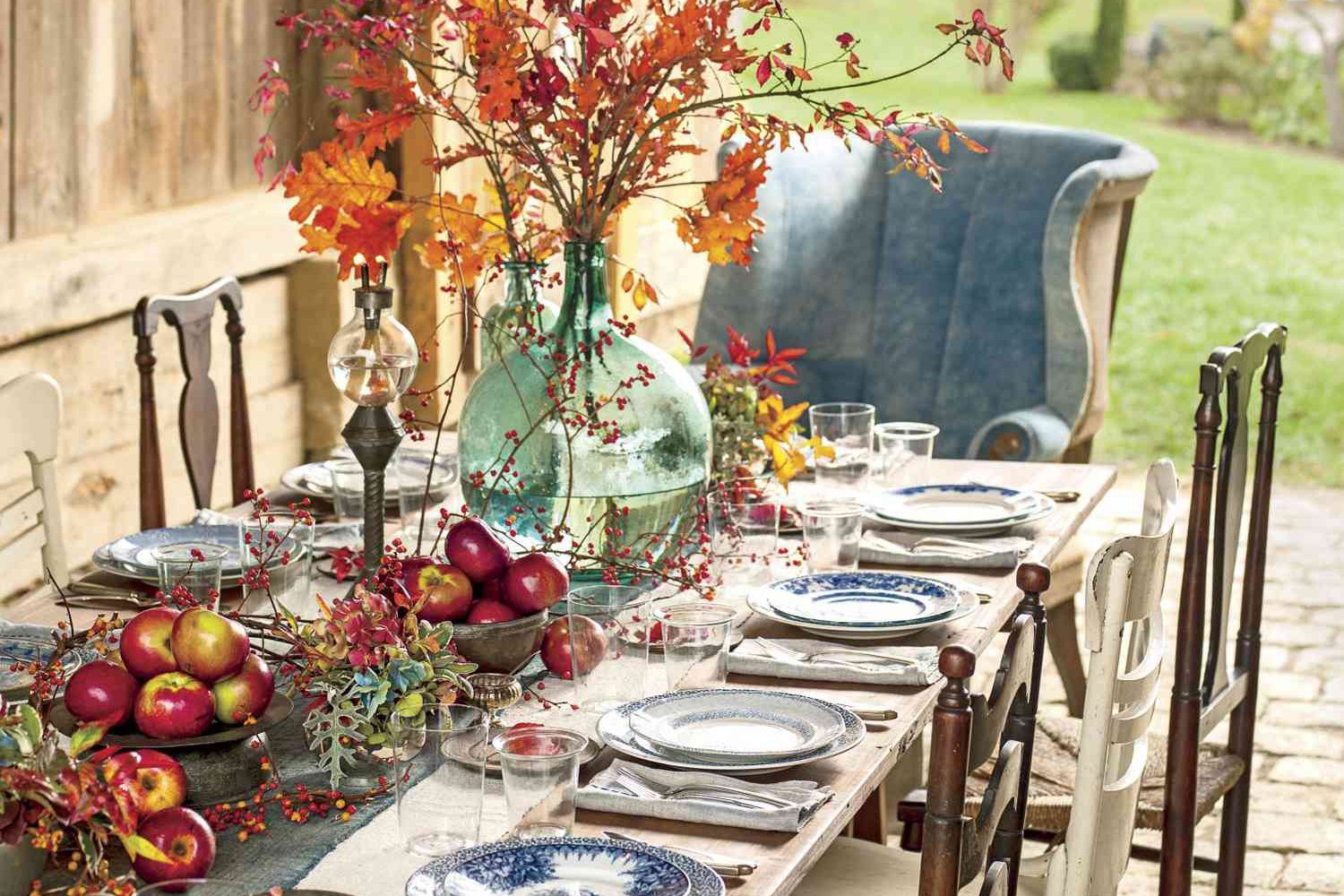
Vibrant Outdoor Thanksgiving Tablescape
Image courtesy of Southern Living/Helen Norman Photography
2. Selecting a Color Scheme
A Thanksgiving color scheme works best when it references the autumn landscape directly — the specific ochres, rusts, deep greens, and warm browns of the season rather than a generic “fall palette.” The most resolved tablescapes draw from a narrow color range and let texture and material variety provide the visual interest rather than color contrast.
Choose one dominant tone and build around it. A brown-dominant palette layers naturally with ochre, terracotta, and cream — warm and earthy without feeling heavy. A neutral-dominant palette of cream, white, and linen allows the natural materials — gourds, foliage, wood — to carry the color. For a more contemporary direction, use deep burgundy or forest green as the dominant tone, with warm metallic accents, to create a Thanksgiving table that feels current without losing seasonal warmth.
Designer Tip: I recommend pulling the color scheme from the centerpiece first — whether that’s a floral arrangement, a collection of gourds, or a foliage display — and then selecting linens, candles, and tableware to complement those specific tones rather than choosing colors independently and hoping everything connects.

Thanksgiving Table in Orange, Green, Red & Yellow
Image courtesy of Rikki Snyder Photography
3. Layer the Dinnerware for Visual Impact
The place setting is the most personal element of a Thanksgiving tablescape — and layering three or four plates in different patterns and scales creates a collected, considered quality that a single plate on a plain charger never achieves. The key is finding plates that share a color family or visual language rather than matching exactly.
This tablescape by Emily of Le Cultivateur shows dinnerware layering at its most considered. A botanical pattern base plate sits over black-and-white striped linens, topped by a classic white ruffled plate, then a smaller botanical plate, and finally a green ceramic leaf with a personalized miniature white pumpkin—five distinct layers at a single place setting, each adding depth without competing. A wooden serving board anchors the center of the table as the centerpiece base, holding a lush floral arrangement of proteas, roses, seeded eucalyptus, and varying sizes of white pumpkins in warm plums, greens, soft pinks, and cream. Glass and gold votives alongside white tapered candles in antique metal candlestick holders add the height variation that a flat centerpiece arrangement never achieves.
Designer Tip: I recommend building height into a Thanksgiving centerpiece with candles at varying heights rather than through floral arrangements alone—tapered candles in antique metal holders, votives at different levels, and pillar candles create the vertical interest that draws the eye along the full length of the table.

Warm & Inviting Tablescape
Image courtesy of Le Cultivator
4. Rustic Thanksgiving Table Decor
The most compelling rustic Thanksgiving tables share one quality — they feel genuinely assembled rather than purchased. Natural materials, family pieces, and objects with actual age and history create a table that tells a story before anyone sits down.
This tablescape photographed by Rikki Snyder shows rustic Thanksgiving decor applied with real restraint. An antique copper urn filled with fall foliage, oak leaves, and deep-toned seasonal florals anchors the reclaimed wood dining table, while small orange and white pumpkins and loose autumn leaves scattered down the center keep the natural material quality consistent throughout. Dark burgundy taper candles in minimalist black holders spaced evenly down the table add the vertical element and candlelight that transforms the atmosphere after dark. Terracotta-toned ceramic dinnerware with vintage-styled flatware grounds the place settings in the same warm earthy palette as the centerpiece.
Designer Tip: Solid-toned ceramic dinnerware in a single earthy color — terracotta, sage, warm cream, or deep burgundy — is one of the most effective choices for a rustic Thanksgiving table. The solid color lets patterned linens, textured centerpieces, and varied glassware read clearly without competing with the plates.

Thanksgiving Table Decor
Image courtesy of Rikki Snyder Photography
5. Display a Thanksgiving Centerpiece
The centerpiece doesn’t need to be elaborate to be effective — a single strong idea, executed with good materials, consistently outperforms a busy arrangement trying to do too much at once.
These two centerpieces show that principle clearly. The first uses a rectangular wicker basket filled with bright yellow sunflowers, white daisies, eucalyptus branches, and pinecones—the natural fiber basket connects the arrangement directly to the rustic table setting, while white linen napkins tied with olive green velvet bows add refined detail at the place-setting level. The second takes a completely different approach — three heirloom pumpkins stacked large to small in white, pale green, and dark green, surrounded by magnolia leaves, pinecones, and small nuts. No florals, no candles — just the sculptural quality of the pumpkins themselves doing the design work.
Designer Tip: I recommend letting one element lead the centerpiece — whether that’s the florals, the pumpkins, or the foliage — and treating everything else as supporting material. When one element clearly dominates, the arrangement reads as intentional rather than accumulated.


Rustic Thanksgiving Centerpieces
Images courtesy of HGTV (Marian Parsons)
6. Use Fall Foliage
Fall foliage — branches, leaves, berry clusters, and seasonal greenery — is the most cost-effective and genuinely organic material available for a Thanksgiving table. A trip to the garden or a fall market yields branches, pinecones, leaves, and seasonal produce that bring the specific character of the season to the table in a way that’s difficult to replicate with purchased arrangements alone.
These two outdoor tablescapes by The Interior Collective show fall foliage used in two completely different ways. The first keeps everything at table level — a large vintage wooden dough bowl filled with fall foliage, a pumpkin, squash, artichokes, apples, and pears, with floral and berry stems adding height and texture throughout. Taper candles placed across the uncovered wood table celebrate the natural patina of the surface, while plaid napkins and a throw blanket draped over each chair — doubling as a guest keepsake — add the warm, generous quality that defines an outdoor harvest table. The second takes the foliage vertical — branches in fall hues, berry clusters, and greenery woven into a string suspended above the length of the table, with a collection of neutral candles in varying heights running below it on a white tablecloth.
Designer Tip: I recommend leaving a natural wood table uncovered for an outdoor Thanksgiving setting — the patina of the wood surface is itself a design element that a tablecloth conceals. A simple linen runner down the center provides enough definition without covering the table’s most distinctive material quality.


Autumn Harvest Thanksgiving
Images courtesy of the identity Collective
7. Use a Riser for Height and Definition
A riser — a whitewashed wooden board, a wooden crate, or a slate slab elevated on small feet — creates a defined centerpiece zone that gives the table its visual structure. It separates the decorative elements from the dining surface and adds the height variation that a flat arrangement can’t achieve.
This farmhouse tablescape by Emily of Le Cultivateur shows a whitewashed wooden riser used as the centerpiece foundation. White pumpkins in varying sizes, cascading eucalyptus and berry clusters, and a mixture of candle holders in vintage brass, silver, and birch bark sit on the riser at varying heights — the elevated platform giving the arrangement its architectural quality. White tapered candles and white votives on the table surface below carry the candlelight beyond the riser and into the full length of the table.
Designer Tip: I recommend a riser to add height and a defined focal point to a Thanksgiving table — the elevated surface creates a clear centerpiece zone that keeps decorative elements from spreading across the full table. The riser can add contrast — a whitewashed finish on a warm wood table, dark slate on a white tablecloth, or a bold-colored riser for a pop of contrast against a neutral setting.


Setting a Thanksgiving Table
Image courtesy of Le Cultivateur
8. Use Seasonal Produce as Decoration
Seasonal produce — pears, pomegranates, artichokes, persimmons, cranberries, and squash — brings a genuine harvest quality to a Thanksgiving table that purely decorative objects rarely achieve. The irregular shapes, varied colors, and natural imperfections of fresh produce create the organic abundance that defines a genuine harvest table.
These two tablescapes show seasonal produce used as the primary centerpiece material in two distinct directions. The first layers Bosc pears down a farmhouse striped linen table runner on a warm wood table — the golden tone of the pears connecting naturally to dark purple and green branch stems and berry clusters woven throughout, with brass candlestick holders in varying heights adding the warm metallic accent. The second uses a white textured table runner on a live edge wood table as the foundation, then layers eucalyptus branches, pomegranates, artichokes, persimmons, cranberries, and a few faux antlers across the full length — white linen napkins tied with fresh greenery and cranberries completing the place settings.
Designer Tip: I recommend starting with a table runner as the first layer before placing any produce or decorative elements — it defines the centerpiece zone and gives everything placed on top a cohesive foundation regardless of how loosely the arrangement is styled.

Thanksgiving Tablescape with Bush Berry Clusters & Bosc Pears
Image courtesy of Blesser House

Thanksgiving Centerpiece with Fresh Fruit
Image courtesy of Tayrn Whiteaker
9. Go Bold With Color
Not every Thanksgiving table needs to stay within the conventional rust and gold palette — a bold, maximalist approach using the full range of autumn color creates a table with genuine visual impact and personality.
Interior designer Jess of Ivory and Noire starts her tablescapes at the fabric store rather than the flower market — sourcing distinctive fabrics as the custom tablecloth foundation before choosing a single flower, then building the entire color story outward from that starting point. Feather placemats add texture at the place setting level, while the centerpiece layers zinnias, spider mums, seeded eucalyptus, Gerber daisies, roses, and dried vintage hydrangeas alongside golden pears, pomegranates, tangerines, artichokes, and persimmons — the combined palette running from deep orange through bright magenta. Amber wine goblets catch the light throughout. The collected quality comes from mixing new and vintage elements within the same bold color story.
Designer Tip: I recommend starting a bold Thanksgiving tablescape with the fabric or linen choice rather than the florals — the tablecloth sets the color range that everything else responds to, and sourcing a distinctive fabric from a fabric store rather than a standard linen retailer gives the table its most personal and unexpected foundation.


Colorful Fall Tablescapes
Images courtesy of Ivory & Noire
10. Add Character with Napkin Rings
Napkin rings are one of the smallest details on a Thanksgiving table and one of the most noticed — they signal the level of care that went into the setting before a single dish arrives. A distinctive napkin ring in a natural material connects the place setting directly to the broader tablescape direction.
This organic, earthy tablescape features antler napkin rings with consistent material quality. Deep green linen napkins folded through antler rings sit on forest-scene dinnerware, layered over warm wood chargers on cream woven-texture placemats—every element at the place-setting level references the same natural, woodland aesthetic. A cream-toned vase filled with white berry branches and forest-scene glassware carry the organic direction throughout, while black-and-white placemats at the center of the light oak table provide the graphic contrast that grounds the otherwise warm, natural palette. Wicker chairs with woven backs connect the seating to the same natural fiber vocabulary as the placemats and chargers.
Designer Tip: I recommend choosing napkin rings in a natural material — antler, twisted vine, leather, or brass — that connects to at least one other element already on the table. When the napkin ring references the centerpiece direction, the place setting feels part of a complete composition rather than an afterthought.
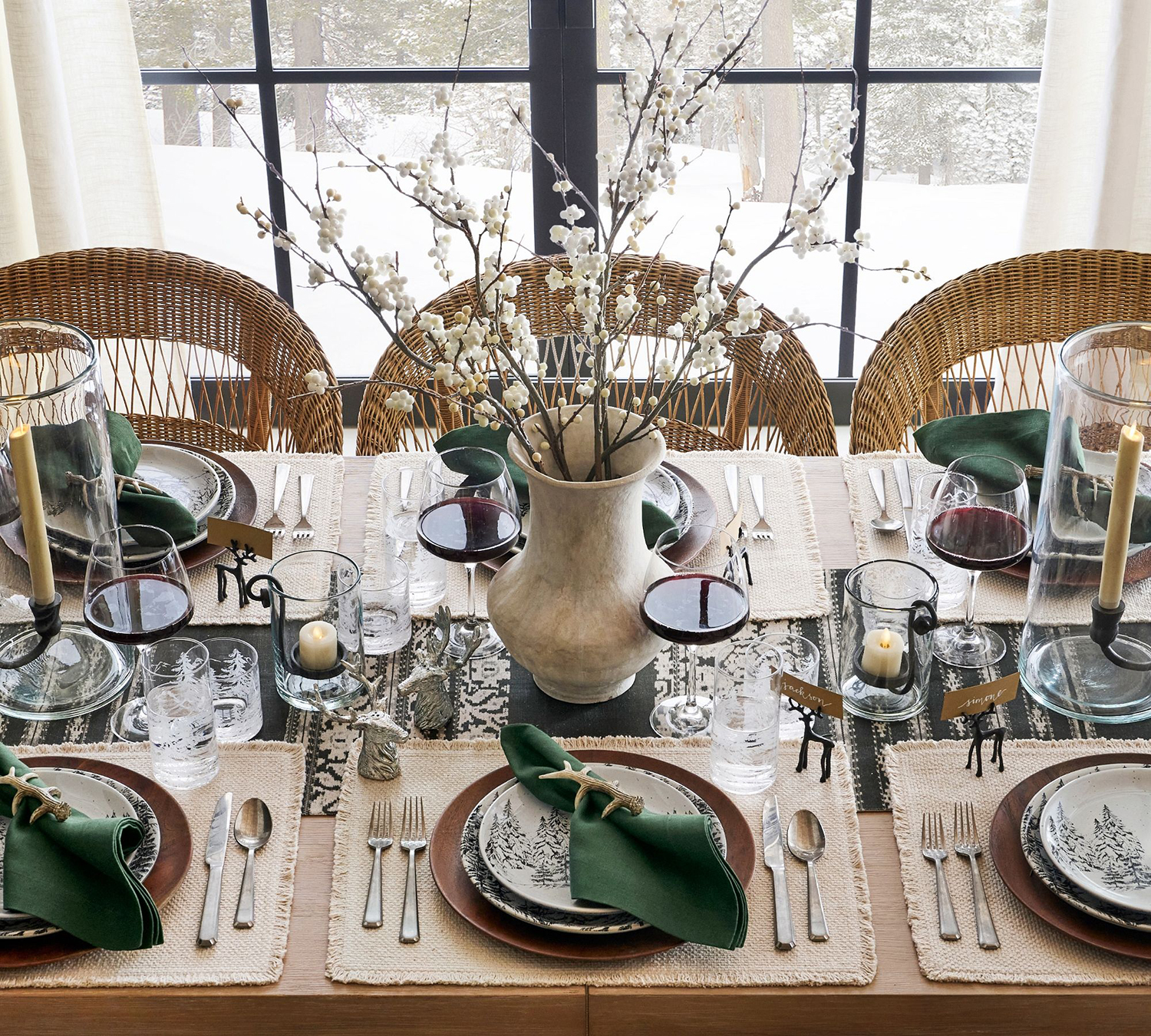
An Earthy Organic Tablescape with Linen Napkin Rings
11. Extend the Tablescape to the Mantel
A dining room fireplace mantel is one of the most underused styling opportunities at Thanksgiving — when the mantel carries the same color palette and material language as the table, the entire room reads as a considered whole rather than a decorated table in an otherwise unrelated space.
This dining room shows that connection handled naturally. The table palette of oranges, yellows, and pinks — carried through watercolor foliage plates, chocolate and warm gold flatware — continues onto the fireplace mantel through fresh and dried florals in the same color range. The mantel doesn’t need to mirror the table exactly — it simply needs to reference the same seasonal palette so the eye moves naturally between the two focal points.
Designer Tip: I recommend connecting the mantel and table through one or two repeated elements rather than a completely different treatment on each — a fall garland on the mantel that echoes the centerpiece foliage, the same candlestick holders or candle color carried from table to mantel, a velvet ribbon in the same tone as the napkins, or miniature pumpkins scattered across both surfaces. The repetition of even a single material or color creates the visual thread that makes the room feel intentionally styled rather than separately decorated.
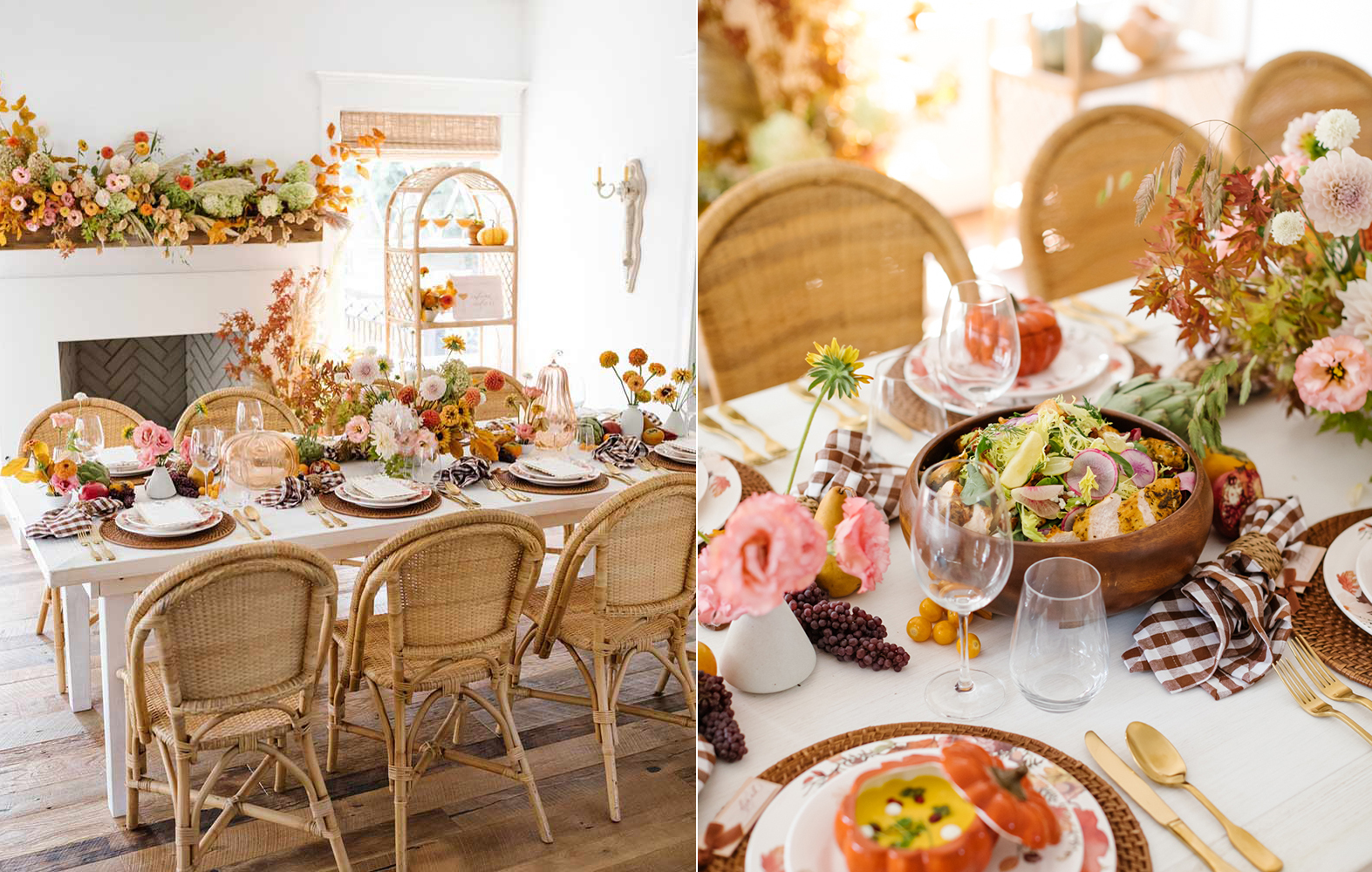
Adding Texture, Pattern & Elevation
Image courtesy of Beijos Events
12. Incorporate Plaid for a Seasonal Touch
Plaid is one of the most naturally suited patterns for a Thanksgiving table — its warm grid structure connects to the textile traditions of farmhouse and country design, while its color range suits the autumn palette perfectly. The key is pairing plaid dinnerware or linens with a quieter surface so the pattern reads clearly without competing.
This Pottery Barn tablescape shows plaid stoneware in warm olive green, rust, and gold stacked on gold charger plates — the pattern leading the place setting while a textured oatmeal runner with small fringe and whimsical wildlife napkins in warm earth tones provide the supporting texture. Gold flatware and antique brass candlestick holders with cream taper candles carry the warm metallic thread throughout, while a centerpiece of rich plum hydrangeas with pale pink and cream florals introduces the color contrast that lifts the warm earth tone palette.
Designer Tip: I recommend pairing plaid dinnerware with a solid or subtly textured runner rather than a patterned tablecloth — the solid surface gives the plaid pattern the breathing room it needs to read clearly. A textured neutral like oatmeal linen or woven burlap works particularly well alongside plaid stoneware in earth tones.
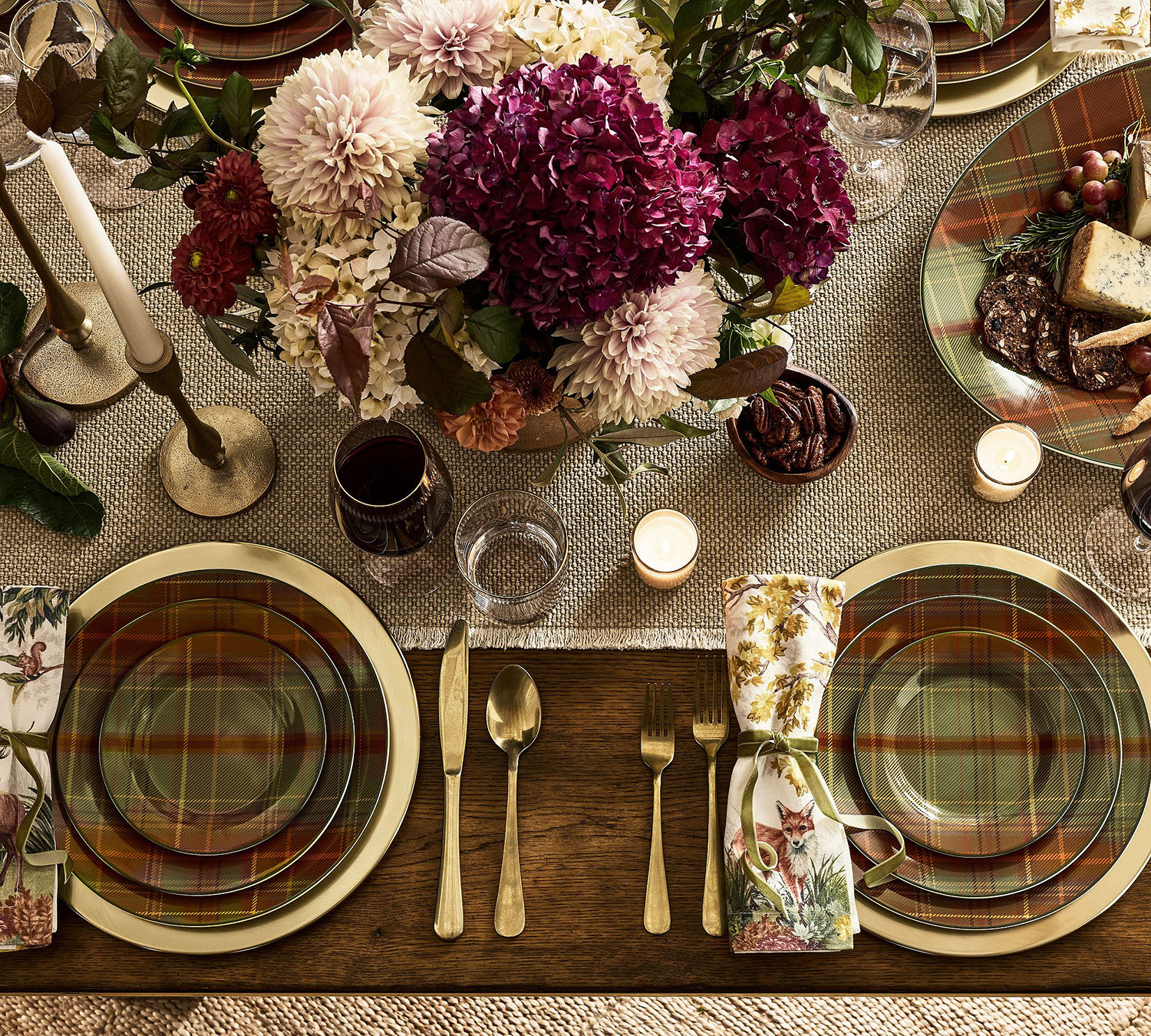
Thanksgiving Table Setting with Plaid Plates and Brass Chargers
13. How to Set a Thanksgiving Table
A well-set table communicates care before a single dish arrives — and the difference between a casual and formal Thanksgiving setting comes down to a few specific placement decisions rather than the quality of the dinnerware itself.
For a casual Thanksgiving setting, the basics are straightforward — dinner plate centered on the placemat or charger, fork to the left, knife and spoon to the right with the knife blade facing inward, and a water glass above the knife. A folded cloth napkin tucked under the fork or placed on the plate adds the finishing detail.
A formal setting builds on that foundation — a charger plate beneath the dinner plate, a bread plate with butter knife to the upper left, a soup bowl on top of the dinner plate if serving soup, multiple forks on the left in order of use from outside in, and wine glasses arranged above the knives in order of use. The napkin is folded and placed on the charger or in a napkin ring.
Designer Tip: I recommend investing in a set of charger plates as the single most impactful addition to a Thanksgiving table — they frame the place setting, add the layered quality that a dinner plate alone never achieves, and work across every seasonal occasion from Thanksgiving through Christmas and beyond.


How to Set a Table Guide by Sugar and Charm
Image courtesy of SugarandCharm
14. The Role of Candlelight at the Thanksgiving Table
Candlelight does more for a Thanksgiving table than any other single element — it shifts the entire quality of the setting as daylight fades, creating the warm, intimate character that overhead lighting never replicates. The type of candle holder matters as much as the candles themselves — clear glass votives keep the light visible from all angles, tall candlesticks add vertical drama, and lanterns introduce the rustic material quality that suits a harvest table.
This tablescape shows candlelight integrated naturally within a richly layered setting. An autumnal damask tablecloth in warm browns, tan, and muted rose anchors the table, paired with jute round placemats, white ceramic dinner plates, striped linen napkins in warm earth tones, amber tumblers, and oversized red wine glasses. White pumpkin ceramic lidded soup bowls and wood owl figurines add the seasonal character at the place setting level. The centerpiece florals in rich wine, burgundy, and plum tones with muted sage, dusty green, and eucalyptus bring the harvest color palette, while tapered candles in clear glass holders in a natural hue provide the warm glow that ties the full composition together after dark.
Designer Tip: I recommend looking beyond standard candlestick holders for a Thanksgiving table — antique brass, mercury glass, birch bark, twisted iron, and natural wood all add material character that a conventional holder doesn’t. A mix of two or three different holder styles at varying heights creates the collected, layered quality.

Pottery Barn Thanksgiving Tablescape
15. Use a Dark Tablecloth as the Foundation
A deep, rich tablecloth — chocolate brown, navy, forest green, or burgundy — creates a Thanksgiving table with more drama and sophistication than a white or neutral foundation. The dark surface makes every element placed on it read with greater clarity and intensity, from the foliage and florals to the candlelight and glassware.
This tablescape by Charleston-based event designer Blake Sams shows a deep chocolate tablecloth used as the foundation for a layered harvest composition. Formal patterned plates, olive green tumblers, and clear wine glasses sit within the dark palette, while large jagged-edged banksia foliage in deep orange tones and four tall mustard yellow taper candles in antique silver candlesticks provide the warm color and height that the dark tablecloth anchors rather than competes with. The white fireplace mantel and gold-framed mirror behind the table provide the light architectural counterpoint that prevents the dark table from dominating the room.
Designer Tip: I recommend pairing a dark tablecloth with at least one element in a warm metallic — antique silver, brass, or gold candlesticks or chargers — to prevent the table from reading as too heavy. The metallic catches the candlelight and lifts the overall composition.


Decorating the Mantel
Image courtesy of House Beautiful (Blake Sams Design)
16. A Woodsy Thanksgiving Tablescape
A woodsy Thanksgiving table draws from the forest floor rather than the harvest field — ferns, moss, branches, and organic foliage replacing the conventional pumpkins and dried botanicals. The material palette shifts toward deep greens, warm browns, and the kind of layered natural texture that feels genuinely gathered rather than arranged.
This tablescape by Blake Sams shows the woodsy direction applied with genuine material specificity. A warm brown-and-white patterned tablecloth provides the foundation, topped with a round leather charger with stitched perimeter detail—the leather adds the tactile, handcrafted quality that ceramic or rattan chargers don’t achieve. A Country Estate dinner plate from Juliska in white with a charcoal country scene, a rich textured charcoal napkin from Deborah Rhodes, vintage silver flatware, and William Yeoward Crystal glassware layer the refined elements within the organic palette. Fern leaves spread across the full table surface give the composition its woodsy, forest-floor character. A handwritten menu card in warm cinnamon tones sits on each place setting — the personal finishing detail that signals genuine hospitality.
Designer Tip: I recommend a handwritten or printed menu card at each place setting — it signals care and intention before the meal begins, and it gives guests something to reference and take home as a keepsake of the occasion.
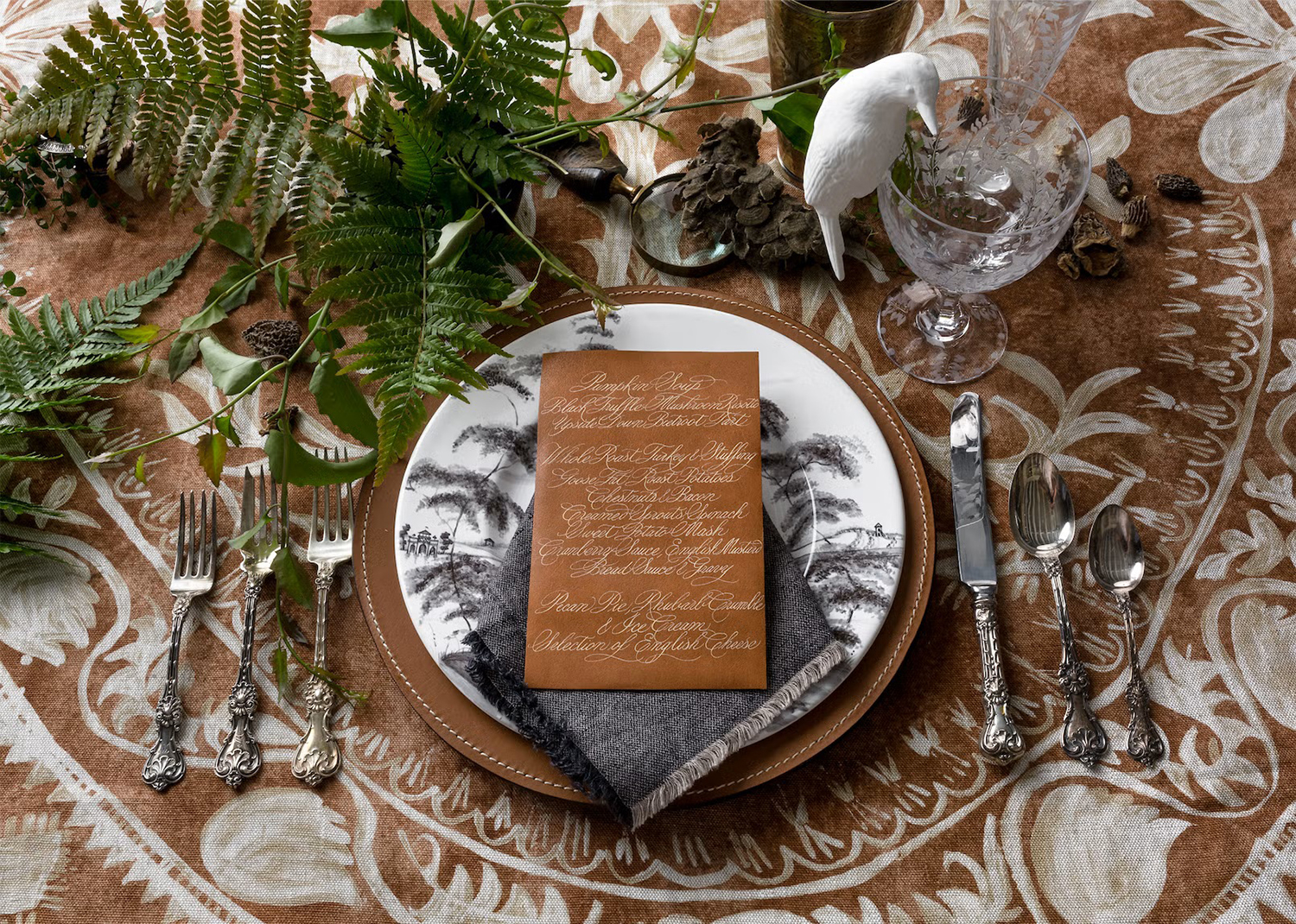
A Natural, Woodsy, and Organic Thanksgiving Table Scape
Image courtesy of Veranda (Gregory Blake Sams Design, John Hillin Photo)
17. A Rustic Farmhouse Thanksgiving Table
The farmhouse Thanksgiving table works because it draws from the same material vocabulary as the season itself — linen, wood, brass, foliage, and handmade elements that feel genuinely gathered rather than purchased. The relaxed quality of farmhouse styling suits Thanksgiving particularly well — it’s a celebration that benefits from warmth and abundance rather than formality.
This tablescape shows farmhouse materials layered with genuine consideration. A ruffled white linen table runner on an antique wood table provides a soft foundation, while white scalloped plates, brown-and-white vintage salad plates, and brown linen napkins on top create the layered place setting. A mix of antique brass candlestick holders and handmade birch branch candle holders with yellow and white tapered candles introduce the natural, artisan detail that distinguishes a genuinely farmhouse table from a simply rustic one. Orange and white pumpkins in varying sizes, leafy branches, pinecones, and a bowl of pink roses in the center complete the abundant, harvest-inspired centerpiece.
Designer Tip: I recommend incorporating at least one handmade element into a farmhouse Thanksgiving table — birch branch candleholders, a hand-tied foliage bundle, or a simple foraged arrangement. The handmade quality is what gives a farmhouse table its most genuine character.


Farmhouse Thanksgiving Table
Image courtesy of Le Culitvateur
18. A Modern Take on the Cornucopia
The cornucopia is one of the most recognizable Thanksgiving symbols — and one of the most consistently overlooked in contemporary tablescapes because the traditional dark wicker version feels dated. A cream or light-toned cornucopia with a subtle metallic finish modernizes the symbol immediately while retaining its harvest meaning.
This centerpiece by Shawn of Flower Bar Co. shows the cornucopia reimagined for a bright, contemporary Thanksgiving table. A cream textured cornucopia with subtle glitter and metallic sheen replaces the conventional dark wicker basket — the light palette reflecting candlelight and connecting naturally to the cream, pink, orange, yellow, and green floral palette of dahlias, garden roses, ranunculus, and eucalyptus branches arranged alongside it. A ceramic vase, yellow tapered candles, miniature pumpkins, and small bud vases filled with florals extend the centerpiece beyond the cornucopia itself. Glassware etched with “Happy Thanksgiving” adds the personal, celebratory detail at the place setting level.
Designer Tip: I recommend choosing a cornucopia in a light or metallic finish rather than the traditional dark wicker — the lighter tone suits contemporary table palettes more naturally and allows the florals and produce spilling from it to read clearly rather than disappearing into a dark background.

Striking Focal Point
Image courtesy of Bonjour Fete
19. Rustic Glam Thanksgiving Table
Rustic glam sits at the intersection of organic natural materials and refined metallic accents — the warmth of woven textures, aged wood, and foliage paired with brass, gold, and polished surfaces. The combination prevents the table from reading as purely rustic or purely formal, landing instead in the considered middle ground that suits a celebratory Thanksgiving dinner.
This tablescape by The Lifestyled Co. incorporates scalloped black chargers layered with cream stoneware dinner plates, natural linen napkins, a salad plate, and a brass pear to create the layered, metallic-accented place setting. Woven rattan pumpkins add the organic texture throughout, eucalyptus branches run the length of the antique wood table, and glass candlestick bases with white tapered candles complete the refined yet natural composition. The antique wood table surface — left uncovered — adds the raw material quality that grounds the metallic accents and prevents the table from feeling overdressed.
Designer Tip: I recommend introducing woven or rattan textures — lanterns, pumpkins, placemats, trays, or candle holders — into a Thanksgiving tablescape as the organic counterpoint to metallic accents. The contrast between the refined metallic finish and the raw woven texture is what gives a rustic glam table its most distinctive quality.

Rustic Glam Thanksgiving Tablescape
Image courtesy of The Lifestyled Co.
20. An Outdoor Harvest Table
An outdoor Thanksgiving table brings its own design opportunities — natural light, fresh air, and the surrounding autumn landscape all contribute to the setting in ways that require less decoration to achieve the same warmth and depth as an indoor table. The key is choosing a palette that connects to the specific colors of the outdoor setting rather than importing an indoor tablescape concept unchanged.
This outdoor dining tablescape by Garden Studio Design leads with rust and bronze tones softened by greens, pale pink, and soft yellows — a palette drawn directly from the harvest season. Two floral centerpieces combining pale apricot garden roses, ochre chrysanthemums, rust leaves, trailing red amaranth, dried oak leaves, yellow florals, and whole pomegranates tucked into the base anchor the bronze tablecloth. Mismatched taper holders in gold and black with honey-amber candles add the warm metallic accent throughout, while earth-toned plaid napkins introduce the textile pattern that completes the harvest composition. The bronze tablecloth — rather than the conventional white or neutral — gives the entire table its distinctive warm glow in outdoor light.
Designer Tip: I recommend a bronze, copper, or deep gold tablecloth for an outdoor Thanksgiving table specifically — the warm metallic surface reflects natural light differently than fabric, creating a warmth and depth that reads particularly well in the softer afternoon and evening light of a late October outdoor setting.


Thanksgiving Tablescape Ideas
Image courtesy of Garden Studio Design
21. Incorporate Heirloom and Family Pieces
The most personal Thanksgiving tables are built around objects with actual history — a grandmother’s china, inherited silver flatware, a compote bowl passed down through the family, or collectibles gathered over decades of hosting. These pieces bring a quality to the table that no amount of new purchases achieves.
This tablescape shows a copper compote bowl — the kind of piece that looks as though it has been in the family for generations — filled with red and orange maple leaves cascading outward alongside bright yellow and orange ranunculus, wispy yellow-green filler flowers, and small dark berry clusters. Leaves scattered across the rustic wood table surface, terracotta-toned dinnerware, and miniature pale orange pumpkins complete the warm, collected composition. The eclectic approach — mixing the antique compote with simple terracotta dinnerware and natural foliage — creates the layered, personal quality that a fully coordinated table setting never achieves.
Designer Tip: I recommend building at least one Thanksgiving table element around a family piece or heirloom — a serving bowl, a set of candlesticks, a tablecloth, or a piece of china. The history those objects carry gives the table its most genuine character, and they become the detail guests remember long after the meal.

Thanksgiving Table with Vintage Copper Compote Bowl
Image courtesy of Rikki Snyder Photography
Setting a Thanksgiving Table Worth Remembering
The Thanksgiving table is one of the few moments in the year where the setting itself becomes part of the memory — guests remember a table that felt genuinely considered long after the meal is forgotten. The 21 ideas in this guide cover the full range of approaches, from a simple farmhouse arrangement of foliage and candlelight to an elaborate layered tablescape with heirloom pieces and formal dinnerware.
The common thread throughout is the same principle that guides all good design — start with what you have, edit rather than accumulate, and let one strong element lead while everything else supports it. A Thanksgiving table doesn’t need to be elaborate to be memorable. It needs to feel intentional.
For more Fall decorating inspiration, check out these posts:
Fall Decorating Ideas
Rustic Fall Decorating Ideas
Frequently Asked Questions About Rustic Thanksgiving Tablescape Ideas
What makes a good Thanksgiving tablescape?
A good Thanksgiving tablescape shares one quality regardless of its specific direction — every element feels chosen rather than accumulated. Starting with one anchor piece, whether that’s a distinctive centerpiece, a family heirloom, a bold tablecloth, or a specific color palette, and building everything else around it produces a more considered result than sourcing individual pieces independently. The most memorable Thanksgiving tables balance natural organic materials with at least one refined element — candlelight, metallic accents, or formal dinnerware — so the overall composition feels celebratory rather than simply decorated.
How do you set a rustic Thanksgiving table?
A rustic Thanksgiving table starts with natural materials at every level — a linen or burlap runner, wooden chargers or woven rattan placemats, cloth napkins in earth tones, and foliage, pumpkins, or seasonal produce as the centerpiece foundation. Layer the place settings with at least two plates in different patterns or textures, add cloth napkins tied with a natural element like twine, dried herbs, or a napkin ring in antique brass or leather, and introduce candlelight through a mix of taper candles and votives in varied holders. The rustic quality comes from genuine natural materials rather than manufactured rustic finishes — reclaimed wood, aged metal, linen, and foraged botanicals all contribute more authentically than pieces designed to look rustic.
What colors work best for a Thanksgiving tablescape?
The most resolved Thanksgiving color palettes draw from a narrow range rather than incorporating every autumn color simultaneously. Warm neutrals — cream, tan, and oatmeal — provide the quietest foundation and allow natural materials and candlelight to carry the visual interest. Earth tones — terracotta, rust, ochre, and deep brown — create a richer, more saturated direction that suits both rustic and formal tablescapes. For a bolder approach, deep burgundy, forest green, or chocolate brown as a dominant tone with warm metallic accents in brass or gold creates a sophisticated harvest table. The most important principle is choosing one dominant color and treating everything else as supporting — a table anchored by a single strong color reads as intentional while one that incorporates many colors equally can feel busy regardless of how carefully each piece was chosen.
What should be the centerpiece of a Thanksgiving table?
The most effective Thanksgiving centerpieces share one quality — they draw from the specific materials of the season rather than generic fall decor. A vintage compote or wooden dough bowl filled with seasonal foliage, pumpkins, and florals creates a more personal centerpiece than a purchased arrangement. A collection of heirloom pumpkins stacked in graduated sizes, a wooden serving board running the length of the table with foraged botanicals and candles, or a simple copper urn filled with maple leaves and ranunculus all make strong centerpieces because they reference the actual season rather than a manufactured version of it. Whatever the centerpiece, height variation through candles at different levels and foliage at different scales gives the arrangement its visual depth.
How do you make a Thanksgiving table look elegant but rustic?
The rustic and elegant combination works when each direction occupies a different layer of the table. Let the rustic quality come through in the materials — a reclaimed wood table, linen napkins, foraged foliage, woven textures, and natural pumpkins — and introduce the elegant element through refined accents: antique brass or silver candlesticks, formal patterned dinnerware, crystal glassware, or warm metallic chargers. The contrast between the raw organic materials and the refined finishing details is what creates the tension that makes a rustic elegant table genuinely interesting. A table that commits fully to either direction alone — purely rustic or purely formal — is less compelling than one where both qualities are present and in deliberate conversation with each other.
Thanksgiving Tablescape Images Optimized for Pinterest


View Recent Fall Decorating Idea Posts

Decorating with Dark Colors
From the deep, rich tones of charcoal and navy to the sultry allure of burgundy and dark greens, these hues have a way of imbuing a home with a sense of luxury and refinement.
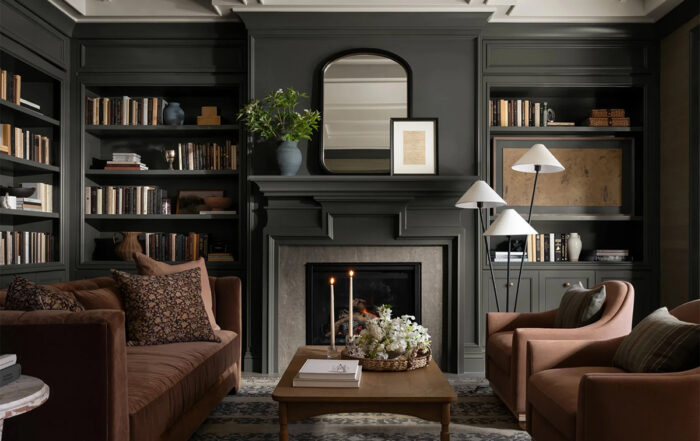
Dark & Moody Interior Design Ideas
Dark hues have long been associated with elegance and the ability to create a cozy ambiance. In this article, we will explore the transformative power of deep colors and show you how to elevate your space.
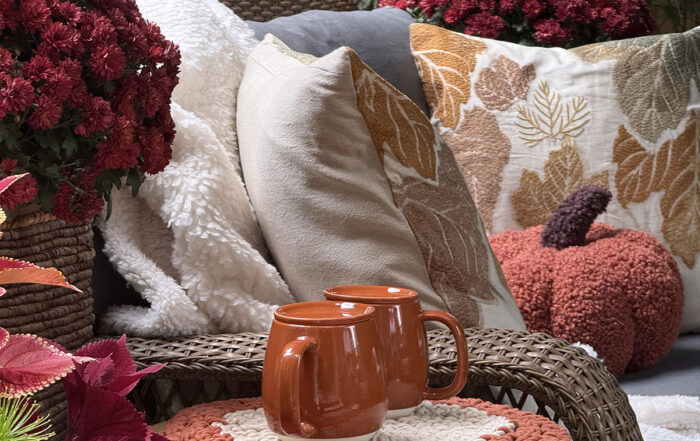
Fall Aesthetic
Fall aesthetic ideas covering autumn color palettes, home decor, tablescapes, floral arrangements, and outdoor spaces — with personal design tips throughout.

Decorating with Brown
Warm, earthy browns are staging a comeback, and with good reason. Brown is a remarkably versatile color that infuses a space with sophistication and a sense of comfort while adding approachable elegance and a timeless appeal to any room.

Decorating With Tree Branches
In today's modern world, where sleek and minimalist designs dominate, adding a touch of nature to your home can be a breath of fresh air. And what better way to do that than by incorporating the beauty and versatility of decorating with tree branches?

Winter Decorating Ideas
From fluffy blankets and plush pillows to flickering candles and seasonal wreaths, these simple yet effective touches will create a welcoming ambiance that invites you to relax and unwind.

