

Coffee Bar Ideas: Designs for Every Style and Space
By Interior Designer, TRACY SVENDSEN | Published December 13, 2023 | Updated July 02, 2026 |
A dedicated coffee bar does something a regular coffee maker on the counter doesn’t — it turns the daily ritual of making coffee into something you actually look forward to. Whether that means a fully built-in station with custom cabinetry and a professional espresso machine, or a well-styled tray on an existing countertop with beautiful mugs and a quality grinder, the principle is the same: a designated space makes the experience better.
The feature image above is my own home coffee bar, located at the transition point between our kitchen and living room — a placement decision that came directly from how our family actually uses the space. When all four of our adult children are home (all avid coffee drinkers), having the station here keeps kitchen traffic flowing cleanly while giving direct access to the living room. It’s a simple positioning decision that makes a significant practical difference.
The setup itself is straightforward — a DeLonghi espresso machine, a tea kettle, ceramic mugs in earth tones, and a syrup dispenser. Nothing elaborate, but everything considered. It’s a good example of how a well-placed, well-chosen coffee station doesn’t require custom cabinetry or a dedicated room to feel like a genuine design feature.
As an interior designer, I find coffee bars one of the most personally expressive projects in a kitchen — they’re small enough to experiment with but visible enough to matter. The 31 ideas below cover the full range of approaches, from minimalist floating shelves and DIY cabinet transformations to built-in stations with stone backdrops and custom cabinetry. Whether you have a dedicated nook or just a corner of counter space, there’s a direction here that will work for your kitchen.
Key Takeaways: Coffee Bar Ideas
- A dedicated coffee bar transforms the daily ritual of making coffee — whether that’s a fully built-in station with custom cabinetry or a well-styled tray on an existing counter with beautiful mugs and a quality grinder.
- Location matters as much as design — being close to a water source, near a power outlet, and positioned away from the main kitchen workflow makes a coffee bar genuinely functional rather than simply decorative.
- Backsplash and lighting do more to make a coffee bar feel designed than almost any other element — tile, wood paneling, or a strong pendant light transform a functional counter into a genuine design feature.
- A coffee bar can suit any kitchen style — from minimalist Scandinavian and industrial chic to rustic farmhouse and bold jewel-toned built-ins, the design language of the station should connect directly to the surrounding kitchen.
- The personal details matter most — the mugs you choose, the artwork above the station, the syrup bottles on the tray, and the machine itself are what make a coffee bar feel genuinely yours rather than simply organized.

Home Coffee Bar in the Corner of a Kitchen with Wood Open Shelving
Image courtesy of Architectural Digest
The Rise of Home Coffee Bars
Home coffee bars have grown from a niche luxury into something genuinely mainstream — and it’s not hard to understand why. The quality of home espresso machines has improved dramatically over the last decade, specialty coffee culture has made people more particular about what they’re drinking, and the shift toward spending more time at home has made the daily coffee ritual worth investing in properly.
What I find most interesting about this trend from a design perspective is how much personality a coffee bar reveals. The machine someone chooses, the mugs they display, the way they organize their beans and accessories — it’s one of the few functional areas of a kitchen that’s entirely personal. When done well, a home coffee bar doesn’t just serve coffee; it becomes one of the most-used and most-enjoyed corners of the home.


A Home Coffee Bar with Open Shelving in a Navy Blue Built-In Cabinet
Image courtesy of Jean Stoffer
1. What Every Good Coffee Bar Needs
Before thinking about aesthetics, it’s worth getting the essentials right — the equipment and tools that make a coffee bar genuinely functional rather than just decorative.
Espresso Machine or Coffee Maker
The anchor of the whole setup. Whether you prefer the precision of a manual espresso machine, the convenience of a capsule system, or the ritual of a pour-over, choose a machine that suits how you actually drink coffee rather than what looks best on the counter — though ideally it will be both.
Coffee Grinder
Freshly ground beans make a more significant difference to flavor than almost any other variable. A burr grinder with adjustable settings covers everything from espresso to French press and is worth the investment if coffee quality matters to you.
Coffee Beans
Whole beans ground fresh for each brew will always outperform pre-ground. Exploring different origins and roast levels is part of what makes a home coffee bar genuinely enjoyable rather than simply convenient.
Mugs and Accessories
Choose mugs that you actually want to reach for every morning — functional and personal rather than purely decorative. Beyond mugs, a milk frother, tamper, knock box, and small scale for precision brewing round out a well-equipped station.

Home Coffee Bar Built into Kitchen Cabinets
Image courtesy of Banner Days Design
2. Matching Your Coffee Bar to Your Kitchen Style
The most successful coffee bars feel like a natural extension of the kitchen rather than something added afterward — which means the design style, materials, and finishes should connect directly to what’s already in the room. A coffee bar that coordinates with your existing cabinetry, hardware, and color palette will always read as intentional rather than incidental.
This transitional kitchen by Yorkville Design Center shows the principle well. Charcoal gray shaker cabinets form the kitchen’s foundation, and the coffee bar above the lower cabinets picks up the same palette while introducing warm wood open shelving on the interior walls, back, and sides — creating a material contrast that defines the coffee station as a distinct zone within the larger kitchen.
Glassware and mugs displayed on the shelves above the coffee machine add the personal, collected quality that makes a coffee bar feel genuinely used rather than styled. Pull-out doors that close flush with the surrounding cabinetry offer a completely seamless look when the station isn’t in use — one of the more practical design details to consider when planning a built-in coffee bar.

A Modern Built-In Home Coffee Bar with Gray Cabinets and Wood Inlay
Image courtesy of Yorkville Design Center
3. Minimalist and Modern
A minimalist coffee bar works on restraint — fewer items on display, a neutral or monochromatic palette, and equipment chosen as much for its visual quality as its function. A floating shelf or a simple console table is often enough to anchor the station without requiring any cabinetry at all, which makes this approach particularly well-suited to kitchens where a full built-in isn’t practical.
This corner coffee bar station by Jean Stoffer shows how much personality a minimalist approach can carry when the details are well chosen. A navy blue fluted built-in cabinet with gold open shelving and matching hardware creates an elegant, jewel-box quality — the fluted detail adds texture without pattern, and the gold against the navy reads as refined rather than decorative. The color palette is bold, but the approach is still fundamentally restrained — one strong color, one metallic accent, clean lines throughout. It’s a good example of how minimalism doesn’t have to mean neutral.

A Contemporary Home Coffee Bar with a Fluted Black Base and Brass Open Shelving Above
Image courtesy of Jean Stoffer Design
4. Rustic Character in a Coffee Bar
A rustic coffee bar leans into natural materials, aged finishes, and a collected, personal quality that makes a space feel genuinely lived-in. A wooden countertop, a vintage-inspired cabinet, and a mix of handcrafted accessories do most of the work — no styling tricks needed when the materials themselves have real character.
This freestanding rustic cabinet shows the approach at its most authentic. Dark weathered wood gives the piece immediate character and age, while open shelving above the main surface provides a dedicated display area for the daily ritual — an espresso machine on the top ledge, a glass jar of coffee beans for visual warmth, farm-style canisters for coffee, sugar, and cream, and a coffee grinder that earns its place as both a functional tool and a design object. A shelf with hooks above keeps mugs within easy reach while adding to the gathered, personal quality of the display. The whole setup reads as something assembled over time rather than purchased as a set — which is exactly what gives a rustic coffee bar its character.

Rustic Home Coffee With a Weathered Wood Finish
Image courtesy of Walmart
5. Industrial Chic
Industrial-style coffee bars draw from the same design vocabulary as urban loft interiors — exposed materials, raw finishes, metal accents, and a preference for equipment that looks as purposeful as it performs. The aesthetic suits serious coffee setups well, since high-end brewing equipment has an industrial quality that fits naturally in this direction.
This freestanding wood cabinet makes a strong case for the style. Black-trimmed doors and matching black trim on the open wood shelving create a graphic, high-contrast framework, while the deep, rich wood tones of the cabinet interior and shelving back add warmth that prevents the black from feeling cold. The top of the cabinet is dedicated to serious brewing — a high-end espresso machine and grinder sit alongside a collection of equipment for an experienced brewer, the kind of setup where every piece has a specific purpose. Nothing here is purely decorative — the industrial aesthetic works precisely because form and function are treated as the same thing rather than competing priorities.

Rustic Industrial Home Coffee Bar Ideas | Zach Johnston Design
Coffee product image courtesy of Niche Coffee
6. Farmhouse Charm
A farmhouse coffee bar leans into the same principles as farmhouse design broadly — natural materials, vintage-inspired details, and a relaxed, unpretentious quality that makes the space feel genuinely domestic rather than designed. Rustic furniture with distressed finishes, mason jars, chalkboard signs, and galvanized metal accents all reinforce the aesthetic without requiring anything elaborate.
This freestanding cabinet captures the farmhouse spirit with a detail I particularly like — a striped fabric skirt fastened beneath the top drawers, which adds softness and a distinctly country quality that painted or stained wood alone wouldn’t achieve. A coffee machine and accessories sit on the countertop surface alongside a small table lamp, whose warm light makes the station feel like a welcoming corner rather than a functional zone. A brass rail with hooks above keeps coffee cups within easy reach, and two open shelves above provide space for country-style decor that connects the coffee bar to the farmhouse aesthetic of the surrounding kitchen. The lamp is worth noting as a specific recommendation — a small light source at a coffee bar changes the atmosphere of the whole corner, particularly in the early morning.

Farmhouse Home Coffee Bar Ideas
Image courtesy of Most Lovely Things Blog
7. Scandinavian Simplicity
Scandinavian design translates naturally to a coffee bar — the principles of minimalism, functionality, and restraint align well with a space that’s fundamentally about one daily ritual done well. Light and airy colors, natural wood, and a clutter-free approach create a coffee station that feels calm rather than busy, which is exactly the right atmosphere for the start of a day.
These two setups show the Scandinavian approach in its most pared-back form — wood shelving in warm natural tones, gray and blue color palettes, and black-and-white accessories that provide just enough contrast to keep the display from feeling flat. Nothing competes for attention, and that restraint is the point. The black-and-white mugs and accessories do the visual work that pattern or color would in a more maximalist style, giving the eye enough interest without disrupting the overall calm. For anyone whose kitchen already leans Scandinavian or modern, this approach integrates a coffee bar without requiring any departure from the existing design language.

Scandinavian Home Coffee Bar Ideas
Image courtesy of Crate & Barrel
8. Dark Olive Green and Brass – A Signature Coffee Station
A coffee bar with a strong color and material identity becomes one of the most distinctive features in a kitchen — and these two stations by Jean Stoffer show exactly how that works in practice. Olive green is one of my favorite colors in interior design, and this pairing with black countertops, vertical shiplap in the same green tone, and brass hardware is a particularly strong example of why — the combination has depth and warmth that most neutral kitchens simply can’t replicate.
The first station features a brass rail with hooks holding white coffee mugs directly above the coffee machine and supplies below — a practical, visually clean arrangement that keeps everything within reach while adding the warm metallic note that defines the palette.
The second takes a slightly different approach, with the coffee machine sitting on the countertop beneath open wood shelving holding white mugs, wine glasses, and syrups — the wood shelving introduces a natural material contrast that softens the darker cabinet tones. Light wood flooring in both spaces ties the green-and-brass palette back to something warm and grounded. Together, these two stations show how a consistent color story can make a coffee bar feel like a genuinely designed feature rather than a functional afterthought.


Create a Coffee Bar in a Nook
Image courtesy of Jean Stoffer Design
9. The Dining Room Coffee Bar
Positioning a coffee bar in or adjacent to the dining room is one of the more practical location decisions available — it keeps coffee service close to where people actually gather for meals, eliminates the need to return to the kitchen during and after dining, and gives the coffee station its own dedicated wall rather than competing for counter space in a busy kitchen.
This dining room shows the concept executed with real design confidence. The coffee bar sits above base cabinets along one wall, with open shelving backed by glossy white subway tile and flanked on either side by fluted glass cabinets — the fluted glass adds texture and a slight Art Deco quality that lifts the whole wall. Two black wall sconces above provide focused task lighting at the station while reinforcing the high-contrast palette of dark wood flooring, white cabinetry, and black accents that runs throughout the space.
A light wood round dining table with curved-back wood chairs and woven rattan seats sits opposite, softening the contrast with the warmth of natural materials. Leafy branches and wood bowls complete the natural element layer — a reminder that even a high-contrast, graphic interior benefits from something organic to keep it from feeling too formal.


Choose the Perfect Location for a Coffee Bar
Image courtesy of Crazy-Wonderful
10. Making the Most of Vertical Space
In a kitchen where counter space is limited, building upward is the most effective way to create a coffee station without sacrificing work surface. Wall-mounted or floating shelves above the coffee machine keep equipment, mugs, and accessories within reach while freeing the countertop for the actual brewing process — and a tiered tray on the counter corrals smaller items like syrups and spoons without spreading them across the surface.
This kitchen corner shows the approach working naturally within the existing architecture. Open wood shelving runs from the corner to the window, using what would otherwise be dead wall space to create a functional display — mugs, coffee and honey canisters, and a plant fill the shelves with a mix of the practical and the personal. The coffee machine, grinder, and syrups sit below, keeping the actual brewing equipment at countertop level where it’s most accessible. The plant is worth noting specifically — a small amount of greenery on a coffee bar shelf adds life and color without requiring any design commitment, and it works in virtually every style from rustic to minimalist.

Maximize Vertical Space Above Coffee Stations
Image courtesy of Lauren Neal
11. A Dedicated Nook for the Coffee Station
small gap between upper cabinets is one of the most natural locations for a coffee station — it creates a defined zone without requiring any structural changes, and the surrounding cabinetry provides built-in storage on either side. The key is treating the space as a design feature rather than simply filling it with equipment.
This white kitchen example does exactly that. Light oak open shelving with brass bars attaching it to a textured, glossy neutral tile backdrop turns what could have been a generic gap between cabinets into a genuinely considered design moment.
Two brass-and-glass wall sconces above provide warm task lighting at the station — a detail that elevates the area from functional to atmospheric. Artwork displayed on the tiles adds a personal, unexpected touch that makes the coffee station feel curated rather than simply organized. The coffee machine sits below the shelving at countertop level, with a wine fridge tucked beneath — a practical pairing that keeps both daily rituals in one well-designed corner. For smaller kitchens especially, this kind of intentional treatment is worth the effort — it makes a compact space feel purposeful rather than limited.

Coffee Bar Ideas in Small Spaces
Image courtesy of Becca Interiors
12. Making the Coffee Bar Personal
The details that make a coffee bar feel genuinely personal are rarely the equipment — they’re the artwork chosen for the wall above, the specific mugs displayed, the flowers picked up at the market, the syrup bottles that reflect how you actually drink your coffee. These small decisions are what separate a functional coffee station from one that feels like it belongs specifically to the person who uses it every day.
This corner setup is a strong example of personality expressed through restraint. A peach and white striped freestanding cabinet introduces softness and femininity without committing to a single bold color, while black coffee mugs and black-framed contemporary artwork provide the contrast that keeps the palette from feeling too sweet. Glass and brass syrup containers on the counter add a refined, considered quality alongside the espresso machine, and a vase of peach-toned roses picks up the warm peachy tone of the cabinet stripes, connecting the color story between the furniture and the fresh flowers. Two contemporary art pieces above the station complete the picture — the artwork is the clearest signal of personal taste in the whole setup, which is exactly the right instinct. A coffee bar with art above it reads as a designed space; one without reads as functional.


Add Personal Touches
Image courtesy of A Fabulous Fete
13. Transforming an Existing Cabinet into a Coffee Bar
One of the most cost-effective approaches for a coffee bar is repurposing what’s already in the kitchen — a built-in desk, an unused cabinet, or an underutilized corner of cabinetry can become a dedicated coffee station with relatively modest changes. Lauren and Kameron of LKS Address did exactly this, transforming a white kitchen desk into a DIY custom walnut coffee bar that reads as a genuinely designed feature rather than a repurposed piece.
The result shows how much a material change can accomplish. White cabinetry and a white quartz countertop provide the clean foundation, while warm wood lining on the back of the shelves and open wood shelving with brass brackets introduce the material warmth that makes the station feel intentional. Glass and brass canisters and vases reinforce the palette — warm wood, white, black, glass, and brass — which is cohesive enough to feel designed without being rigid.
A brass wall sconce above provides focused task lighting, and a coffee machine, two stacked books, and a plant in a brass vase on the countertop add the personal, lived-in layer that completes the transformation. The books in particular are a small but effective detail — they signal that this corner is genuinely used and enjoyed rather than purely functional.


Customize a Cabinet
Image courtesy of LKS Address
14. Pairing a Coffee Station with a Second Sink
Adding a secondary sink alongside a coffee station is one of the more practical upgrades available in a kitchen with the space for it — it keeps water access dedicated to the coffee area rather than sharing the main kitchen sink, which makes the morning routine genuinely more efficient. The combination of a small prep sink and a coffee machine in a single well-designed zone creates a self-contained station that operates independently of the rest of the kitchen.
This example handles the pairing with real material sophistication. A small side cabinet with a vertical light wood slat base and black marble countertop sets a high-contrast, refined tone — brass faucets and a black sink reinforce the palette while adding warmth through the metallic detail. The coffee machine sits beside the sink at countertop level, with open wood shelving above against a white textured tile backsplash providing display and storage.
Rich earth-tone pottery, artwork, and stoneware on the shelves add the personal, collected quality that makes a functional station feel genuinely designed. The vertical wood slat base is the detail worth noting specifically — it adds texture and warmth at the lower level that the black marble and white tile alone wouldn’t provide.

Floating Shelves Home Coffee Station
Image courtesy of House Beautiful
15. Hiding a Coffee Station Behind Cabinet Doors
A coffee bar concealed behind cabinet doors is one of the most seamless solutions available — when the doors are closed, the station disappears completely into the surrounding cabinetry, maintaining a clean, uncluttered kitchen aesthetic. When open, it reveals a fully equipped station ready to use. For anyone who prefers a minimal visual footprint in their kitchen, this approach offers the best of both.
This large kitchen beautifully demonstrates the concept with a two-tone white-and-wood cabinet design. Two white cabinet doors open to reveal open wood shelving with a warm wood backdrop that matches the wood cabinetry running throughout the rest of the kitchen — so the interior of the coffee station feels intentionally connected to the overall design rather than hidden away as an afterthought. When the doors are closed, the station reads as nothing more than a pair of standard cabinet doors. When open, it becomes a dedicated, well-organized space for coffee equipment and supplies. The material continuity between the cabinet interior and the surrounding kitchen is what makes this work — it signals that the concealed station was planned from the beginning rather than retrofitted afterward.

Large Home Coffee Bar in Kitchen Cabinets | Humphrey Munson Design
Image courtesy of Interior Style Hunter
16. A Sage Green Coffee and Pantry Cabinet
A dedicated cabinet that combines a coffee bar, pantry storage, and a small prep sink in a single unit is one of the most efficient uses of kitchen space available — everything needed for the morning routine in a single, self-contained zone that doesn’t interfere with the main kitchen workflow.
This sage green cabinet is a particularly well-executed example. Two lower cabinets with brass hardware anchor the base, topped with black quartz and a small round sink with a brass faucet — the sink-and-quartz combination adds a level of refinement that lifts what could have been a purely utilitarian piece into something genuinely designed. White vertical shiplap behind the open shelving adds texture and a farmhouse quality that suits the sage green perfectly, while the open shelving itself holds coffee, sugar, and tea canisters, farmhouse pottery, a single-serve coffee machine, cookbooks, and a cutting board — organized by use rather than appearance, which is exactly the right approach for a hardworking station like this.
Two sage-green cabinet doors with built-in shelving for mugs and supplies keep personal items contained while maintaining the clean exterior profile. Sage green is one of those colors that works across farmhouse, transitional, and even more contemporary kitchens — and paired with brass and black quartz here, it reads as sophisticated rather than purely country.

How to Organize a Coffee Bar
Image courtesy of Kate Marker Interiors
17. Styling Syrups and Accessories
The small details on a coffee bar surface — syrups, canisters, spoons, sugar — are where organization and styling overlap most directly. Corralling these items on a tray, decanting them into matching containers, and clearly labeling them keeps the station functional without making it feel cluttered. Chalkboard or adhesive labels on containers and drawers make finding what you need immediate, which matters most at the start of a day when you’re not fully awake yet.
This close-up shows the approach at its simplest and most effective. A black wood cutting board acts as a tray, grounding a white mug and two syrup bottles with handwritten labels — pumpkin spice and sugar-free hazelnut — in a clean, contained vignette. The cutting board is worth noting as a practical alternative to a traditional tray: it’s flat, stable, easy to wipe clean, and adds a natural material warmth that a metal or acrylic tray wouldn’t. Two syrups, one mug, one surface — nothing unnecessary. It’s a good reminder that a well-styled coffee bar doesn’t require abundance, just intention.

Display Syrups in Refillable Bottles
Image courtesy of Bella and Mar
18. Combining a Coffee Bar with a Home Bar
A coffee bar and a home bar share enough functional overlap — glassware, accessories, a desire for a dedicated display space — that combining them into one well-designed unit makes genuine sense. The transition from morning coffee to evening cocktails happens in the same zone, which is both practical and a strong design statement when executed well.
This example is genuinely luxurious in its execution. A fluted dark wood island base with a silver metallic countertop anchors the space, paired with dark green leather counter stools that bring a sophisticated, club-like quality. The cabinet behind is black-framed with metallic brass mesh panel inserts — a detail that’s both functional (allowing visibility into the cabinet) and decorative, adding texture and warmth to what would otherwise be a flat black surface.
Glossy black open shelving against dark wallpaper in black and gray holds the coffee machine alongside brass barware and wine glasses — the combination of coffee and bar equipment feels deliberate rather than crowded. Two white geometric pendants with brass trim provide the lighting, connecting the brass thread running through the mesh panels and barware into a cohesive metallic story throughout the space.

Stylish Home Coffee Bar
Image courtesy of House Beautiful
19. A Custom Arched Coffee Bar as a Design Feature
When a coffee bar is custom-designed and built rather than adapted from existing cabinetry, it can become one of the most distinctive architectural features in the kitchen. The investment in a truly bespoke approach shows most clearly in the details — and this example by Banner Days Design demonstrates exactly what’s possible when those details are considered from the beginning.
Soft blue kitchen cabinets with brass hardware set the palette, and the coffee bar built into the upper cabinet run is the feature that makes the whole kitchen memorable. Two upper cabinets have arched openings cut directly into them, framed in warm wood that creates a striking contrast against the blue-painted surround. Glass doors behind the arches allow a view through to the coffee machine and mugs, even when closed — the arch frames the contents like a display rather than simply concealing storage. The warm wood framing connects to the kitchen’s broader material palette while giving the coffee station a visual weight and intentionality that standard cabinetry simply cannot achieve. It’s the kind of detail that makes a kitchen genuinely worth looking at — architectural rather than merely decorative.

Unique Coffee Bar in Kitchen Cabinets
Image courtesy of Banner Days Design
20. Built-In Cabinetry as a Dining Room Coffee Station
Built-in cabinetry in a dining room creates an opportunity to incorporate a coffee station directly into the room’s architecture — making it a permanent, considered feature rather than a movable piece of furniture. When the coffee bar is flanked by glass-front display cabinets on either side, it becomes part of a larger wall composition that serves both storage and aesthetic purposes simultaneously.
This large dining room shows the approach at its most refined. Pale blue-green built-in cabinetry runs the length of one wall, with a designated coffee station at the center — a countertop for the coffee machine and mugs below, and open shelving above for display and access. Two glass-front cabinets flank the central station, holding dishes that connect the coffee area to the room’s dining function. The pale blue-green is a sophisticated color choice for built-ins — soft enough to read as a neutral from a distance, distinctive enough to give the room genuine character up close. Having the coffee station centrally located between the flanking cabinets gives it architectural prominence without competing with the rest of the room’s design for attention.

Coffee Bar in the Dining Room
Image courtesy of Jean Stoffer Design
21. A Coffee Bar With a Seating Area
Adding seating in front of or alongside a coffee bar transforms it from a purely functional station into a genuine destination — a place to linger with a cup rather than simply grab and go. Whether it’s a pair of counter stools, a small upholstered bench, or a full seating arrangement in an adjacent sunroom, the addition of comfortable seating changes how the space gets used.
This coffee station and dry bar combination, painted in Benjamin Moore Intrigue — a soft, sophisticated blue — shows how a well-designed coffee bar can anchor an entire seating area. Honey bronze hardware and a black quartz countertop and backsplash create a refined, high-contrast palette that feels considered rather than casual.
A wall-mounted television and potted plants for color complete the station itself, while the adjoining sunroom seating area extends the space into something genuinely livable — custom Lee slipcovers, a neutral area rug, custom window treatments, and large windows allowing plenty of natural light create the kind of comfortable, personal environment that makes a coffee bar worth sitting beside. White oak flooring runs throughout, connecting the coffee station to the seating area as a single cohesive space rather than two separate zones.


Coffee Bar with a Cozy Seating Area
Image courtesy of Jean Stoffer Design
22. How Lighting Transforms a Coffee Bar
Lighting does more for a coffee bar than most people expect — the right fixture shifts a functional counter into something that feels genuinely designed. A combination of pendant lights, under-cabinet lighting, and wall sconces creates the layered illumination that makes a coffee station feel atmospheric rather than simply well-lit.
The first image shows a small station in a nook with geometric neutral wallpaper, white walls and cabinets, and a black quartz countertop with brass hardware. A single brass-and-glass contemporary pendant light above does the work of a much more elaborate setup — its scale is generous enough to make a statement in the compact space, and the warm brass tone connects directly to the hardware below, creating a cohesive material thread throughout the station.
The second takes a different approach — a corner charcoal-gray cabinet with black quartz countertops and white vertical-paneled walls, with two modern brass pendants hanging above a gray floating shelf. The pair of pendants, rather than a single fixture, suits the wider footprint of the corner cabinet, and the brass again echoes the cabinet hardware below. Both examples confirm the same principle: a well-chosen pendant light is the single most impactful lighting decision for a coffee bar, and matching its finish to the hardware elsewhere in the station creates an effortlessly cohesive result.


Lighting a Coffee Bar
Image courtesy of Jean Stoffer Design
23. Gallery Walls and Artwork Above a Coffee Station
The wall above a coffee bar is prime real estate — it’s at eye level, well-lit, and directly in the sightline of anyone using the station. Treating it as a display opportunity rather than leaving it blank transforms the coffee area from a functional zone into a genuine design feature. A gallery wall of prints, a single statement piece, or a combination of art and functional display all work well depending on the style of the kitchen.
This farmhouse kitchen coffee station layers multiple display elements with real confidence. White vertical paneled walls and white cabinetry below provide a clean foundation, while a brass rail with hooks above the countertop holds mugs, coffee towels, pot holders, and baskets — keeping the most-used items within immediate reach while adding visual warmth through the brass and natural textures.
A long wood shelf above that holds plants, baskets, mugs, and vases creates a second display tier, and a gallery wall of earth-tone prints above the shelf completes the vertical arrangement. The result reads from bottom to top — countertop, brass rail, wood shelf, art — as a single composed wall rather than a collection of separate elements. The earth tone prints are the detail that ties the whole station to the broader farmhouse palette of the kitchen, which is exactly the role art should play in a well-designed coffee bar.


Coffee Bar Wall Art
Image courtesy of Home in Bloom
24. The Kitchen Pantry Coffee Station
A kitchen pantry is one of the most natural locations for a coffee bar — it keeps equipment and supplies contained in a dedicated storage space rather than occupying prime kitchen counter real estate, and the pantry’s existing shelving and cabinetry provide the organizational framework the station needs without requiring any additional built-ins.
This pantry coffee station shows how well the concept works when the materials are carefully considered. Light wood cabinetry throughout creates a warm, cohesive backdrop, with wood paneling on the backsplash and behind the open shelving adding texture and depth that painted walls wouldn’t provide.
The station sits beside a small sink — the same practical pairing we saw in Section 14 — with a combination of closed cabinets below for concealed storage, open shelving for display and easy access, and glass-front cabinets that keep frequently used items visible without fully exposing them. The wood paneling detail is worth noting specifically: used as a backsplash in a pantry, it visually defines the coffee station zone within a larger storage space, giving it its own identity without requiring any structural separation.


Coffee Station in a Pantry
Image courtesy of Jean Stoffer Design
25. Zellige Tiles as a Backdrop
Zellige tile — handmade Moroccan clay tile with an irregular, glossy surface — has become one of the most sought-after backsplash materials in kitchen design, and a coffee bar is one of the best places to use it. The tile’s tonal variation and reflective quality create a backdrop with genuine visual depth, making even a compact station feel like a considered design feature.
This kitchen by Marie Flanigan shows the material at its most effective. Light wood cabinetry runs throughout, with a dedicated coffee bar section that opens to reveal closed shelving below and open shelving above — cabinet doors providing the option of a completely seamless exterior when the station isn’t in use. Earth-toned zellige tiles cover the backsplash in a glossy, tonal arrangement that creates a dramatic contrast against the white dishes, mugs, and the coffee machine sitting in front of them.
Wicker baskets on the shelves add a natural texture that connects the warmth of the tile to the light wood cabinetry surrounding it, while providing concealed storage within the open shelving arrangement. The tile is doing most of the design work here — proof that a strong backsplash material can transform a relatively simple coffee station into something genuinely memorable.

Coffee Bar in a Cabinet
Image courtesy of Marie Flanigan Interiors
27. Building a Coffee Bar Into an Architectural Arch
An existing archway is one of the most compelling locations for a coffee bar — the curved architectural frame naturally defines the station without requiring additional design work, and the arch itself becomes part of the coffee bar’s visual identity. Both of these examples use the arch differently but arrive at the same result: a coffee station that reads as a genuinely architectural feature rather than a piece of furniture.
The first builds medium-toned wood base cabinets with a white countertop into an arch the same width as the opening, with neutral hexagon tile on the backsplash and two long and two short rows of open wood shelving built directly into the curve above. The shelving following the arch’s curve is the detail that makes this work — it treats the arch as the organizing principle of the whole station rather than simply a backdrop.
The second is more dramatic in material terms. Light oak cabinets with fluted drawer fronts and a bar fridge at the center sit beneath a countertop and backsplash in dramatically veined black marble — the marble’s movement against the pale oak creates an immediate tension that the brass hardware and two open wood shelves above resolve into something cohesive. The arch frames the whole composition, giving the dark marble a defined boundary that prevents it from overwhelming the surrounding space.

Incorporating an Arch
Images courtesy of Bels Home Styling & Burns Design Studio
28. Smart Storage in the Lower Cabinets
The countertop and open shelving above a coffee bar get most of the design attention, but the lower cabinets are where the real organizational work happens. Pull-out drawers, rather than standard shelves, make a significant practical difference — everything becomes immediately visible and accessible, rather than stacked behind a cabinet door, which is exactly what you want in a space used multiple times daily.
This coffee bar by Heather Bullard shows the lower cabinet organization at its most considered. Pull-out drawers sit open to reveal a remarkably well-organized interior — mugs, coffee beans, coffee equipment, and tea bags each in their own designated space, arranged with the kind of intentionality that makes the morning routine genuinely efficient.
The pull-out drawer format is the key detail here: it eliminates the need to reach to the back of a deep cabinet, keeps everything visible at a glance, and maintains the organization over time in a way that open shelves or standard cabinet shelves rarely do. Open shelving above the countertop handles the display function, while the lower drawers handle storage — a clean division that keeps the visual and practical sides of the coffee bar working independently without competing.


Using Lower Drawers
Image courtesy of Heather Bullard
29. Baby Blue and Natural Wood in an Arch
Soft, nature-inspired color paired with natural wood and organic textures is one of the most appealing directions in current kitchen design — and this arched coffee bar by Erin Sander shows exactly why. The baby blue base cabinet brings a refreshing, unexpected color note that reads as calm rather than bold, sitting comfortably alongside the light oak flooring and the textured white tile backdrop.
The arch frames the station with two open wood shelves near the top of the curve and two shorter shelves to the left running roughly a third of the arch’s width — an asymmetric arrangement that feels organic rather than rigidly symmetrical. A white-and-gray tonal quartz countertop grounds the palette between the blue cabinet below and the textured white tile above, while stone pottery and leafy branches in a pot introduce a natural, earthy quality that connects the whole composition to something living rather than purely designed.
A coffee machine and grinder sit on the countertop with enough breathing room around them to feel considered rather than crowded. The overall effect is simple but rich in texture — proof that a restrained color palette with varied surface qualities can be as visually interesting as a more elaborate design approach.

Pale Blue Coffee Bar
Image courtesy of Erin Sander Design
30. Making the Most of the Counter’s End
The end of a kitchen counter is one of the most overlooked coffee bar locations — it’s naturally defined by the architecture, doesn’t interrupt the main work surface, and often sits near a window or transition point that gives it its own visual context within the kitchen. With the right shelving and lighting, it becomes one of the most characterful corners in the room.
This kitchen by Carly Jo Interiors uses the counter end beside a servery window opening to an outdoor patio — a particularly well-chosen location that connects the indoor coffee station to the outdoor space beyond. White cabinets and walls with black-framed windows establish the high-contrast palette, which the coffee bar continues and amplifies. Matte black shelves with brass framing attachments add a refined industrial quality, and the brass is carried through consistently into the lighting fixtures and hardware — creating a cohesive metallic thread throughout the station.
Narrow shelves hold black coffee mugs, artwork, and decor without overwhelming the wall space, while two bottles of coffee syrup sit casually by the window. The coffee machine on the countertop below completes a setup that demonstrates exactly how much vertical space can accomplish in a compact footprint — the shelving extends the station upward rather than outward, keeping the counter end feeling open while maximizing display and storage.


Black & Gold Coffee Bar
Image courtesy of Erin Sander Design
31. A Neutral Farmhouse Coffee Station
A neutral palette is the most forgiving foundation for a coffee bar — it integrates naturally with almost any kitchen style, lets the equipment and accessories become the visual focus, and ages well without feeling trend-dependent. In a farmhouse kitchen especially, warm whites, natural wood, and soft neutrals create exactly the kind of understated, lived-in quality the style depends on.
This kitchen by West of Main places the coffee station centrally between the kitchen and dining area — a location that serves both spaces simultaneously without belonging exclusively to either. White cabinetry and warm wood flooring establish the palette, with open wood shelving providing the display surface for coffee equipment and accessories.
The central positioning is worth noting as a practical recommendation: a coffee bar located between the kitchen and dining room eliminates the need to return to the kitchen during meals, keeps the morning routine from disrupting food preparation areas, and gives the station a natural architectural context within the open-plan layout. The neutral palette throughout means the station reads as part of the kitchen’s overall design rather than a designated zone within it — which is often the most elegant solution of all.

Neutral Coffee Station
Image courtesy of West of Main Design
Creating Your Home Coffee Bar
A dedicated coffee bar changes the daily ritual of making coffee in a way that’s hard to appreciate until you have one — whether that’s a fully built-in station with custom cabinetry or a well-styled tray on an existing counter with beautiful mugs and a quality grinder. The ideas in this guide cover the full range of approaches, styles, and budgets, with something for every kitchen. For more kitchen inspiration, explore my Kitchen Design Ideas collection.
Frequently Asked Questions About Coffee Bar Ideas
What should a coffee bar include?
A well-equipped coffee bar starts with the right machine — whether that’s a manual espresso machine, a capsule system, or a pour-over setup depends entirely on how you drink coffee. Beyond the machine, a quality burr grinder for freshly ground beans makes a significant difference to flavor. Mugs you actually want to reach for every morning, a small tray or cutting board to corral syrups and accessories, and a milk frother if you drink lattes or cappuccinos round out the essentials. Storage for coffee beans, filters, and supplies — whether in canisters, pull-out drawers, or closed cabinets — keeps the station functional rather than cluttered. The best coffee bars are the ones where everything needed is within reach and nothing unnecessary is on display.
How do I set up a coffee bar in my kitchen?
Start by identifying the right location — ideally close to a water source, near a power outlet, and positioned so it doesn’t interrupt the main kitchen workflow. A corner of counter, the end of a run of cabinets, a pantry wall, or a built-in niche between upper cabinets are all strong options depending on your kitchen layout. Once the location is chosen, think in layers: the machine and grinder at counter level, mugs and frequently used items on open shelving above, and supplies and extras in closed storage below. A backsplash treatment — tile, wood paneling, or wallpaper — defines the station visually within the larger kitchen. Lighting above the station, whether a pendant, sconce, or under-cabinet strip, completes the setup and transforms a functional counter into something genuinely designed.
What are some DIY coffee bar ideas?
Some of the most characterful coffee bars start as something else entirely. A kitchen desk built into existing cabinetry can be transformed into a coffee station with new open shelving, a wood or stone countertop, and a backsplash treatment. A freestanding cabinet from Ikea or a vintage piece can be customized with new hardware, interior wood paneling, and open shelving above. A floating shelf installed above a counter area with hooks underneath for mugs is one of the simplest and most effective DIY approaches — it costs very little and can be done in an afternoon. The key with any DIY coffee bar is treating the backsplash and lighting as seriously as the storage — these two elements do more to make a station feel designed rather than improvised than anything else.
What are the best countertop materials for a coffee bar?
Quartz is the most practical choice for a coffee bar countertop — it’s non-porous, heat resistant, easy to clean, and available in every color and finish from pure white to dramatically veined black marble lookalikes. Honed or matte finishes hide everyday marks better than polished surfaces, which matters in a high-use area like a coffee station. Natural marble is beautiful but requires more maintenance and is vulnerable to staining from coffee and syrups. Butcher block adds warmth and a natural material quality that suits rustic and farmhouse coffee bars particularly well, though it needs sealing and occasional oiling. Black quartz has become one of the most popular choices specifically for coffee bars — the dark surface provides strong contrast against light cabinetry and doesn’t show coffee rings or water marks the way lighter surfaces can.
How do I choose the right espresso machine for a home coffee bar?
The right machine depends on how you actually drink coffee and how much involvement you want in the brewing process. A fully automatic or super-automatic machine does everything at the touch of a button — grinding, tamping, and brewing — which suits anyone who wants quality without the learning curve. A semi-automatic machine gives more control over the extraction process and produces excellent results with some practice, and is the choice of most serious home espresso enthusiasts. Capsule machines like Nespresso are the most convenient option and produce a consistently good result, though the ongoing cost of capsules adds up. For filter coffee rather than espresso, a pour-over setup or a quality drip machine paired with a good burr grinder produces exceptional results at a lower price point than an espresso machine. Consider the machine’s footprint alongside its function — a beautiful machine that dominates the counter isn’t always the right trade-off for a smaller station.
View Recent Posts
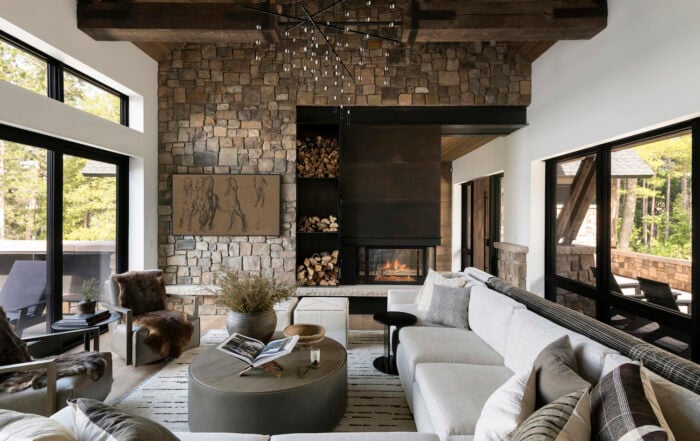
Modern Rustic Decorating Ideas
Transform your home into a warm, welcoming retreat with these modern rustic decorating ideas. Combining the best of both worlds, this design style effortlessly blends contemporary elements with the charm of rustic aesthetics.
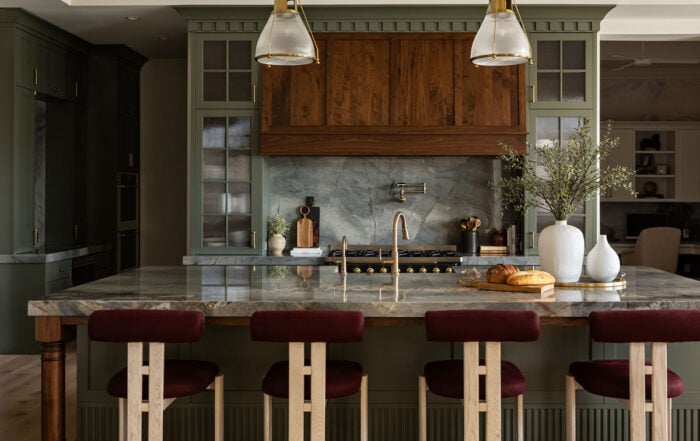
Stunning Range Hood Design Ideas
Range hood design ideas covering stone, wood, plaster, copper, and stainless steel — with designer tips on proportion, material selection, and installation.

Fireplace Design Ideas
45 fireplace design ideas, from ceiling-high stone and fluted plaster to wood paneling and black tile, with a designer’s tips on materials, scale and color.
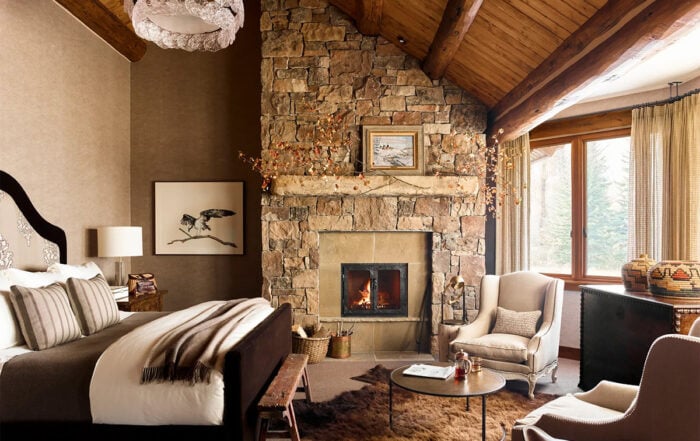
Rustic Bedroom Ideas
Rustic bedroom ideas covering natural materials, layered textiles, color palettes, and professional design strategies for log cabin, modern rustic, Scandinavian, and luxury retreat styles.
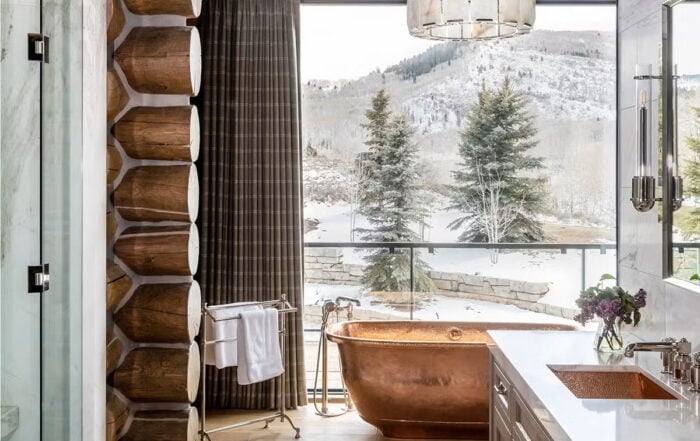
Rustic Bathroom Ideas
Rustic bathroom ideas — natural materials, vintage fixtures, earthy palettes, and designer tips for log homes, cabins, and mountain retreats.
Cream Kitchen Cabinet Ideas
Cream kitchen cabinet ideas curated by interior designer Tracy Svendsen. Warmer than white and more versatile than beige, cream cabinets work beautifully across farmhouse, rustic, traditional, and modern kitchens.

